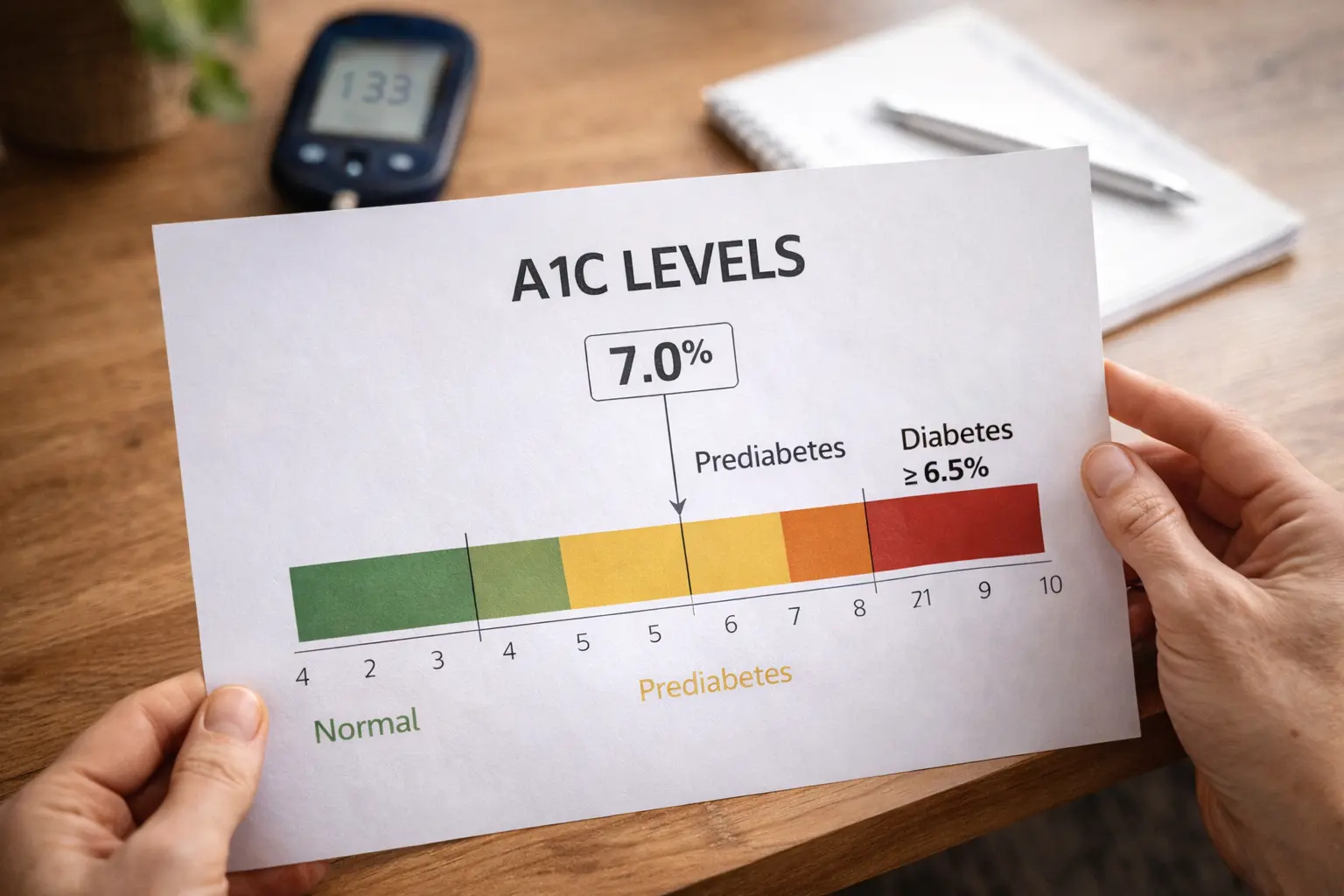
You’re tired of feeling like your blood sugar is a mystery, watching the numbers fluctuate without understanding what they actually mean or what you’re supposed to do about it, and you need someone to finally break down the a1c levels chart in plain English so you can actually take control.
What is A1C and why does it matter?
A1C, short for hemoglobin A1C, measures the percentage of your red blood cells coated with glucose over the past two to three months. Think of it as a long-term snapshot of your blood sugar patterns, unlike a daily finger-stick test that captures just one moment in time. When glucose enters your bloodstream, it attaches to hemoglobin, a protein in red blood cells. The more glucose present, the more hemoglobin gets coated. Since red blood cells live about three months, your A1C reflects your average blood sugar during that entire window. For women, this test is particularly valuable because hormonal fluctuations throughout the menstrual cycle can cause daily blood sugar swings that a single test might miss. Understanding your A1C gives you and your healthcare provider a clearer picture of how well your body is managing glucose overall, making it essential for diabetes management and prevention strategies.
How A1C levels reflect blood sugar control
Your A1C percentage directly correlates with your average daily blood sugar levels. A result below 5.7 percent typically indicates normal glucose metabolism, meaning your body is handling sugar efficiently. Between 5.7 and 6.4 percent suggests prediabetes, a warning signal that changes could prevent or delay type 2 diabetes development. Above 6.5 percent generally indicates diabetes diagnosis. For women already managing diabetes, targets often range from 6.5 to 7 percent, though individual goals vary based on age, overall health, and other medical conditions. Consider Sarah, a 52-year-old woman whose A1C dropped from 8.2 to 6.8 percent over six months after adjusting her evening carbohydrate intake and adding three weekly walks. Her improved A1C reflected real changes in her daily blood sugar patterns. Lower A1C percentages signal better long-term glucose control and reduced risk of complications like nerve damage, kidney disease, and vision problems. However, extremely low A1C levels can increase hypoglycemia risk, which is why personalized targets matter.
Factors influencing A1C fluctuations
Your A1C doesn’t exist in isolation. Diet plays a foundational role, as refined carbohydrates and sugary foods cause rapid blood sugar spikes that accumulate over three months. Physical activity improves insulin sensitivity, allowing your cells to use glucose more effectively. Medications, whether for diabetes or other conditions, directly impact glucose levels. Stress triggers cortisol release, which raises blood sugar, explaining why women often see A1C increases during high-stress periods. Sleep quality matters too, as poor sleep disrupts hormones that regulate glucose. Hormonal changes during menopause can significantly shift A1C results, sometimes requiring medication adjustments. Even seasonal variations affect some women, with winter months sometimes showing higher readings. Common mistakes include assuming one good week will lower A1C, when three months of consistent habits drive results, or ignoring stress management as if it’s separate from blood sugar control. Women often underestimate how menstrual cycle timing affects their readings, sometimes retesting at different cycle phases and seeing variation. Understanding these interconnected factors helps you identify which levers you can actually pull to improve your results.
- Monitor your blood sugar regularly using a glucose meter or continuous monitor to identify patterns and understand how specific foods and activities affect your individual response.
- Adopt a balanced diet rich in whole foods like non-starchy vegetables, legumes, nuts, and lean proteins while limiting refined carbohydrates and added sugars.
- Engage in regular physical activity such as brisk walking, swimming, or strength training at least 150 minutes weekly to improve insulin sensitivity and glucose uptake.
🔬 Science-backed benefits in 2 minuteschoose where to begin:
Interpreting A1C results in context
Your A1C number doesn’t tell the whole story. Two women with identical A1C results of 7 percent may have arrived there through completely different paths. One might have consistent daily blood sugars hovering around 150 milligrams per deciliter, while another experiences wild swings from 80 to 220 milligrams per deciliter that average to the same A1C. The second woman faces higher complication risk despite matching numbers. Your healthcare provider considers your age, other health conditions, medications, hypoglycemia frequency, and life expectancy when evaluating whether your A1C target is appropriate. A woman in her 70s with heart disease might safely target 7 to 8 percent to avoid dangerous low blood sugar episodes, while a 35-year-old without complications might aim for 6.5 percent. Your individual circumstances, including whether you’re pregnant, managing other chronic diseases, or taking medications that affect glucose, all influence interpretation. This is why self-diagnosis based on online A1C charts alone misses crucial context. Collaborating with your healthcare team ensures your A1C goals align with your actual health situation and life circumstances.
The importance of regular A1C testing
Getting tested every three to six months creates a timeline of your glucose management efforts. Regular testing reveals whether your current approach is working or needs adjustment before complications develop. If your A1C stays elevated despite lifestyle efforts, your doctor might adjust medications or investigate underlying causes like thyroid dysfunction or medication interactions. Testing frequency increases during pregnancy, after medication changes, or when managing poorly controlled diabetes. Many women find that seeing improvement on paper motivates continued effort, while unchanged or rising results prompt honest conversations about barriers. Perhaps stress from caregiving responsibilities is sabotaging your diet, or arthritis makes exercise painful, or medication side effects trigger cravings. Regular testing creates accountability and opens dialogue about real obstacles. Women sometimes avoid testing because they fear bad results, but skipping tests only delays necessary interventions. Think of A1C testing as a progress report that guides your next steps rather than a judgment. Consistent monitoring transforms abstract health goals into concrete, measurable outcomes you can actually track and celebrate.
Seeking professional guidance for A1C management
Managing A1C effectively requires more than willpower. Your healthcare provider, whether a primary care doctor, endocrinologist, or diabetes educator, brings expertise in interpreting your results within your complete health picture. They understand how your medications interact, how your other conditions affect glucose, and what targets make sense for your situation. Diabetes educators teach practical skills like carbohydrate counting, meal planning, and stress management tailored to your preferences and lifestyle. Registered dietitians design eating patterns you can actually sustain, not restrictive plans that fail within weeks. Mental health professionals address the emotional toll of managing a chronic condition, which directly impacts blood sugar control. Many women benefit from support groups where they hear how other women navigate similar challenges. Your healthcare team also monitors for complications and adjusts prevention strategies. Rather than viewing professional guidance as admitting defeat, recognize it as accessing specialized knowledge that accelerates your progress. Women who engage actively with their healthcare team, ask questions, and report honestly about their struggles consistently achieve better A1C outcomes than those managing alone.
Understanding A1C levels provides women with a scientifically grounded tool for assessing long-term blood sugar control and optimizing diabetes management. Your A1C reflects how diet, exercise, stress, hormonal changes, and overall health influence glucose metabolism over three months. Regular testing every three to six months reveals whether your current approach works or needs adjustment, while professional guidance ensures your targets align with your individual circumstances. Interpreting A1C results requires considering your complete health picture, not just the number itself. By recognizing the factors that influence your A1C and working collaboratively with healthcare providers, you gain the knowledge and support needed to manage your blood sugar effectively.
What is a normal A1C range for women?
The normal A1C range for women is typically below 5.7 percent, indicating healthy glucose metabolism. Between 5.7 and 6.4 percent suggests prediabetes, while 6.5 percent or higher indicates diabetes. However, optimal A1C targets vary significantly based on individual age, health conditions, medications, and life expectancy. A woman in her 30s without complications might target 6.5 percent, while a woman in her 70s with multiple health conditions might safely target 7 to 8 percent. Consult your healthcare provider for personalized guidance on interpreting your specific A1C results and determining appropriate targets for your situation.
How often should women get their A1C levels tested?
Women with diabetes or at risk for diabetes should get their A1C levels tested at least every three to six months to monitor blood sugar control over time and adjust treatment plans accordingly. Testing frequency may increase after medication changes, during pregnancy, or when managing poorly controlled diabetes. Women without diabetes but with risk factors like obesity, family history, or gestational diabetes history might be tested annually or every few years depending on their healthcare provider’s recommendations. Regular testing creates a timeline showing whether your current approach is working and guides necessary interventions before complications develop.
Others also read:
Disclaimer: This article is for informational purposes only and is not a substitute for professional medical advice. Always consult a healthcare professional for personal guidance.
This article has been prepared and reviewed by the GlobalHealthBeacon editorial team and is based on current medical research and published scientific literature available in 2026. It provides structured, evidence-based information to support informed health decisions.

