You’re tired all the time, your vision feels fuzzy, and you keep wondering if something’s seriously wrong, but your doctor keeps talking about A1C levels and a1c levels chart like you should already know what that means.
Interpreting A1C levels
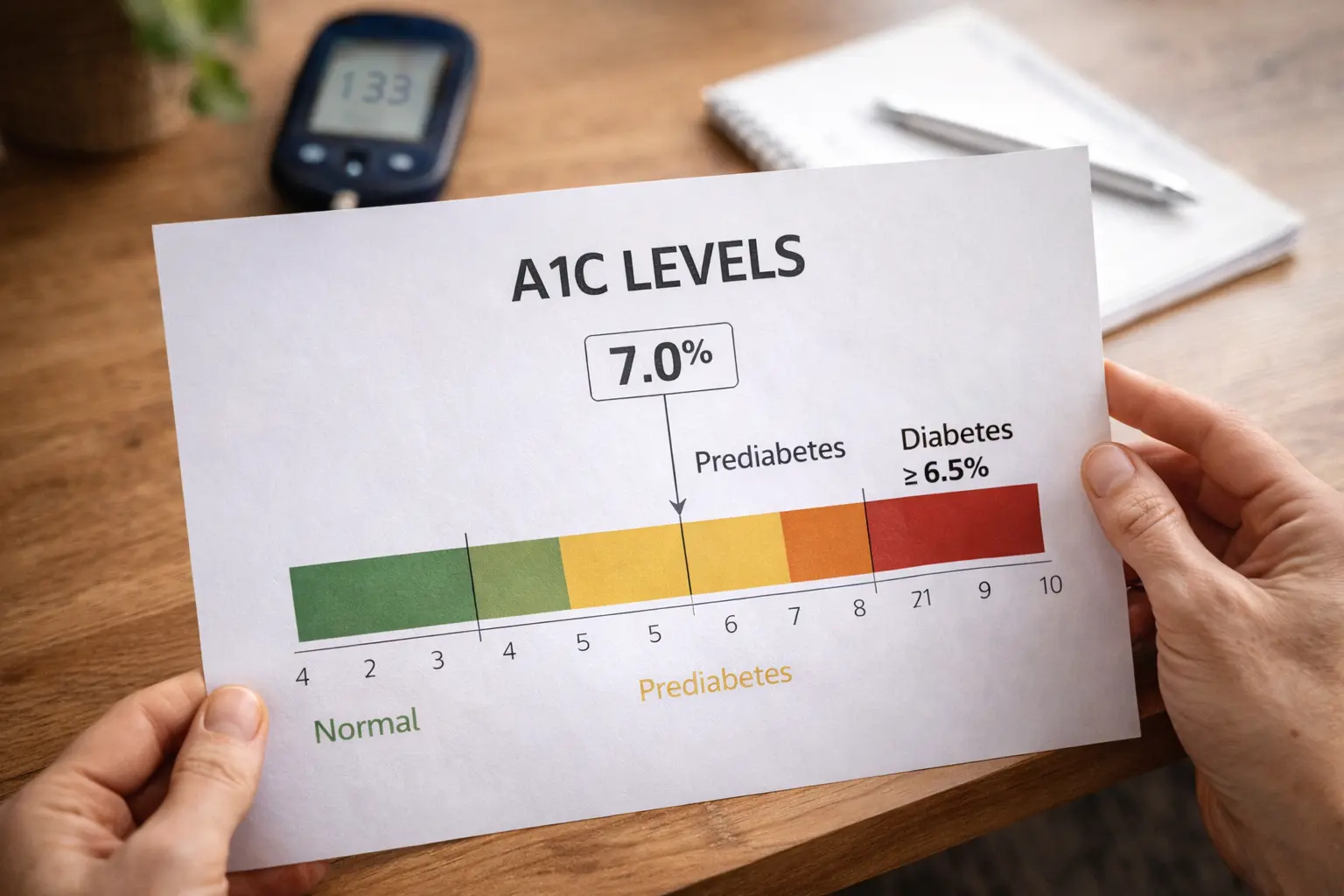
Think of your A1C level as a three-month report card for your blood sugar. Unlike a daily finger-prick test that shows you what’s happening right now, A1C captures the bigger picture of how your body has been managing glucose over the past 2 to 3 months. Below 5.7% means you’re in the clear. Between 5.7% and 6.4% signals prediabetes, which is your body’s way of sending a warning signal. At 6.5% or higher, you’re looking at a diabetes diagnosis. Understanding where you fall on this spectrum matters because it shapes everything from your energy levels to your long-term health outlook. Your healthcare provider uses this number to see if your current lifestyle and any medications are actually working.
- Regular monitoring is crucial for managing diabetes and preventing complications.
- Targeting a healthy A1C level can reduce the risk of heart disease, kidney problems, and nerve damage.
- Consult your healthcare provider to tailor a personalized care plan based on your A1C results.
Impact on daily life
High A1C levels don’t announce themselves with a single dramatic symptom. Instead, they creep up on you. You might notice you’re dragging through the afternoon, needing to refill your water glass constantly, or making extra trips to the bathroom at night. Some people describe a persistent tingling in their feet or hands, or they realize cuts and scrapes are taking longer to heal than they used to. A friend of yours might mention you seem more irritable lately, and you chalk it up to aging, but it could be your body struggling with uncontrolled blood sugar. The good news? When you bring your A1C into a healthy range, many of these symptoms fade. Your energy returns, your mind feels clearer, and you actually enjoy your morning walks again.
💬 Ready to feel better in 2 minutes?choose where to begin:
Managing A1C through lifestyle changes
You don’t need a complete life overhaul to move the needle on your A1C. Start with one small change: maybe swapping your afternoon soda for unsweetened tea, or adding a 15-minute walk after dinner. These aren’t dramatic gestures, but they compound over time. A balanced plate means half your plate is vegetables, a quarter is lean protein like chicken or fish, and a quarter is whole grains. Regular exercise doesn’t mean joining a gym; it means moving your body consistently, whether that’s gardening, dancing to old records, or swimming. Sleep matters too. When you’re well-rested, your body handles glucose more efficiently. Track what you’re doing and how you feel. Many seniors find that keeping a simple food journal or using a health app helps them spot patterns and stay motivated.
Seeking support and guidance
Managing A1C can feel isolating, especially when you’re trying to decode medical jargon or figure out why your numbers aren’t improving. But you’re not walking this path alone. Diabetes support groups, whether in-person at your local hospital or online, connect you with people who truly understand the frustration. Many communities offer free educational classes where nurses and dietitians explain A1C management in plain language. Your healthcare team is your biggest ally; don’t hesitate to ask questions or admit when you’re struggling with diet or exercise. Some seniors benefit from working with a certified diabetes educator who can create a realistic plan tailored to your lifestyle. Having someone in your corner who gets it makes all the difference.
Understanding A1C levels is key in managing diabetes and optimizing your well-being. By interpreting these numbers, making lifestyle adjustments, and seeking support, seniors can take charge of their health and embrace a vibrant future.
How often should seniors check their A1C levels?
Seniors with diabetes should typically have their A1C levels checked every 3-6 months. Your healthcare provider can recommend a monitoring schedule tailored to your individual needs.
Can diet alone help improve A1C levels?
While a healthy diet plays a crucial role in managing A1C levels, it’s usually just one component of a holistic approach. Combining dietary changes with exercise, medication (if prescribed), and regular monitoring is key to optimizing A1C levels.
Others also read:
Disclaimer: This article is for informational purposes only and is not a substitute for professional medical advice. Always consult a healthcare professional for personal guidance.
This article presents an experience-based perspective and has been reviewed by the GlobalHealthBeacon editorial team in 2026. It provides structured, evidence-based information to support informed health decisions.

