Your A1C levels chart sits in your doctor’s file, and you’re staring at numbers that feel like a foreign language, wondering if they actually matter or if you’re just another statistic in a diabetes diagnosis.
Understanding A1C levels
A1C, or hemoglobin A1C, measures the percentage of your red blood cells coated with glucose over the past two to three months. Think of it as a historical record written on your blood cells themselves. When glucose enters your bloodstream, some of it attaches to hemoglobin, a protein in red blood cells. The higher your average blood sugar, the more glucose binds to hemoglobin. Since red blood cells live about three months, your A1C reflects your typical blood sugar patterns during that window. This is why a single fasting glucose test can’t tell the whole story. A woman might have normal fasting glucose one morning but consistently high levels throughout her day. The A1C test captures that bigger picture, making it invaluable for understanding your actual metabolic patterns rather than just a snapshot.
Importance of A1C levels
Chronically elevated blood sugar damages blood vessels and nerves over time, a process that unfolds silently for years. High A1C levels correlate with increased risk of heart disease, stroke, kidney disease, vision problems, and neuropathy. For women specifically, uncontrolled diabetes also affects reproductive health, pregnancy outcomes, and bone density. The relationship between A1C and complications isn’t linear; even modest reductions matter significantly. Research shows that lowering A1C by just one percentage point can reduce heart disease risk by roughly 18 percent and kidney disease risk by 25 percent. A woman with an A1C of 8.5 percent who brings it down to 7.5 percent through dietary changes, increased movement, and medication adjustments is making a tangible difference in her long-term health trajectory. This isn’t about perfection; it’s about understanding that your A1C number directly influences your quality of life in your 60s, 70s, and beyond.
Interpreting your A1C results
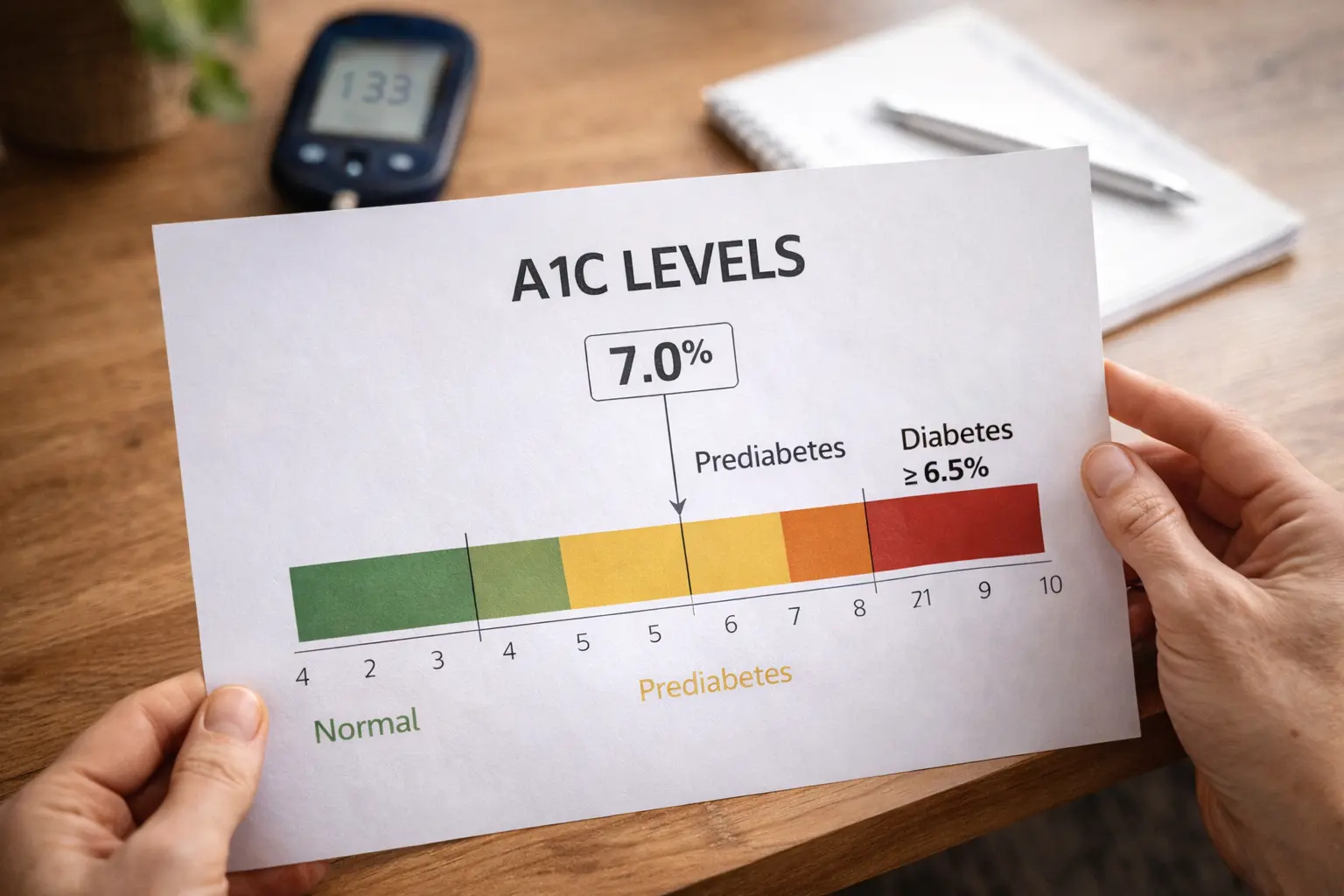
A1C results fall into distinct categories that guide clinical decisions. Below 5.7 percent is considered normal, meaning your average blood sugar has stayed in a healthy range. Between 5.7 and 6.4 percent indicates prediabetes, a warning signal that your body is struggling to regulate glucose but hasn’t crossed into diabetes yet. This stage is critical because lifestyle interventions at this point can prevent or delay diabetes onset entirely. At 6.5 percent or higher, a diabetes diagnosis is confirmed. However, these numbers aren’t one-size-fits-all targets. A 35-year-old woman might aim for below 6.5 percent, while a 78-year-old with multiple health conditions might have a safer target of 7.5 to 8 percent to avoid dangerous low blood sugar episodes. Your healthcare provider considers your age, other medical conditions, how long you’ve had diabetes, and your ability to recognize low blood sugar symptoms when setting your personal A1C goal. Some women benefit from more frequent testing every three months, while others with stable results test twice yearly.
- Review your A1C result and understand where it falls on the normal, prediabetic, or diabetic spectrum.
- Discuss your individual target A1C goal with your healthcare provider based on your age, health status, and life circumstances.
- Track your A1C trends over time rather than fixating on a single number, as patterns reveal whether your management strategy is working.
🔬 Science-backed benefits in 2 minuteschoose where to begin:
Monitoring A1C levels
Regular A1C testing transforms abstract health concepts into concrete data you can act on. Most people with diabetes benefit from testing every three months initially, then every six months once stable. Between A1C tests, home blood glucose monitoring provides real-time feedback. A woman might notice her morning readings spike on days she skips breakfast or that her evening walks consistently lower her numbers. These patterns inform adjustments to medication timing, meal composition, or activity levels. Some women use continuous glucose monitors that track glucose every five minutes, revealing patterns invisible to traditional testing. You might discover that stress from work deadlines raises your glucose more than a slice of cake, or that swimming affects your blood sugar differently than walking. This personalized data becomes your roadmap. Over months, you’ll see whether your A1C is trending down, holding steady, or creeping up, allowing you and your provider to adjust your approach before complications develop.
Seeking guidance
Understanding your A1C results requires partnership with healthcare professionals who know your complete health picture. Your primary care doctor, endocrinologist, or diabetes educator can interpret your results in context. If your A1C is rising despite your efforts, the cause might be medication-related, stress-induced, tied to hormonal changes, or related to undiagnosed sleep apnea. A woman in perimenopause might find her A1C worsening due to hormonal shifts, requiring medication adjustments. Another might discover that her blood pressure medication is affecting glucose metabolism. A registered dietitian can review your eating patterns and identify realistic changes that fit your lifestyle rather than prescribing restrictive diets that fail. Certified diabetes educators teach practical skills like carbohydrate counting, medication administration, or recognizing low blood sugar symptoms. Mental health support matters too, since diabetes burnout and depression directly impact A1C control. Seeking help isn’t failure; it’s the most effective strategy for managing a complex condition.
Future of A1C monitoring
Technology is reshaping how women track and manage their A1C. Continuous glucose monitors now sync with smartphones, providing real-time alerts and trend data. Some systems use artificial intelligence to predict blood sugar patterns hours in advance. Home A1C testing kits are becoming more accessible, though they’re not yet standard for routine monitoring. Wearable devices measure glucose through skin sensors, eliminating fingersticks entirely. Genetic research is revealing why some women’s bodies respond differently to the same foods or medications, paving the way for truly personalized diabetes management. Telemedicine allows women in rural areas to consult endocrinologists without traveling. Apps aggregate your glucose readings, medication adherence, exercise, and nutrition data, creating a comprehensive picture your healthcare team can review between appointments. While these tools are exciting, they’re most effective when combined with human expertise and support. The future isn’t about replacing your doctor with an app; it’s about giving you and your healthcare team better information to make smarter decisions together.
Your A1C level is a powerful health metric that reveals your average blood sugar control over months, not days. Understanding what your number means, setting a personalized target with your healthcare provider, and monitoring trends over time gives you genuine control over your diabetes management. Regular testing combined with lifestyle adjustments and professional guidance significantly reduces your risk of serious complications. This isn’t about achieving perfection; it’s about making informed choices that protect your health and independence for decades to come.
What is a normal A1C level for women?
A normal A1C level for women is below 5.7 percent. Levels between 5.7 and 6.4 percent indicate prediabetes, a stage where lifestyle changes can prevent diabetes progression. An A1C of 6.5 percent or higher indicates diabetes. However, individual targets vary based on age, health conditions, and personal circumstances, so discuss your specific goal with your healthcare provider.
How often should A1C levels be checked?
Most people with diabetes should have A1C levels checked at least twice yearly. Those newly diagnosed or with unstable blood sugar benefit from testing every three months. Once your A1C is stable and well-controlled, your healthcare provider may recommend less frequent testing. Between A1C tests, home blood glucose monitoring provides valuable daily feedback about how your body responds to food, activity, stress, and medication.
Others also read:
Disclaimer: This article is for informational purposes only and is not a substitute for professional medical advice. Always consult a healthcare professional for personal guidance.
This article has been prepared and reviewed by the GlobalHealthBeacon editorial team and is based on current medical research and published scientific literature available in 2026. It provides structured, evidence-based information to support informed health decisions.

