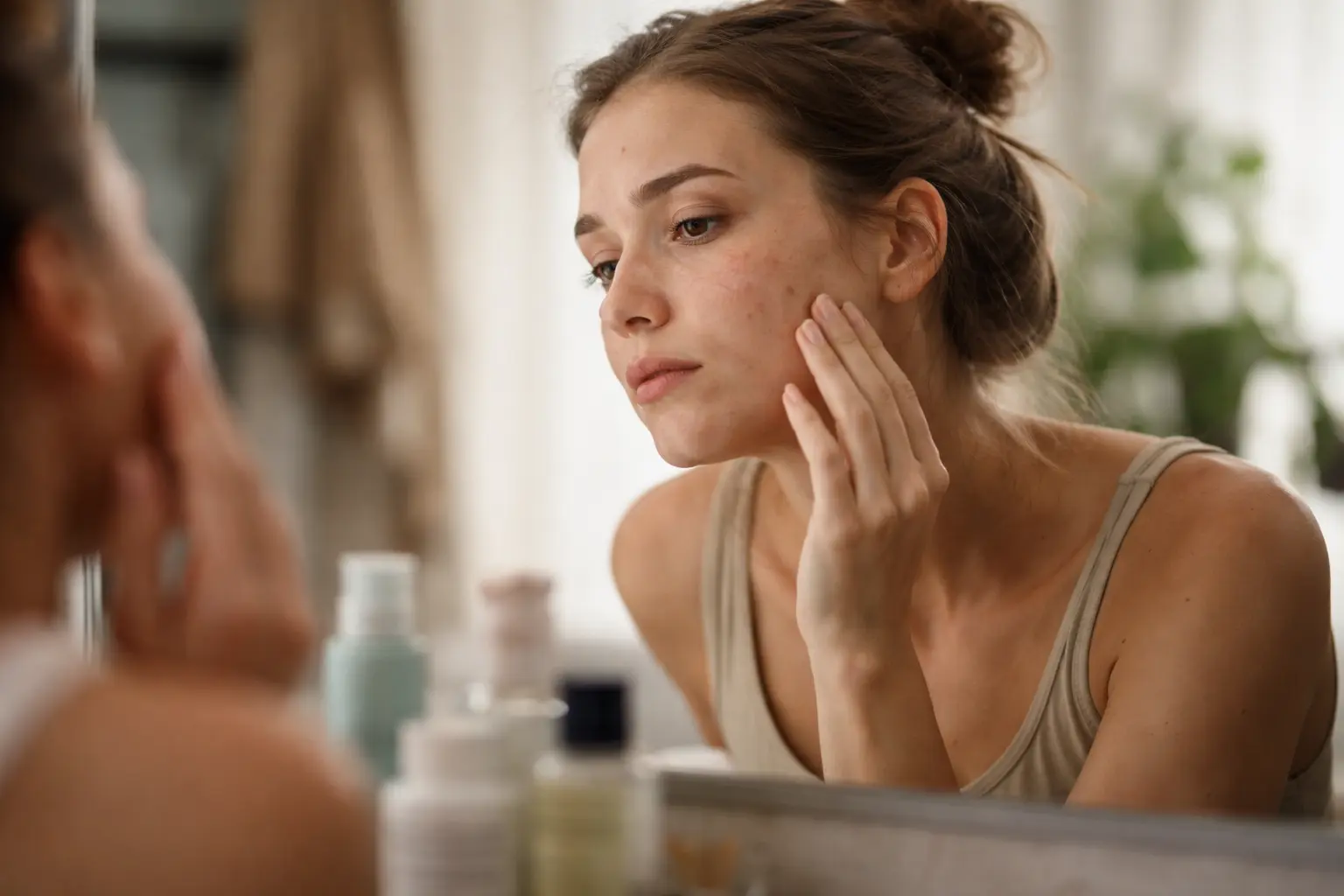
You wake up, look in the mirror, and there it is again – another breakout right when you need your skin to cooperate – but this acne treatment guide cuts through the noise and shows you exactly what science actually says works.
Understanding acne: the basics
Acne develops when a perfect storm of factors converge beneath your skin’s surface. Picture your pores as tiny channels that can become blocked by dead skin cells and sebum, the natural oil your skin produces. When bacteria like Cutibacterium acnes colonize these clogged spaces, your immune system responds with inflammation, creating the red, tender bumps you see. For many women, hormonal fluctuations amplify this process significantly. Consider Sarah, a 28-year-old who noticed her breakouts always worsened in the week before her period. Her dermatologist explained that rising progesterone levels increase sebum production, making her pores more prone to congestion. Understanding these interconnected causes helps explain why acne isn’t simply a hygiene issue or a teenage phase. It’s a complex biological process influenced by genetics, hormones, bacteria, and inflammation working together.
Scientific acne treatments: what works
The scientific evidence supporting various acne treatments is substantial and well-documented. Topical retinoids, derived from vitamin A, work by increasing cell turnover and preventing pore blockage, with studies showing visible improvement in 8 to 12 weeks. Benzoyl peroxide kills acne-causing bacteria while reducing inflammation, making it effective for mild to moderate cases. For more stubborn acne, oral antibiotics like doxycycline reduce bacterial populations and calm inflammation from within. Isotretinoin, reserved for severe cases, fundamentally changes how skin cells behave and can provide long-term remission. Laser and light therapies target bacteria and reduce sebum production through heat and light energy. Chemical peels using salicylic acid or glycolic acid dissolve the bonds holding dead skin cells in place, clearing congestion. A dermatologist can assess your specific acne type, skin sensitivity, and medical history to recommend the most effective combination. What works brilliantly for one woman may not suit another, which is why professional guidance matters.
Healthy skincare habits to combat acne
Your daily skincare routine forms the foundation of acne management, working alongside any professional treatments. Gentle cleansing twice daily removes excess oil, dead skin cells, and environmental debris without stripping your skin’s protective barrier. Many women make the mistake of over-cleansing or using harsh scrubs, which actually triggers more oil production and irritation. Non-comedogenic moisturizers are essential because acne-prone skin still needs hydration, especially if you’re using drying treatments like retinoids or benzoyl peroxide. Sunscreen with at least SPF 30 protects your skin from UV damage that can darken acne scars and worsen inflammation. Consider Michelle’s experience: after starting a retinoid treatment, she skipped moisturizer thinking it would worsen her acne. Instead, her skin became irritated and flaky, making her breakouts worse. Once she added a lightweight, oil-free moisturizer, her skin tolerated the treatment much better and cleared faster. Consistency matters more than complexity in skincare.
- Cleanse your face twice daily with a gentle, pH-balanced cleanser suited to your skin type.
- Use oil-free and non-comedogenic moisturizers to maintain your skin barrier without clogging pores.
- Apply broad-spectrum sunscreen with at least SPF 30 daily to prevent sun damage and protect treated skin.
🔬 Science-backed benefits in 2 minuteschoose where to begin:
The role of diet in acne
The relationship between diet and acne remains one of dermatology’s most debated topics. While some women report that certain foods trigger breakouts, the scientific evidence is mixed and highly individual. High-glycemic foods like white bread and sugary drinks may spike insulin levels, potentially increasing sebum production in susceptible individuals. Dairy products have shown associations with acne in some studies, possibly due to hormones naturally present in milk. However, these connections aren’t universal or guaranteed. A woman with acne might eliminate chocolate and see no improvement, while another notices flare-ups after dairy. The most honest answer from research is that diet likely plays a role for some people but not others. Rather than restrictive elimination diets, nutritionists recommend maintaining a balanced diet rich in antioxidants, omega-3 fatty acids, and whole foods that support overall skin health. Hydration also matters, as dehydrated skin can appear more congested and inflamed.
Hormonal influences on acne
Hormones are powerful regulators of skin behavior, and women experience hormonal shifts throughout their lives that directly impact acne. During puberty, rising androgens increase sebum production dramatically, which is why teenage acne is so common. Many women notice their acne worsens during specific phases of their menstrual cycle, typically in the luteal phase when progesterone peaks. Pregnancy brings hormonal upheaval that can either clear skin or trigger severe breakouts, varying unpredictably between women. Menopause presents another transition where declining estrogen and fluctuating progesterone can reactivate acne in women who haven’t had breakouts in decades. Some women find that hormonal birth control stabilizes their acne by regulating hormone levels, while others experience the opposite effect. Understanding your personal hormonal patterns helps you anticipate flare-ups and time treatments strategically. Tracking your breakouts alongside your menstrual cycle for a few months reveals whether hormones are a significant factor in your acne.
Stress and acne: the connection
The stress-acne connection is rooted in real biology, not imagination. When you experience stress, your body releases cortisol and adrenaline, hormones that trigger a cascade of skin changes. Cortisol stimulates sebaceous glands to produce more oil while simultaneously suppressing your immune system’s ability to fight acne-causing bacteria. Stress also increases inflammation throughout your body, including in your skin. Many women notice their acne flares during high-stress periods like exams, work deadlines, or relationship challenges. The relationship is bidirectional too: acne causes emotional stress, which worsens acne, creating a frustrating cycle. Managing stress through regular exercise, meditation, adequate sleep of seven to nine hours nightly, and relaxation techniques genuinely improves skin outcomes. A woman who started a consistent yoga practice and improved her sleep from five to eight hours reported noticeable acne improvement within six weeks, even without changing her skincare routine. Stress management isn’t just good for your mental health; it’s a legitimate acne treatment strategy.
Understanding the science behind acne treatment guide empowers women to make informed decisions grounded in biology rather than marketing claims. Acne results from interconnected factors including bacteria, inflammation, hormones, and genetics. Effective management combines professional treatments tailored to your specific acne type with consistent skincare habits and lifestyle factors like stress management and adequate sleep. What works brilliantly for one woman may not suit another, which is why working with a dermatologist to create a personalized plan matters. Armed with this knowledge, you can approach acne management with realistic expectations and evidence-based strategies.
Is it necessary to see a dermatologist for acne treatment?
While over-the-counter products containing benzoyl peroxide or salicylic acid can effectively manage mild acne, moderate to severe acne often requires professional evaluation. A dermatologist can identify your specific acne type, assess whether hormonal factors are involved, prescribe stronger medications like retinoids or oral antibiotics, and monitor your progress. They can also rule out other skin conditions that mimic acne and recommend treatments like laser therapy or chemical peels. For persistent acne that hasn’t responded to home care after eight to twelve weeks, professional guidance is worthwhile.
Can acne be completely cured?
Acne cannot always be permanently cured because the underlying factors driving it, particularly hormones and genetics, remain throughout your life. However, acne can be effectively managed and controlled to the point where it causes minimal concern. Many women experience periods of clear skin followed by flare-ups, especially around hormonal changes. The goal of treatment is achieving clear or nearly clear skin and preventing scarring, which is absolutely achievable with the right approach. Some women find that their acne naturally improves with age, while others manage it successfully with consistent treatment throughout adulthood.
Others also read:
Disclaimer: This article is for informational purposes only and is not a substitute for professional medical advice. Always consult a healthcare professional for personal guidance.
This article has been prepared and reviewed by the GlobalHealthBeacon editorial team and is based on current medical research and published scientific literature available in 2026. It provides structured, evidence-based information to support informed health decisions.
