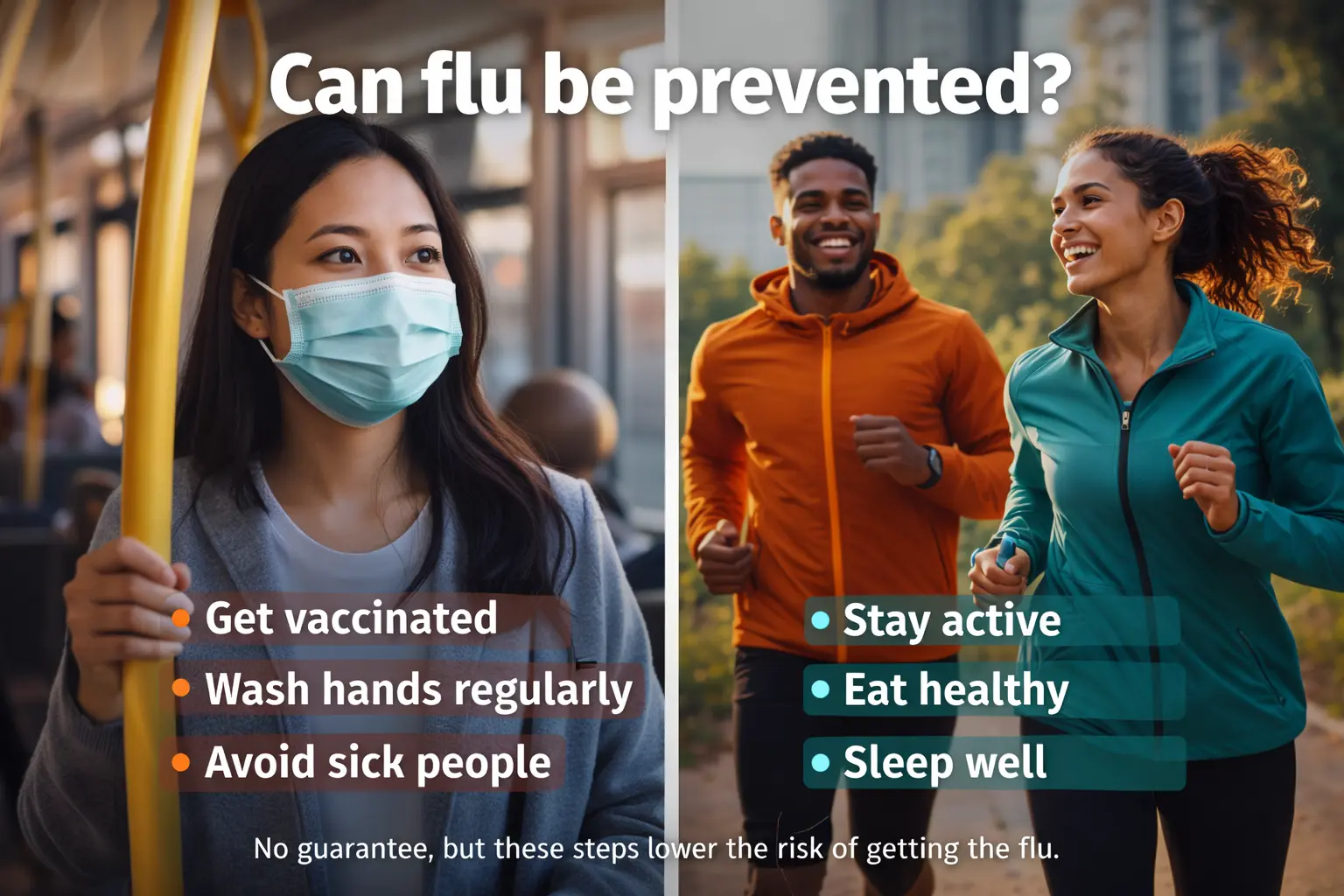
Waking up with body aches, a pounding headache, and that unmistakable scratchy throat during flu season is miserable, and yes, can flu be prevented? The answer is absolutely yes, and this guide walks you through exactly how to protect yourself without missing out on your life.
Strengthen your immune system
Your immune system is your first line of defense, and the good news is you can actively strengthen it through daily choices. Think of it like training for a sport: consistency matters more than perfection. Start by loading your plate with immune-boosting foods. Citrus fruits like oranges and lemons are packed with vitamin C, yogurt provides probiotics that support gut health (where much of your immune function happens), and dark leafy greens like spinach and kale contain zinc and selenium. Real-world example: a young adult who switches from energy drinks and fast food to adding just one piece of fruit daily and a serving of leafy greens to dinner will notice improved energy within weeks. Sleep is equally critical. Your body repairs and regenerates during sleep, producing the white blood cells that fight infection. Aim for 7 to 9 hours nightly. If you’re pulling all-nighters or running on 5 hours, your immune system is essentially operating on empty. Hydration keeps everything flowing, literally. Water helps lymph circulate and flush toxins. Stress management matters too because chronic stress suppresses immune function. Whether that’s 10 minutes of deep breathing, a walk, or time with friends, find what works for you.
- Eat a balanced diet rich in vitamins and minerals
- Stay hydrated by drinking plenty of water
- Prioritize quality sleep to allow your body to recharge
Practice good hygiene
Good hygiene is your practical shield against flu transmission, and it’s simpler than you might think. Hand washing is the foundation. Wash your hands with soap and water for at least 20 seconds, especially after using public transportation, before eating, after touching your face, and when you come home. That 20-second rule matters because it takes time for soap to break down the virus’s protective layer. A practical tip: hum the happy birthday song twice to time yourself accurately. When soap and water aren’t available, hand sanitizer with at least 60 percent alcohol works as a backup, though it’s less effective on visibly dirty hands. The face-touching habit is real and harder to break than you’d expect. You touch your face roughly 15 to 30 times per hour without thinking about it. The flu virus enters through your eyes, nose, and mouth, so reducing face contact directly reduces infection risk. Common mistake: people sanitize their hands but then immediately touch their phone, which harbors more bacteria than a toilet seat. Clean your phone regularly with disinfectant wipes. If someone around you is sick, maintain distance when possible and ask them to cover coughs and sneezes with their elbow, not their hands.
📘 Fix your day in under 2 minuteschoose where to begin:
Get vaccinated
The flu vaccine is your most powerful tool for flu prevention, and it’s worth understanding how it actually works. The vaccine trains your immune system to recognize and fight the flu virus before you encounter it in the wild. Think of it as showing your immune system a wanted poster of the virus so it’s ready when the real thing shows up. Annual vaccination is necessary because the flu virus mutates yearly, and the vaccine is reformulated to match the current strains. Young adults often skip vaccination thinking they’re invincible, but the flu can hit hard at any age and can lead to serious complications like pneumonia or hospitalization. The vaccine is safe. Millions of doses are administered annually with a strong safety track record. Mild side effects like arm soreness or low-grade fever are normal and mean your immune system is responding. Serious side effects are extremely rare. Getting vaccinated also protects vulnerable people around you: elderly relatives, newborns, and immunocompromised friends. Timing matters. Get vaccinated in September or October before flu season peaks in December through February. If you miss that window, getting vaccinated later is still beneficial. Talk to your healthcare provider about the best vaccine option for you.
Stay active and exercise regularly
Regular physical activity is a game-changer for immune function and overall resilience. Exercise increases circulation, which helps white blood cells move through your body more efficiently. It also reduces inflammation and stress hormones that suppress immunity. You don’t need to become a gym rat. Moderate activity like brisk walking for 30 minutes most days, cycling, swimming, or even dancing counts. A practical scenario: a young adult who adds a 20-minute walk three times weekly will see measurable improvements in immune markers within a few weeks. Exercise also improves sleep quality, which circles back to immune strength. The relationship is bidirectional: better sleep supports exercise recovery, and exercise deepens sleep. Avoid overtraining though, because excessive intense exercise without adequate recovery can temporarily suppress immunity. Balance is key. If you’re already active, maintain your routine but listen to your body. If you’re sedentary, start small. A 10-minute walk is better than nothing and builds momentum. During flu season, indoor options like home workouts, yoga, or gym visits work fine. The goal is consistency and movement, not intensity.
Stay informed and seek medical advice
Knowledge is power when it comes to flu prevention and response. Stay informed about flu activity in your area through local health department websites or the CDC’s FluView tracker, which shows real-time flu trends. Understanding when flu is circulating helps you take extra precautions during peak weeks. If you develop flu-like symptoms like fever, cough, body aches, or fatigue, contact a healthcare provider promptly. Early treatment with antiviral medications like oseltamivir (Tamiflu) can reduce symptom duration and severity if started within 48 hours of symptom onset. Common mistake: waiting too long or self-diagnosing based on internet searches. A quick call to your doctor or urgent care clinic is faster and more reliable. If you have underlying health conditions, are pregnant, or have other risk factors, prioritize medical consultation even sooner. Don’t rely on unproven remedies or supplements marketed as flu cures. While some may support general health, they’re not substitutes for vaccination and medical care. Your healthcare provider can give personalized advice based on your health history and current flu landscape.
Strengthen your immune system through nutrition, sleep, and hydration. Practice consistent hand hygiene and avoid touching your face. Get your annual flu vaccine as your strongest defense. Stay active with regular exercise to boost immune function. Stay informed about flu activity in your area and seek medical advice promptly if symptoms develop. These practical steps work together to keep you healthy year-round.
Is the flu vaccine effective in preventing the flu?
Yes, the flu vaccine is highly effective in preventing the flu and significantly reducing symptom severity if infection occurs. Effectiveness varies by year and strain match, typically ranging from 40 to 60 percent, but even partial protection reduces complications and hospitalizations. Annual vaccination is recommended for everyone 6 months and older.
Can natural remedies prevent the flu?
While lifestyle habits like good hygiene, regular exercise, balanced nutrition, and stress management support your immune system and reduce infection risk, they are not substitutes for flu vaccination. The flu vaccine remains the most effective prevention method. Natural habits work best when combined with vaccination.
Others also read:
Disclaimer: This article is for informational purposes only and is not a substitute for professional medical advice. Always consult a healthcare professional for personal guidance.
This guide has been prepared and reviewed by the GlobalHealthBeacon editorial team and reflects current medical research as of 2026. It provides structured, evidence-based information to support informed health decisions.
