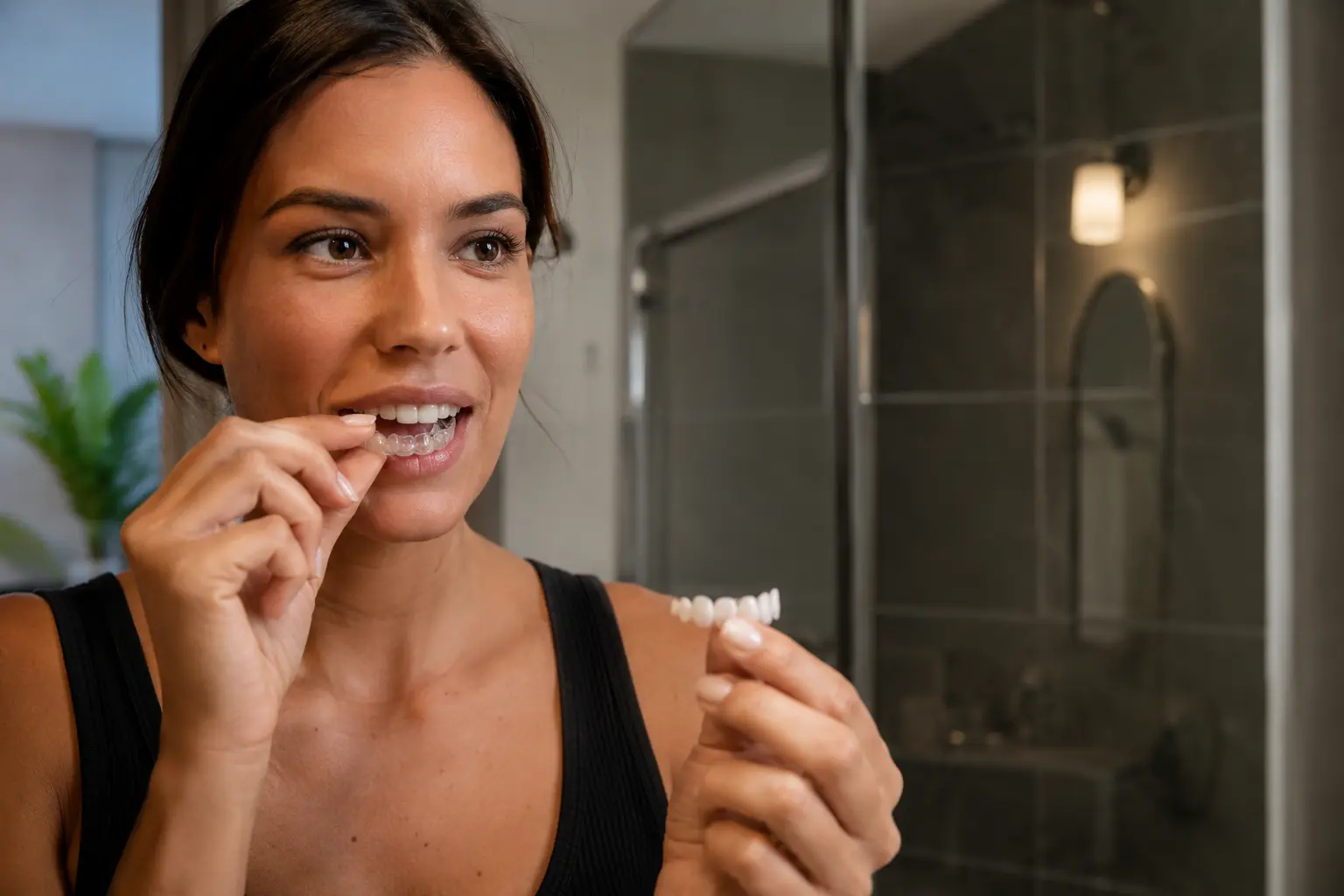
You’re tired of hiding your smile in photos, tired of feeling self-conscious when you laugh with friends, and now you’re staring down two completely different paths to fix it, wondering which one will actually stick around and not drain your wallet or your patience in the process.
Durability: unveiling the strength of clear aligners
Clear aligners have become a game-changer for seniors who want to straighten their teeth without committing to something permanent. Imagine spending the last decade avoiding your dentist because you felt embarrassed about your smile. Then one day you discover these nearly invisible trays that work quietly in the background. They’re made from a flexible, durable plastic material that’s designed to withstand the pressure of gradually shifting your teeth into alignment over months. What makes them appealing is the control you maintain. Unlike veneers, which are bonded permanently to your teeth, aligners can be removed whenever you need to eat, drink, or clean your teeth. A typical treatment lasts anywhere from six to eighteen months depending on your specific needs. The durability of the aligners themselves is impressive too. They’re engineered to handle the constant pressure without cracking or warping, though they do need to be replaced every one to two weeks as your teeth move. Many seniors appreciate that if life circumstances change, you can pause treatment without losing your investment entirely.
- Customized fit for optimal comfort and gradual teeth movement
- Removable design allows easy cleaning and normal eating habits
- Treatment timeline typically ranges from six to eighteen months
Effortless aesthetics: embracing veneers’ longevity
Veneers represent a different philosophy entirely. These ultra-thin ceramic shells are permanently bonded to the front surface of your teeth, and once they’re in place, they stay there. Picture this: you’ve spent years with gaps between your teeth or stains that whitening never quite fixed. With veneers, those problems vanish almost instantly. A skilled dentist will shave down a small layer of your natural tooth, then custom-craft a veneer that matches your bite and smile perfectly. The longevity is remarkable. Quality veneers can last fifteen to twenty years or even longer with proper care. They’re resistant to staining, chipping is rare if you avoid biting down on hard objects, and they maintain their natural appearance because they’re custom-made to blend seamlessly with your existing teeth. For many seniors, this permanence is actually comforting. You’re not managing trays or worrying about compliance. You wake up, brush your teeth normally, and your smile looks exactly as you designed it. The aesthetic transformation is immediate and dramatic, which appeals to people who want results now rather than gradual progress over months.
💬 Ready to feel better in 2 minutes?choose where to begin:
Maintenance: sustaining your smile’s radiance
Here’s where the two options diverge significantly in daily life. Clear aligners demand consistent attention. You need to wear them for twenty to twenty-two hours every day for them to work effectively. That means removing them before eating anything, rinsing them after meals, and soaking them in cleaning solution regularly to prevent bacterial buildup and discoloration. Many seniors find this routine manageable, but it does require discipline and planning, especially if you’re social and eating out frequently. You also need to brush and floss your teeth after every meal before reinserting the aligners, which adds time to your day. Veneers, by contrast, need only standard dental hygiene. Brush twice daily, floss, and visit your dentist every six months for checkups. There’s no special cleaning solution, no removal routine, no compliance tracking. However, you do need to be mindful of habits like chewing ice, biting your nails, or using your teeth as tools, as these can damage the veneers. Some people also find that veneers require occasional touch-ups or replacement if the underlying tooth develops decay or the veneer itself chips. The maintenance difference is significant when you’re thinking about convenience and long-term commitment.
Decision time: picking your perfect smile solution
Choosing between clear aligners and veneers isn’t just about which lasts longer. It’s about what fits your life right now. Ask yourself honestly: do you want gradual improvement or immediate transformation? Can you commit to wearing aligners consistently, or would you prefer a set-it-and-forget-it solution? What’s your budget looking like? Clear aligners typically cost between three thousand and eight thousand dollars, while veneers range from eight hundred to two thousand dollars per tooth. If you have ten teeth you want veneered, you’re looking at a significant investment. Think about your lifestyle too. Are you someone who enjoys eating without restrictions, or does the removable nature of aligners appeal to you? Do you have any underlying dental issues like severe decay or gum disease that might make veneers risky? This is where a conversation with your dentist becomes invaluable. They can assess your specific situation, discuss your goals, and recommend the path that makes the most sense for your teeth, your habits, and your peace of mind.
For seniors weighing clear aligners versus veneers, the choice ultimately depends on your priorities. Clear aligners offer flexibility, gradual improvement, and reversibility, making them ideal if you want control and don’t mind daily maintenance. Veneers deliver immediate, dramatic results and require minimal upkeep, but they’re permanent and come with a higher upfront cost. Both can transform your smile and last for years when properly cared for. The right choice is the one that aligns with your lifestyle, budget, and vision for your future smile.
Are clear aligners suitable for seniors?
Clear aligners can absolutely work for seniors, and many dental professionals now recommend them as a gentle, effective option for straightening teeth at any age. They’re particularly appealing to older adults who want to avoid the permanence of veneers or the visibility of traditional braces. The key is consistency. You need to wear them as prescribed and maintain good oral hygiene. However, if you have significant gum disease, bone loss, or complex bite issues, veneers or other solutions might be better suited to your situation. Always consult with your dentist to determine what’s realistic for your specific dental health.
Do veneers require special care?
Veneers don’t need special cleaning products or complex routines, but they do require mindfulness. Brush and floss normally, just like you would with natural teeth. Avoid chewing on hard objects like ice, hard candy, or pens, as this can crack or chip the veneer. If you grind your teeth at night, ask your dentist about a night guard to protect your veneers while you sleep. Also be cautious with very hot and very cold foods in quick succession, as extreme temperature changes can sometimes cause damage. With these simple precautions and regular dental visits, your veneers will maintain their beauty and function for many years.
Others also read:
Disclaimer: This article is for informational purposes only and is not a substitute for professional medical advice. Always consult a healthcare professional for personal guidance.
This article presents an experience-based perspective and has been reviewed by the GlobalHealthBeacon editorial team in 2026. It provides structured, evidence-based information to support informed health decisions.
