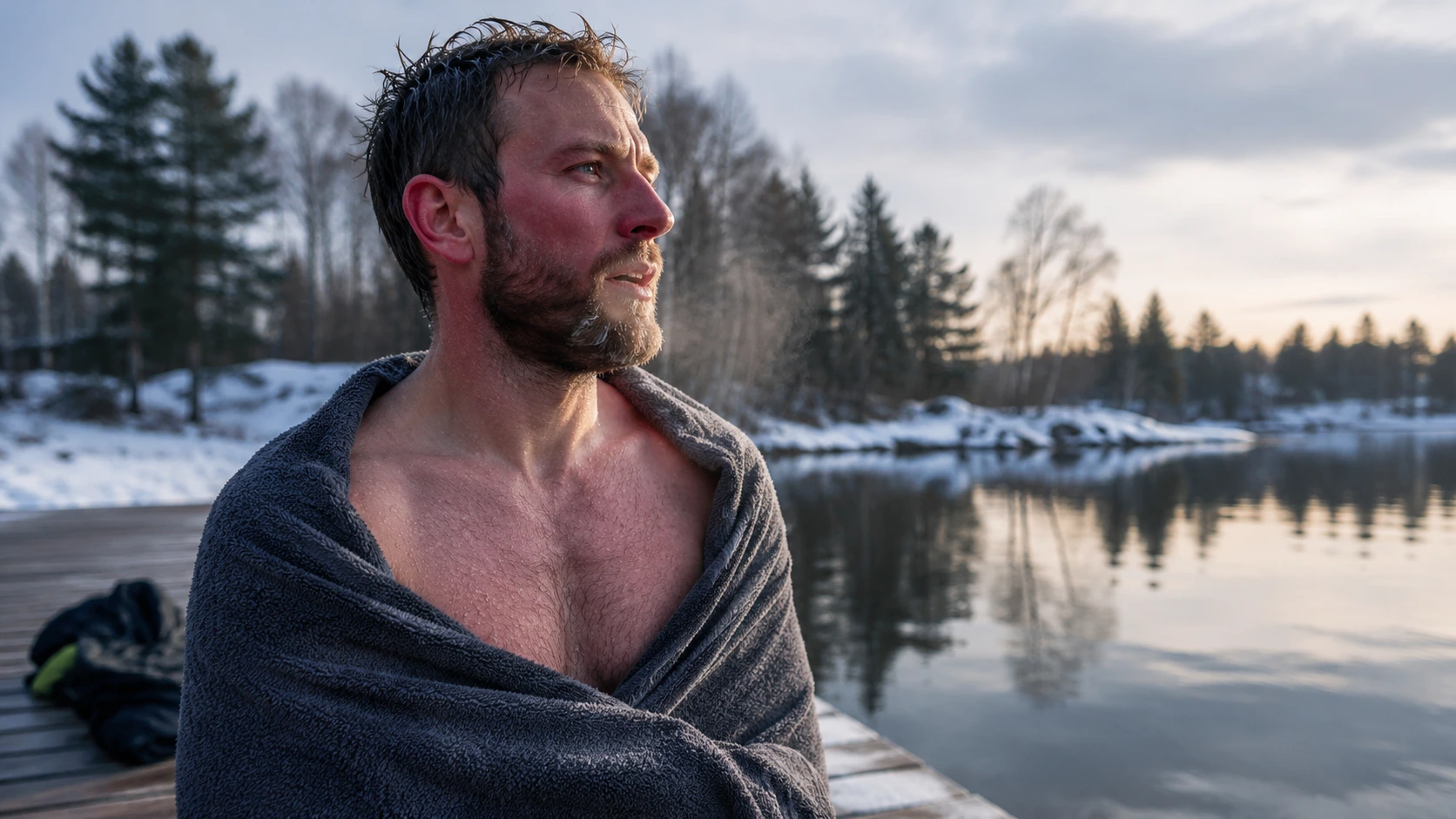
You’ve heard the buzz about ice baths everywhere, and honestly, it sounds both amazing and terrifying, especially when you’re over 60 and wondering if plunging into freezing water is actually going to help or just give you a heart attack. Here’s what cold exposure health effects really mean for you.
Understanding cold exposure health effects
Cold exposure, whether through ice baths, cold showers, or immersion in cold water, triggers a cascade of physiological responses in your body. When you expose yourself to cold, your nervous system activates, blood vessels constrict, and your body works to maintain core temperature. This process, called thermogenesis, can stimulate the production of brown adipose tissue and activate your parasympathetic nervous system over time. For seniors, understanding these mechanisms matters because your body’s thermoregulation becomes less efficient with age. A 65-year-old recovering from cold exposure takes longer than a 25-year-old, which is why gradual adaptation is essential. Start with water that feels uncomfortably cool rather than shocking, perhaps 50-60 degrees Fahrenheit, and limit initial sessions to 1-2 minutes. Your cardiovascular system needs time to adjust, and rushing this process can trigger unwanted stress responses rather than beneficial ones.
- Start with shorter exposure times and gradually increase as your body adapts.
- Always consult with a healthcare provider before trying cold exposure, especially if you have underlying health conditions.
- Listen to your body and stop immediately if you experience any discomfort or adverse effects.
Benefits of cold exposure for seniors
Research suggests that regular, controlled cold exposure can offer meaningful benefits for older adults. Improved circulation is one practical advantage: cold water immersion forces your cardiovascular system to work efficiently, potentially strengthening heart function over time. Many seniors report enhanced mood and mental clarity after sessions, likely due to increased endorphin release and improved blood flow to the brain. Consider Margaret, a 72-year-old with chronic knee pain from arthritis who incorporated brief cold water immersion twice weekly. After eight weeks, she noticed reduced inflammation and improved mobility, allowing her to walk further without discomfort. Cold exposure may also support metabolic function and increase brown fat activation, which helps regulate body temperature and can aid in maintaining healthy weight. Additionally, some seniors find that the mental resilience built through tolerating cold exposure translates to improved confidence in other areas of life, creating a positive psychological feedback loop.
📘 Fix your day in under 2 minuteschoose where to begin:
Risks and considerations for seniors
Cold exposure is not without risks, and seniors must approach it thoughtfully. Extreme cold can strain the cardiovascular system, potentially triggering arrhythmias or blood pressure spikes in those with existing heart conditions. If you have arthritis, lupus, or Raynaud’s syndrome, cold immersion may exacerbate symptoms rather than relieve them. Hypothermia risk increases with age because your body’s ability to generate and retain heat diminishes. Prolonged exposure, even to moderately cold water, can lower core body temperature dangerously. Additionally, the shock response to sudden cold can trigger involuntary gasping, which poses aspiration risk if you’re in water. Those taking certain medications, including beta-blockers or blood pressure medications, may experience unexpected reactions to cold stress. The key is honest self-assessment: if you have any cardiovascular condition, diabetes, or take multiple medications, cold exposure requires medical clearance before attempting it.
Practical tips for safe cold exposure
Safety protocols transform cold exposure from a risky experiment into a manageable wellness practice. First, always have a warm, dry space immediately accessible where you can warm up afterward. Never attempt ice baths alone; having a partner present allows someone to monitor you and assist if needed. Warm up gradually before exposure by doing light movement, which prepares your cardiovascular system. During immersion, focus on controlled breathing rather than panicked gasping. Start with 30-60 seconds in water around 50-59 degrees Fahrenheit, then gradually extend duration as your body adapts over weeks. After exposure, dry off immediately and wrap yourself in warm layers or a blanket. Avoid jumping into extremely cold water or staying in too long, which can trigger dangerous stress responses. Keep a thermometer handy to monitor water temperature, and avoid ice baths if you’re sick, injured, or emotionally stressed, as your body’s stress load is already elevated.
Incorporating cold exposure into your routine
Building a sustainable cold exposure practice means starting conservatively and adjusting based on how you feel. Begin with once or twice weekly sessions, perhaps on days when you’re well-rested and not dealing with other physical stressors. A realistic schedule might look like: Monday and Thursday evening cold showers for two minutes, gradually extending to three minutes over four weeks. Track how you feel in a simple journal, noting energy levels, mood, sleep quality, and any physical changes. Pay attention to signals from your body: mild discomfort is normal, but sharp pain, dizziness, or chest tightness means stop immediately. Many seniors find that cold exposure pairs well with other wellness practices like stretching, walking, or meditation. If you notice improved recovery after exercise or better sleep, those are signs the practice is working for your body. If you experience no benefits after eight weeks or feel worse, it’s perfectly reasonable to discontinue. The goal is sustainable wellness, not forcing yourself into a practice that doesn’t fit your life or physiology.
Cold exposure, such as ice baths, can offer numerous health benefits for seniors when practiced safely and mindfully. It’s important to understand the potential risks, benefits, and practical tips for incorporating cold exposure into your routine.
Is cold exposure safe for seniors with pre-existing health conditions?
Seniors with pre-existing health conditions should consult with a healthcare provider before trying cold exposure. It’s crucial to understand how cold exposure may impact specific health conditions and adjust the practice accordingly.
How often should seniors incorporate cold exposure into their routine?
Seniors can start by incorporating cold exposure into their routine a few times a week, beginning with shorter sessions and gradually increasing exposure time as tolerated. Listening to your body’s feedback is key to finding the right balance.
Others also read:
Disclaimer: This article is for informational purposes only and is not a substitute for professional medical advice. Always consult a healthcare professional for personal guidance.
This guide has been prepared and reviewed by the GlobalHealthBeacon editorial team and reflects current medical research as of 2026. It provides structured, evidence-based information to support informed health decisions.
