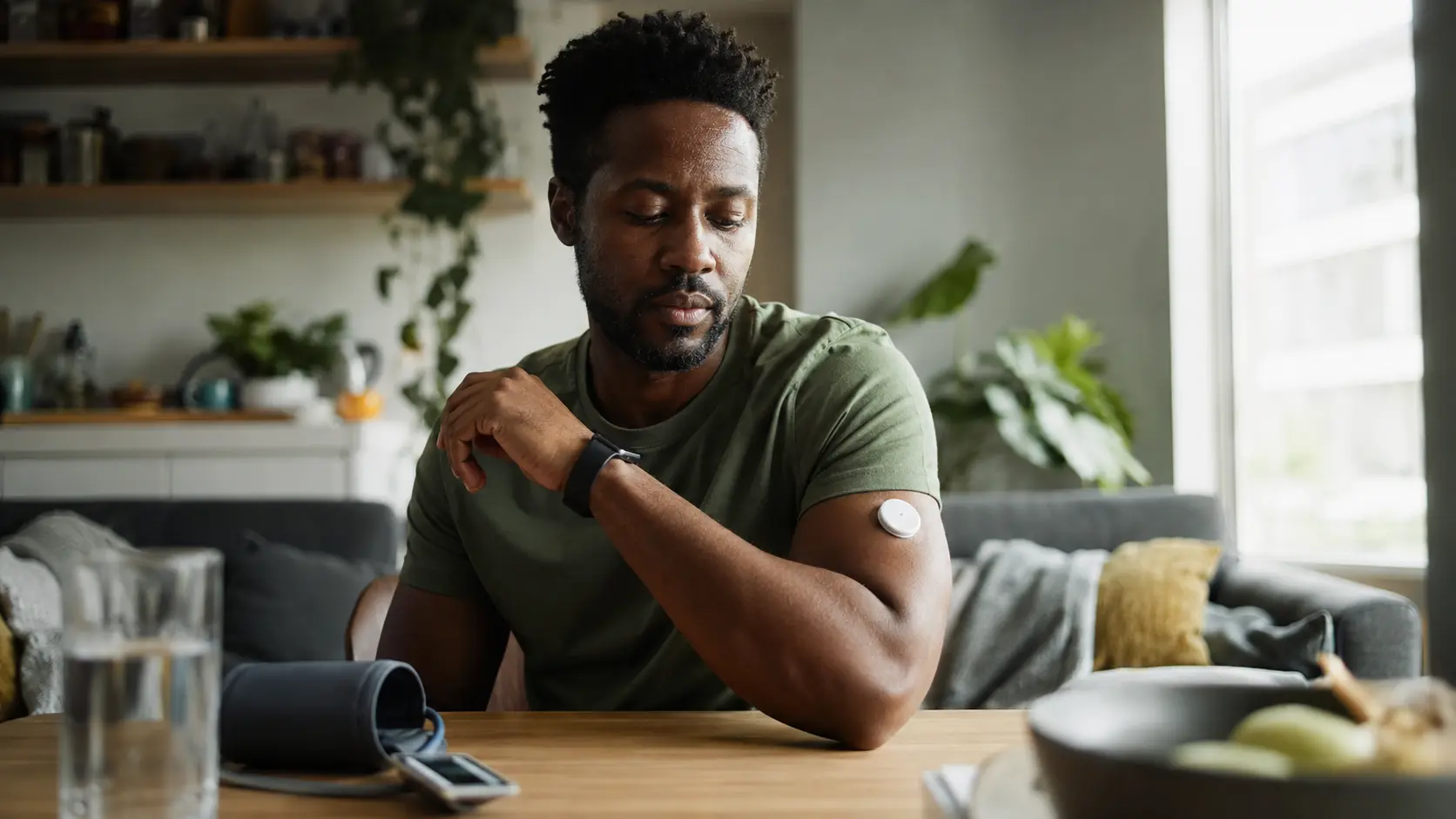
You wake up exhausted again, wondering if your sleep is actually restorative, your fitness routine is working, or if something’s quietly off with your body, and connected health devices might finally give you the real answers you’ve been desperately searching for.
How connected health devices work
Connected health devices operate like having a personal health assistant strapped to your wrist or clipped to your clothing. These gadgets use sensors to continuously monitor your body’s signals, then sync that data to your smartphone or computer. Imagine waking up and immediately seeing not just that you slept, but exactly how many deep sleep cycles you completed, when your heart rate spiked, and whether you were restless. A smartwatch tracks your steps throughout the day, but it also captures your heart rate variability, stress levels, and even oxygen saturation. Some devices go deeper, measuring skin temperature, menstrual cycles, or hydration levels. The real magic happens when these devices connect to apps that analyze patterns over weeks and months, revealing trends you’d never notice on your own. For example, you might discover that your sleep quality drops after high-stress workdays, or that certain workouts elevate your resting heart rate more than others. This continuous feedback loop transforms abstract health concerns into concrete, visible data you can actually understand and act upon.
- Receive instant feedback on your fitness activities
- Monitor key health metrics effortlessly
- Stay motivated with personalized goals and reminders
Benefits of using connected health devices
The shift from guessing about your health to knowing it is genuinely life-changing. Connected health devices hand you agency in a way traditional healthcare often doesn’t. You’re no longer passively waiting for annual checkups to learn about your body. Instead, you’re actively gathering evidence about what works for you. Many women report that tracking their menstrual cycle through a connected device helped them understand energy fluctuations, plan workouts strategically, and even identify patterns they could discuss with their doctors. Others discovered that their persistent fatigue was linked to poor sleep quality, not laziness. By having access to continuous data, you can set realistic, data-backed goals. Instead of vague intentions like ‘get healthier,’ you might commit to ‘increase my average daily steps by 2,000 over the next month’ or ‘improve my sleep consistency by 15 percent.’ You can celebrate small wins, adjust strategies when something isn’t working, and feel genuinely in control of your wellness journey. The motivational aspect shouldn’t be underestimated either. Seeing your progress visualized in an app creates momentum and accountability that keeps you engaged long-term.
💬 Ready to feel better in 2 minutes?choose where to begin:
Challenges you might face
Despite their appeal, connected health devices come with real friction points that deserve honest discussion. Data privacy is a legitimate concern. These devices collect intimate information about your body, and not all companies handle that data with equal care or transparency. Before purchasing, research what data the company collects, how long they keep it, and whether they sell it to third parties. Technical glitches happen too. Syncing failures, inaccurate readings, and app crashes can be frustrating when you’re relying on the device for motivation or health insights. Some women find that obsessive tracking becomes counterproductive, triggering anxiety rather than empowerment. If you’re prone to health anxiety, constant notifications about heart rate or sleep metrics might feed worry rather than calm it. Battery life can also be inconvenient, especially for devices requiring daily charging. Additionally, not all devices work seamlessly with all smartphones or operating systems, so compatibility issues can derail your experience before you even start. The cost factor is real too. Quality connected health devices range from affordable to expensive, and it’s easy to invest in a device only to abandon it after a few months if it doesn’t fit your lifestyle or provide the insights you hoped for.
Making informed decisions
Choosing the right connected health device requires honest self-reflection about your actual needs and habits. Start by identifying which health metrics matter most to you. Are you primarily interested in fitness tracking, sleep analysis, stress management, or reproductive health monitoring? Different devices excel at different things. A device beloved by marathon runners might frustrate someone focused on daily wellness. Next, consider your lifestyle realistically. Will you actually wear it daily, or does it need to be waterproof for your swimming habit? Can you commit to charging it regularly, or do you need multi-day battery life? Test the app interface if possible before buying, since you’ll be interacting with it constantly. Read reviews specifically from women, since our bodies and health priorities often differ from men’s. Pay attention to comments about accuracy, comfort during workouts or sleep, and whether the app provides insights that feel personally relevant. Think about your budget not just for the initial purchase but for potential subscriptions or replacements. Finally, consider starting with one device rather than building an entire ecosystem at once. This approach lets you understand your preferences without overwhelming yourself. Many women find that beginning with a simple fitness tracker or sleep monitor helps them decide whether connected devices genuinely enhance their wellness or create unnecessary stress.
Connected health devices offer women a powerful way to shift from guessing about their health to actively understanding their bodies through real-time data and personalized insights. By tracking everything from sleep patterns to stress levels, these devices empower you to make informed decisions, set achievable goals, and take control of your wellness journey. While challenges like data privacy and potential obsessive tracking exist, approaching device selection thoughtfully and honestly about your needs can help you harness their benefits while minimizing drawbacks. The future of personal wellness is increasingly data-driven, and these tools can be meaningful partners in your health story.
Are connected health devices easy to use?
Most connected health devices are designed with women in mind these days, featuring intuitive interfaces and straightforward setup processes. However, ease of use varies by brand and device type. Reading the user manual thoroughly and watching setup videos can prevent frustration. Some devices have steeper learning curves than others, so checking user reviews about setup difficulty is worth your time before purchasing.
Can connected health devices help me improve my fitness?
Yes, connected health devices can significantly enhance your fitness efforts by providing objective data about your activity levels, heart rate zones, recovery time, and progress over weeks. This information helps you understand whether your current routine is actually effective, when to push harder, and when to rest. Many women use this data to adjust workouts strategically, celebrate measurable progress, and stay motivated through plateaus.
Others also read:
Disclaimer: This article is for informational purposes only and is not a substitute for professional medical advice. Always consult a healthcare professional for personal guidance.
This article presents an experience-based perspective and has been reviewed by the GlobalHealthBeacon editorial team in 2026. It provides structured, evidence-based information to support informed health decisions.
