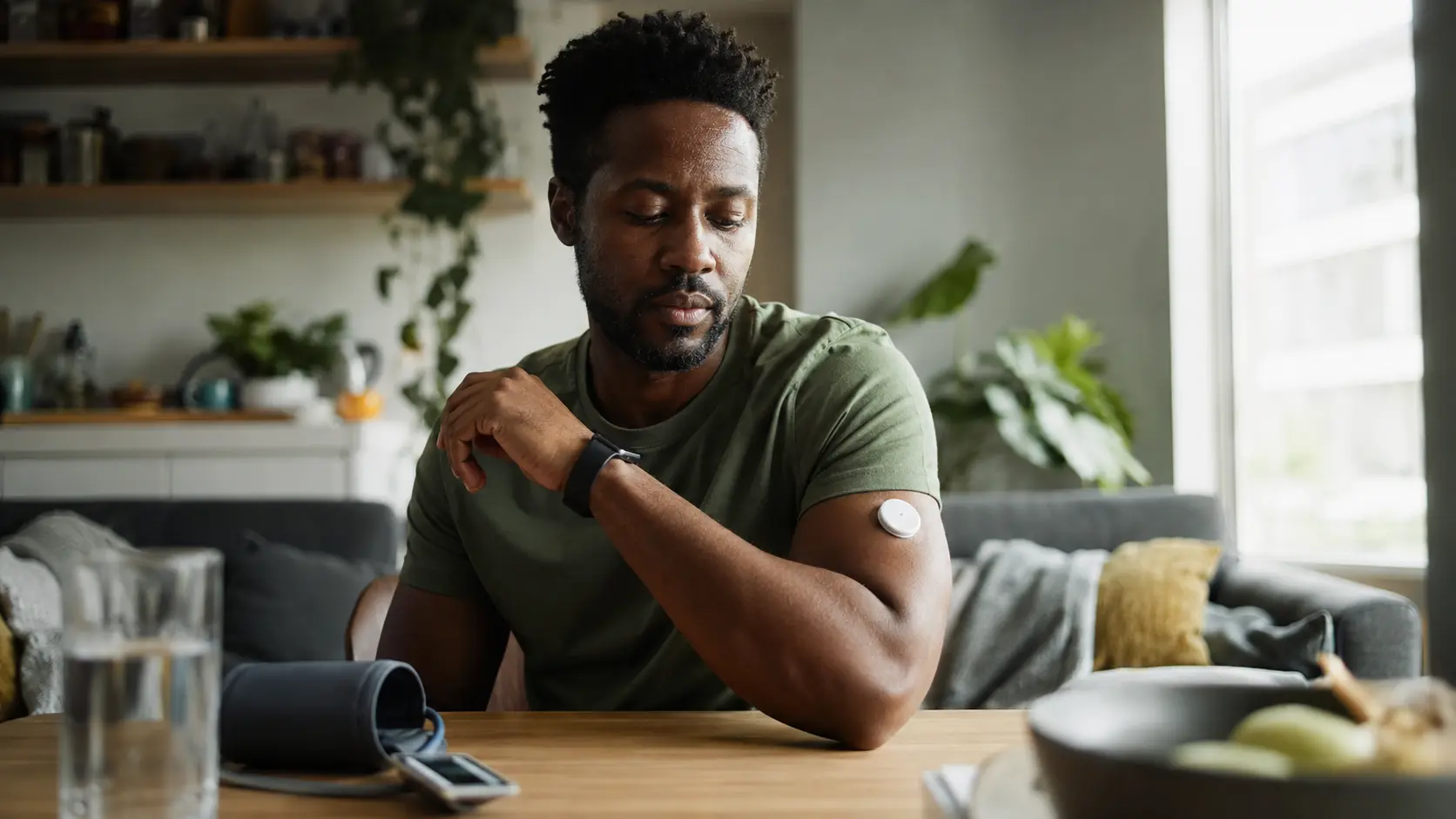
You’re tired of guessing whether your blood pressure is actually okay or if that irregular heartbeat means something serious, and you’re wondering if connected health devices could finally give you real answers instead of worry.
Understanding connected health devices
Connected health devices represent a broad category of wearable and stationary technologies that capture physiological data and transmit it wirelessly to your smartphone, tablet, or secure cloud storage. Think of a smartwatch that monitors your heart rate throughout the day, or a Bluetooth-enabled blood pressure cuff that automatically logs readings to an app on your phone. These devices include glucose monitors for diabetes management, pulse oximeters that measure oxygen levels, weight scales that track trends, and even sleep trackers that analyze your rest patterns. The technology works by collecting data through sensors, processing it locally on the device, and then syncing it to a connected platform where you can view your information over time. For seniors, this means having a continuous record of health metrics without needing to manually write down numbers or remember to check them. The data transmission happens securely through encrypted connections, creating a digital health profile that can be shared with healthcare providers if you choose.
Benefits of using connected health devices
Real-time monitoring allows you to observe patterns in your health that might otherwise go unnoticed. For example, a senior with hypertension might discover that their blood pressure spikes in the early morning or during stressful situations, enabling them to discuss these patterns with their doctor and adjust medications or lifestyle accordingly. Connected devices empower proactive decision-making because you have data at your fingertips rather than relying on memory or occasional clinic visits. Many seniors report feeling more engaged with their health when they can see tangible measurements and trends. Early detection becomes possible when you notice gradual changes in metrics like weight gain, irregular heart rhythms, or declining oxygen saturation. This information can prompt timely conversations with healthcare providers before minor issues become serious. Additionally, some devices provide gentle reminders to take medications, move around, or check vital signs, which helps establish healthy routines and improves overall compliance with health management plans.
How to incorporate connected health devices into your routine
Starting with connected health devices requires thoughtful selection and gradual integration into your daily life. First, identify which health metrics matter most to you. If you have diabetes, a glucose monitor becomes essential. If you have heart concerns, a blood pressure monitor or heart rate tracker makes sense. If sleep quality affects your mood and energy, a sleep tracker provides valuable insights. Once you’ve chosen a device, spend time learning its features before relying on it. Read the instruction manual, watch tutorial videos, and practice using it several times. Set it up according to the manufacturer’s guidelines, which typically involves downloading an app, creating an account, and pairing the device via Bluetooth. Start by checking your readings daily at the same time to establish a baseline and understand what normal looks like for your body. Many seniors find it helpful to keep a simple log alongside the app to spot patterns. Gradually increase your reliance on the device as you become comfortable with it. Consider setting phone reminders for regular check-ins, and share your login information with a trusted family member who can help troubleshoot technical issues.
- Identify which health metrics align with your specific health conditions and goals.
- Research reputable brands and read reviews from other seniors before purchasing.
- Download the companion app and familiarize yourself with its interface before using the device.
- Follow setup instructions carefully, including Bluetooth pairing and account creation.
- Take readings at consistent times each day to establish reliable baseline data.
- Review your data weekly to spot trends and changes in your health metrics.
- Share relevant data with your healthcare provider during appointments for informed discussions.
🔬 Science-backed benefits in 2 minuteschoose where to begin:
Challenges and limitations of connected health devices
Connected health devices, while valuable, come with real limitations that seniors should understand. Data security remains a concern because health information is sensitive and valuable to hackers. Not all devices use equally strong encryption, so choosing reputable manufacturers with transparent privacy policies matters significantly. Accuracy varies between devices and brands, and some readings may not match what you’d get at a doctor’s office. A home blood pressure monitor might show slightly different numbers than a clinical device, which is why healthcare providers often verify readings in-office. User compliance presents another challenge because many seniors start enthusiastically but lose motivation over time. Technical difficulties frustrate some users, particularly those less comfortable with apps and Bluetooth connectivity. Battery management, software updates, and compatibility issues with older phones can create barriers. Additionally, over-reliance on device readings without professional interpretation can lead to unnecessary anxiety or missed context. A single high reading doesn’t always indicate a problem, but some users panic without understanding normal variation. Finally, not all insurance plans cover connected devices, making cost a practical barrier for many seniors on fixed incomes.
Future trends in connected health devices
The connected health landscape is evolving rapidly with technologies that promise more personalized and predictive insights. Artificial intelligence is beginning to analyze your data patterns to predict potential health issues before they become serious. For instance, AI algorithms might notice subtle changes in your heart rate variability that suggest an upcoming infection or cardiac event, alerting you and your doctor proactively. Remote patient monitoring is expanding, allowing healthcare providers to track your metrics continuously and intervene when needed without requiring office visits. Wearable technology is becoming less intrusive and more comfortable, with devices embedded in patches, rings, or clothing rather than bulky watches. Integration across multiple devices is improving, so your blood pressure monitor, glucose meter, and activity tracker can share data in one unified platform. Predictive health insights will help seniors understand not just what their numbers are today, but what they might mean for future health outcomes. Telemedicine platforms are increasingly connecting directly to these devices, allowing doctors to see your real-world data during virtual appointments. These advancements aim to shift healthcare from reactive treatment to preventive management, giving seniors more control and earlier intervention opportunities.
Conclusion on seniors’ connected devices
Connected health devices represent a meaningful tool for seniors who want to take an active role in understanding and managing their health. They provide objective data that can spark important conversations with healthcare providers and help you recognize patterns in your own body. However, they work best as part of a comprehensive approach that includes regular medical care, healthy lifestyle choices, and professional guidance. These devices are not replacements for doctors but rather partners in your health journey. Understanding both their capabilities and limitations helps you use them wisely and avoid over-interpreting data. As technology continues to advance, these tools will likely become more accurate, secure, and integrated into mainstream healthcare. The key is choosing devices that match your specific health needs, learning to use them properly, and maintaining realistic expectations about what they can tell you. Many seniors find that the simple act of monitoring their health regularly boosts their sense of control and engagement with their wellbeing, which itself can be beneficial.
Connected health devices enable seniors to monitor vital metrics continuously and recognize health patterns that might otherwise go unnoticed. While these devices offer real benefits for proactive health management, challenges like data security, measurement accuracy, and user compliance require careful consideration. The future of connected health technology promises more personalized insights through artificial intelligence and better integration with healthcare providers, though devices work best alongside professional medical care rather than as replacements for it.
Are connected health devices safe for seniors to use?
Connected health devices are generally safe when you choose reputable manufacturers with strong data security practices. Look for devices that use encrypted connections, have clear privacy policies, and are FDA-cleared when applicable. While the devices themselves are safe to wear or use, the main safety consideration involves protecting your health data. Always use strong passwords for your accounts, enable two-factor authentication when available, and be cautious about which apps you grant permission to access your health information.
How can seniors benefit from using connected health devices?
Seniors benefit by gaining continuous visibility into their health metrics, which enables early detection of changes that might indicate developing problems. Regular monitoring helps you and your doctor understand your baseline and spot patterns related to medications, activities, or stress. Connected devices also support medication compliance through reminders, reduce the need for frequent office visits for routine monitoring, and give you concrete data to discuss with healthcare providers. Many seniors report feeling more empowered and engaged with their health when they have objective measurements rather than relying on how they feel.
Others also read:
Disclaimer: This article is for informational purposes only and is not a substitute for professional medical advice. Always consult a healthcare professional for personal guidance.
This article has been prepared and reviewed by the GlobalHealthBeacon editorial team and is based on current medical research and published scientific literature available in 2026. It provides structured, evidence-based information to support informed health decisions.
