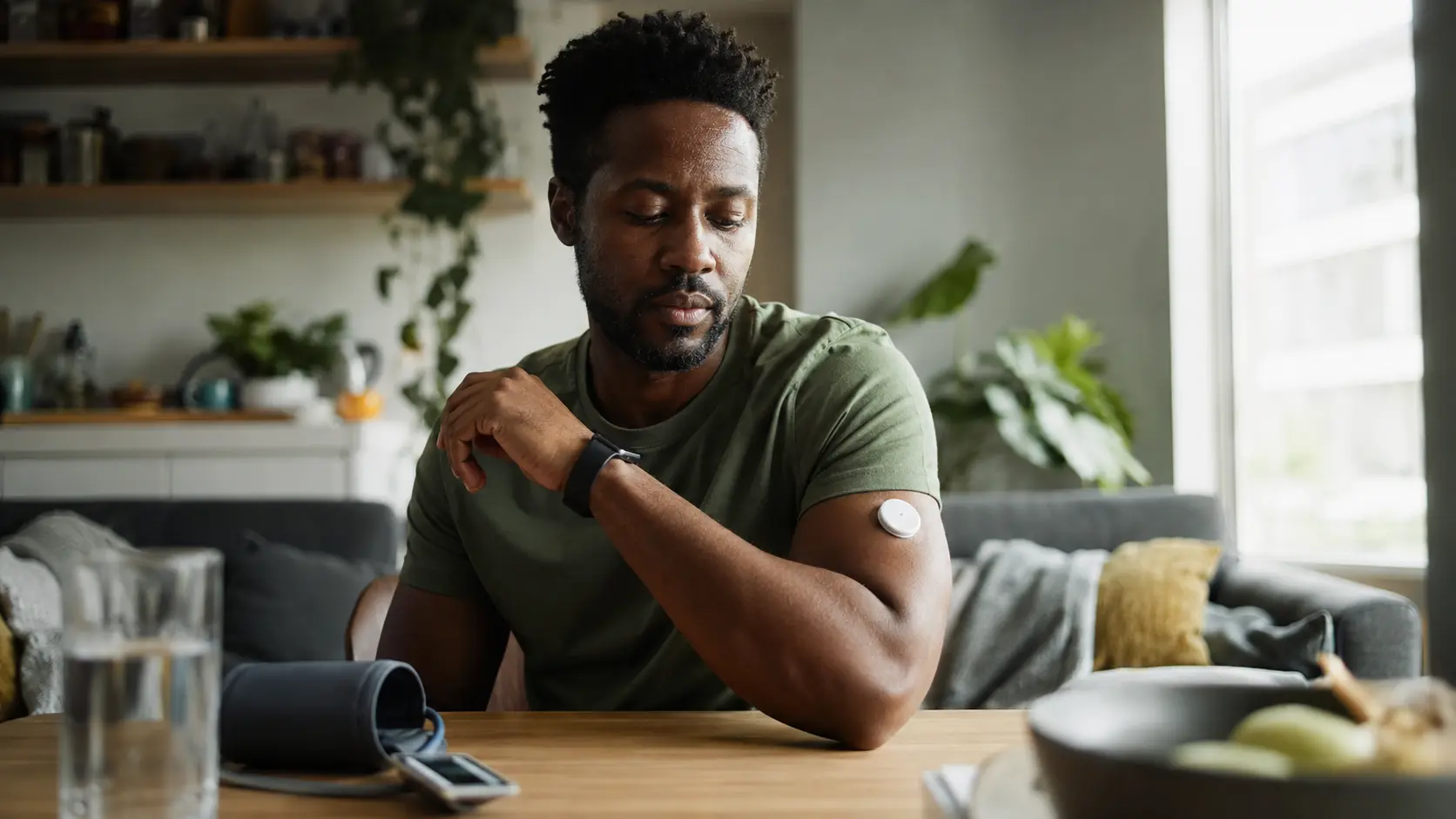
You’re exhausted from guessing what’s happening in your body, from irregular cycles to sleep that never feels restorative, and connected health devices might finally give you the clarity you’ve been craving.
The science behind connected health devices
Connected health devices work by using sensors and algorithms to capture biological data in real time. When you wear a smartwatch or use a fitness tracker, accelerometers measure movement, optical sensors detect heart rate by tracking blood flow through your wrist, and temperature sensors monitor subtle shifts in your body. These devices transmit data wirelessly to your smartphone or cloud-based platform, where algorithms process the information and present it in digestible formats. For women specifically, this technology becomes particularly valuable because it captures patterns unique to female physiology. A device might track how your heart rate variability shifts across your menstrual cycle, or how sleep quality changes during different hormonal phases. The science isn’t magical, but it is precise. By converting invisible biological processes into visible data points, these devices transform abstract feelings like fatigue or stress into measurable metrics you can actually understand and act upon.
Benefits of women’s connected health devices
Women’s bodies operate on rhythms that standard health monitoring often overlooks. Connected devices designed with female physiology in mind track menstrual cycles, ovulation windows, and hormonal shifts that influence everything from energy levels to mood and athletic performance. Imagine wearing a device that alerts you when you’re entering your luteal phase, helping you adjust workout intensity or nutrition timing accordingly. Beyond cycle tracking, these devices monitor sleep architecture, distinguishing between light, deep, and REM sleep stages, which matters because women often experience different sleep disruption patterns than men due to hormonal fluctuations. Heart rate variability tracking reveals stress resilience and recovery status. Some devices even track skin temperature changes that correlate with ovulation or illness onset. The cumulative benefit is personalization at scale. Instead of generic health advice, you get insights tailored to your individual patterns. A woman might discover that her migraines cluster around specific cycle phases, or that her resting heart rate drops significantly after strength training. This level of detail empowers proactive health management rather than reactive treatment.
How to choose the right connected health device for women
Choosing a device requires honest self-assessment first. Ask yourself what health questions keep you up at night. Are you struggling with sleep quality and want detailed sleep stage data? Do you have irregular cycles and need reliable tracking? Are you training for endurance and need accurate heart rate and recovery metrics? Once you identify your primary goal, research devices specifically engineered for those outcomes. Read independent reviews from women with similar health profiles, not just marketing materials. Check accuracy claims against published validation studies. Some devices excel at step counting but underperform on heart rate accuracy during high-intensity exercise. Compatibility matters more than you might think. If you use an iPhone, some Android-exclusive apps won’t sync properly. Battery life varies dramatically, from daily charging to weekly or monthly intervals. Consider your lifestyle. A device requiring daily charging might frustrate you if you travel frequently. Price ranges from under fifty dollars to several hundred, and more expensive doesn’t always mean better for your specific needs. Test return policies before committing. Many reputable companies offer thirty-day trials, giving you real-world experience before permanent purchase.
- Define your primary health objectives and what data matters most to you.
- Research devices with proven accuracy for your specific tracking needs.
- Read independent reviews from women with similar health concerns.
- Verify compatibility with your smartphone and existing health apps.
- Compare battery life, durability, and design comfort for daily wear.
- Check warranty coverage and return policies before purchasing.
- Make your decision based on alignment with your requirements, not marketing hype.
🔬 Science-backed benefits in 2 minuteschoose where to begin:
Enhancing wellness with connected health devices
Data becomes powerful only when you actually use it. Connected health devices shine when you treat them as conversation starters with yourself and your healthcare providers. Suppose you notice your device consistently shows elevated resting heart rate on days following high-stress work meetings. That pattern might prompt you to experiment with stress management techniques and measure whether meditation or walks genuinely lower your baseline. You gain concrete feedback instead of vague intuition. Many women discover unexpected correlations. One person might realize her afternoon energy crashes correlate with skipped breakfasts. Another notices her sleep quality improves dramatically when she stops scrolling social media an hour before bed. These insights come from months of data visualization, not from reading generic wellness articles. Devices also help identify potential health concerns early. Unusual heart rate patterns, persistent sleep disruption, or significant weight fluctuations become visible trends rather than isolated incidents you might dismiss. When you bring this data to your doctor, you’re not saying ‘I feel tired,’ you’re saying ‘My sleep efficiency dropped from 87 percent to 71 percent over three weeks.’ That specificity transforms conversations and enables better clinical decision-making.
The future of women’s health monitoring
Connected health technology is advancing rapidly, and the trajectory points toward increasingly sophisticated monitoring. Current devices measure basic metrics like steps, heart rate, and sleep. Next-generation devices are incorporating blood glucose monitoring without finger pricks, continuous hydration assessment, and more granular hormonal phase detection. Artificial intelligence is improving at recognizing patterns humans miss. Algorithms are learning to predict illness onset days before symptoms appear by detecting subtle shifts in sleep, heart rate variability, and activity levels. Some research explores non-invasive stress hormone monitoring through sweat analysis. Personalization will deepen too. Rather than comparing your data to population averages, future devices will create individualized baselines, alerting you only when your metrics deviate from your personal normal. Integration with clinical care is expanding. More healthcare systems now accept device data directly into patient records, allowing doctors to see your actual activity levels and sleep patterns rather than relying on what you remember during appointments. Privacy and data security remain important considerations as these systems evolve. The trajectory suggests women will have unprecedented insight into their own physiology, enabling earlier intervention and more effective preventive care strategies.
Empowering women through data-driven health decisions
The fundamental shift connected health devices enable is moving from passive health consumption to active health authorship. Instead of accepting a doctor’s appointment every six months as your only health touchpoint, you become the primary observer of your own body. You notice patterns, test interventions, and measure results continuously. This matters especially for women because our health concerns are often dismissed or minimized. When you arrive at an appointment with six months of objective data showing persistent sleep disruption or unusual heart rate patterns, you can’t be told it’s all in your head. You have evidence. This evidence-based approach also builds health literacy. Understanding your own data teaches you how your body actually works. You learn that stress genuinely affects sleep quality, that recovery requires more than just rest days, that hormonal cycles influence athletic performance. This knowledge shifts your relationship with your body from one of mystery and frustration to one of informed partnership. You make decisions about exercise timing, nutrition, stress management, and medical care based on your individual data rather than generic recommendations. That’s not just empowering, it’s transformative.
Connected health devices offer women a scientific approach to monitoring and optimizing their health through data-driven insights. By leveraging advanced technology and personalized data, these devices empower women to take proactive steps towards holistic well-being.
How do connected health devices benefit women’s wellness?
Connected health devices provide women with personalized insights into their health metrics, enabling them to track vital signs, monitor wellness trends, and make informed decisions based on scientific data.
What should women consider when choosing a connected health device?
When selecting a connected health device, women should evaluate factors such as accuracy, compatibility, ease of use, and specific health goals to ensure they choose a device that aligns with their individual needs.
Others also read:
Disclaimer: This article is for informational purposes only and is not a substitute for professional medical advice. Always consult a healthcare professional for personal guidance.
This article has been prepared and reviewed by the GlobalHealthBeacon editorial team and is based on current medical research and published scientific literature available in 2026. It provides structured, evidence-based information to support informed health decisions.
