Tired of finger pricks multiple times a day and still feeling like you’re flying blind with your blood sugar? A continuous glucose monitor explained is the game-changer that finally lets you see what’s actually happening in your body, 24/7, so you can stop guessing and start managing.
What is a continuous glucose monitor (CGM)?
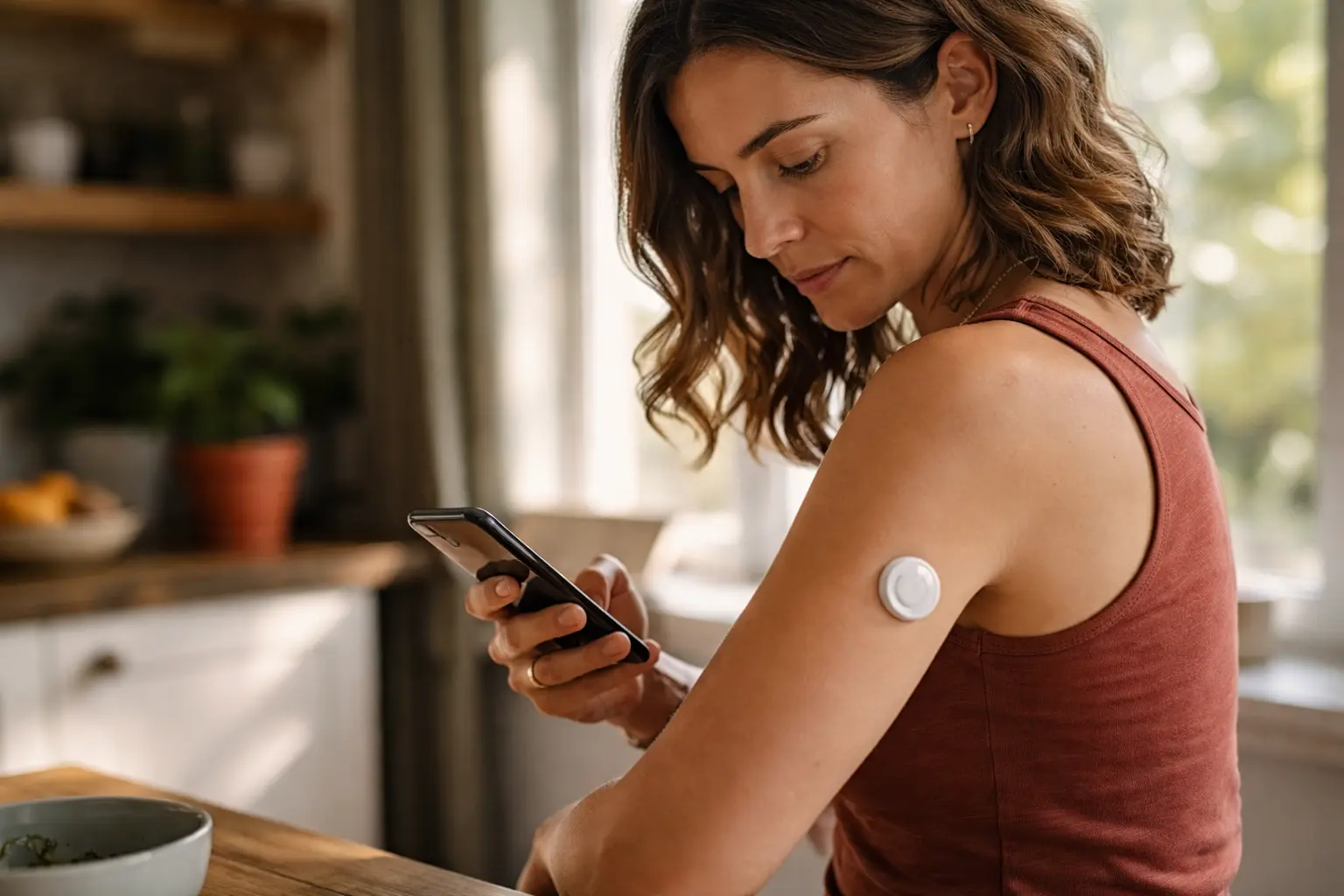
A continuous glucose monitor is a small, wearable device about the size of a postage stamp that sits on your skin and tracks your blood sugar levels around the clock. Inside, a tiny sensor sits just under the skin and measures glucose in the fluid between your cells, sending readings to a receiver or your smartphone every few minutes. Think of it like having a personal blood sugar assistant in your pocket. Instead of pricking your finger four or five times a day, you simply glance at your phone or a small device to see exactly where your glucose is right now and where it’s headed. The sensor typically lasts 10 to 14 days before you replace it, and the whole process takes just seconds. For seniors managing diabetes, this shift from occasional snapshots to a continuous movie of your blood sugar patterns changes everything about how you approach meals, exercise, and medication timing.
- CGMs provide continuous glucose readings every few minutes, offering a comprehensive view of your blood sugar trends.
- The CGM alerts you if your glucose levels are too high or too low, allowing for timely intervention to prevent complications.
- CGMs can help seniors manage their diabetes more effectively by providing actionable data to make informed decisions regarding diet, exercise, and medication.
How does a CGM benefit seniors?
For seniors, the benefits go way beyond convenience. Imagine never having to fumble with lancets or worry about getting accurate readings when your hands are shaky or your eyesight isn’t what it used to be. A CGM removes that friction entirely. You get real-time alerts if your blood sugar drops dangerously low at night, which is especially valuable since low blood sugar episodes can be harder to notice as you age. The device also helps you spot patterns you might have missed. Maybe you notice that your 3 p.m. walk always brings your glucose down nicely, or that pasta dinners cause a spike two hours later. Armed with this knowledge, you can adjust your routine proactively instead of reactively. Many seniors report feeling more confident and in control when they can see their glucose trends, which reduces anxiety about managing their condition. Plus, if you share your data with your healthcare provider, they can fine-tune your medication or dietary recommendations based on real patterns rather than guesswork.
📘 Fix your day in under 2 minuteschoose where to begin:
Key features of CGMs for seniors
Modern CGMs pack several features designed to support better diabetes management. Customizable alarms alert you when glucose climbs above or drops below your target range, so you’re never caught off guard. Trend arrows show you whether your blood sugar is rising, falling, or holding steady, which helps you predict what might happen next and act before a problem develops. Data storage and history tracking let you review weeks or months of glucose patterns, revealing insights about how different foods, activities, and stress levels affect you. Some devices offer data-sharing capabilities, allowing you to send your glucose information directly to family members or your doctor’s office, which is reassuring for seniors who want their loved ones informed. Many CGMs also integrate with fitness trackers or smartwatches, giving you a fuller picture of how exercise and sleep impact your blood sugar. The screens are typically large and easy to read, and the setup process has been simplified so you don’t need to be tech-savvy to get started.
How to use a CGM effectively
Getting the most out of your CGM starts with proper setup and ongoing attention to detail. When you first apply the sensor, choose a spot on your abdomen or back where the skin is relatively flat and you won’t accidentally knock it off. The sensor needs good contact with your skin to read accurately, so avoid areas with scars or very hairy skin. Most CGMs require an initial calibration period of 15 minutes to two hours where you’ll enter a fingerstick reading to help the device sync with your actual blood sugar. After that, keep your receiver or smartphone within range, usually 10 to 20 feet depending on the model. Check your readings regularly, not obsessively, but enough to notice patterns. If a reading seems wildly off, do a fingerstick to confirm. Replace your sensor on schedule, and clean the application site gently before putting on a new one. Talk with your healthcare provider about what your target glucose range should be and how to interpret the trend data. Common mistakes include ignoring the alerts, forgetting to replace the sensor on time, or assuming the CGM is always 100 percent accurate when it’s actually a helpful tool that sometimes needs a fingerstick double-check.
Choosing the right CGM for your needs
Several CGM options exist on the market, and picking the right one depends on your lifestyle and preferences. Consider ease of use first. If you’re not comfortable with smartphones, look for a device with a dedicated receiver that’s simple and intuitive. Battery life matters too, especially if you travel or don’t want to charge devices constantly. Check compatibility with your phone or other devices you use daily. Some CGMs work only with specific phone models, while others have their own receivers. Cost is a real factor. Insurance coverage varies widely, so check with your provider about what they’ll pay for. Some CGMs are more affordable out of pocket than others. Think about data sharing. If you want your doctor or family to see your readings, make sure the device supports that feature. Sensor wear time also varies, from 10 to 14 days, which affects how often you need to change it and how much you’ll spend monthly. Schedule a conversation with your healthcare provider before deciding. They know your specific health situation, your medication regimen, and your lifestyle, and they can recommend a device that fits your needs rather than pushing you toward the most expensive option.
Continuous glucose monitors transform diabetes management for seniors by replacing finger pricks with real-time, 24/7 glucose tracking. The device sits on your skin, sends readings to your phone or receiver every few minutes, and alerts you to highs and lows before they become problems. Key features like trend analysis, customizable alarms, and data sharing help you understand your body’s patterns and make informed decisions about food, exercise, and medication. Using a CGM effectively means proper sensor placement, regular monitoring, and working closely with your healthcare provider to interpret the data. Choosing the right device involves considering ease of use, cost, compatibility with your lifestyle, and insurance coverage. With the right CGM and a commitment to understanding your glucose patterns, you gain confidence and control over your diabetes management.
Are CGMs only for seniors with diabetes?
CGMs are primarily designed for people with diabetes who need to monitor blood sugar levels regularly. However, some seniors without diabetes may use them if their healthcare provider recommends monitoring for prediabetes, gestational diabetes history, or other specific health conditions. Your doctor can advise whether a CGM makes sense for your situation.
Do CGMs require a prescription?
Yes, CGMs require a prescription from a healthcare provider. This ensures the device is appropriate for your health needs and that you receive proper training on how to use it and interpret the data. Your provider can also help you navigate insurance coverage and find the best device for your lifestyle.
Others also read:
Disclaimer: This article is for informational purposes only and is not a substitute for professional medical advice. Always consult a healthcare professional for personal guidance.
This guide has been prepared and reviewed by the GlobalHealthBeacon editorial team and reflects current medical research as of 2026. It provides structured, evidence-based information to support informed health decisions.
