Waking up dizzy, not knowing if your blood sugar is dangerously high or low, constantly pricking your fingers until they’re sore, missing out on activities because you’re terrified of a glucose crash – this is what life looks like before you understand continuous glucose monitors explained and how they can actually give you your freedom back.
Understanding continuous glucose monitors
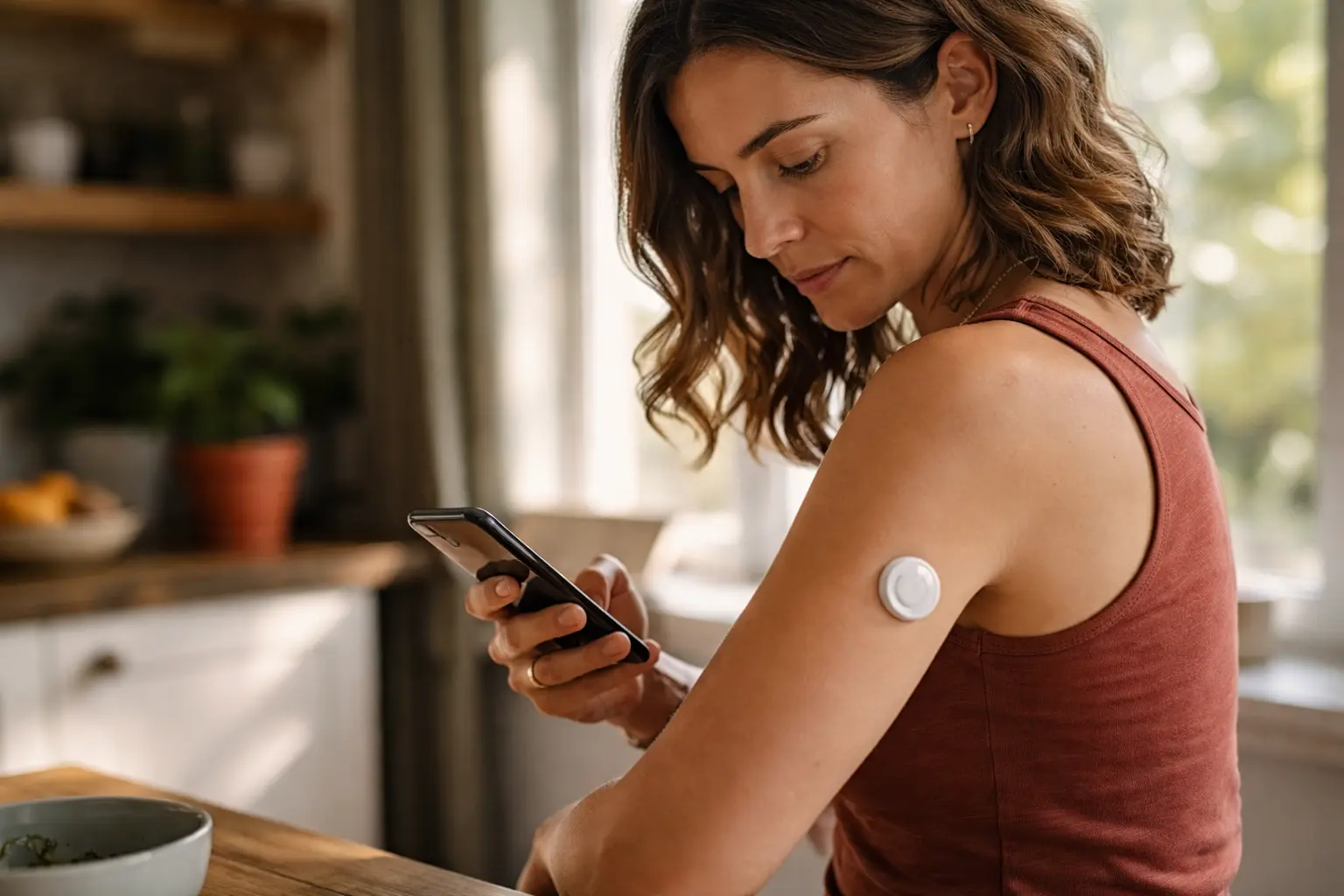
Imagine never having to wonder what your blood sugar is doing right now. Continuous glucose monitors are small, discreet sensors about the size of a coin that sit under your skin, usually on your abdomen or arm, and they work 24/7 to track your glucose levels. Instead of the old way of pricking your finger multiple times a day, a CGM sends real-time readings to your phone or a handheld receiver every few minutes. Think of it like having a tiny health assistant living on your body that never sleeps. For seniors who have spent decades managing diabetes with finger sticks, this shift feels almost miraculous. The sensor measures the glucose in your interstitial fluid, which closely mirrors your blood glucose, and uses algorithms to predict where your levels are heading. You’ll see arrows on your device showing whether your glucose is rising, falling, or staying steady, giving you the power to act before problems happen.
- CGMs offer round-the-clock monitoring, giving you peace of mind and freedom from constant finger pricks.
- They provide insights into how your body responds to food, exercise, and stress so you can spot patterns.
- Some models even predict glucose trends up to 30 minutes ahead, helping you take proactive steps to manage your levels.
The benefits of CGMs for seniors
For many seniors, getting a CGM is like reclaiming a life they thought was behind them. One retired teacher I know said she could finally attend her grandchildren’s soccer games without constantly excusing herself to check her blood sugar. The confidence that comes from knowing your levels in real-time is hard to overstate. CGMs reduce the mental burden of diabetes management because you’re not constantly guessing or worrying about what might be happening. Better control over blood sugar levels means fewer dangerous lows that can cause confusion or falls, and fewer highs that damage blood vessels over time. With customizable alerts, you can set your device to notify you only when you really need to know something, avoiding alarm fatigue. Seniors also benefit from sharing their data with family members or caregivers, who can step in quickly if levels drop unexpectedly. The trend analysis feature shows you patterns over days and weeks, helping you and your doctor make smarter decisions about medication, diet, and lifestyle adjustments.
💬 Ready to feel better in 2 minutes?choose where to begin:
Navigating the challenges of CGMs
Here’s the honest part: the first few weeks with a CGM can feel overwhelming. Getting the sensor inserted correctly takes practice, and some people experience mild discomfort or skin irritation at the insertion site. There’s a learning curve with the app or receiver, and some seniors find all the data and notifications stressful at first. A few people discover their CGM readings don’t match their fingerstick tests exactly, which creates doubt until they understand the differences between interstitial and blood glucose. Cost can be a real barrier too, though many insurance plans now cover CGMs for seniors with diabetes. Some sensors need calibrations twice daily, which means you still have to do a fingerstick, though far fewer than before. The sensor needs replacing every 10 to 14 days depending on the model, and you have to remember to order supplies ahead of time. Many seniors say that working with their doctor or a diabetes educator during the first month makes all the difference in overcoming these hurdles.
Deciding if a CGM is right for you
This decision isn’t one-size-fits-all, and that’s okay. Start by asking yourself: How often do I check my blood sugar now, and how much does it interfere with my daily life? Do I experience frequent lows that scare me or affect my activities? Am I willing to wear a small sensor on my body at all times? Can I afford it, or does my insurance cover it? Some seniors thrive with CGMs because they travel frequently or live active lives. Others prefer the simplicity of traditional testing. Talk to your doctor about whether your current glucose control is good enough or if you’re having unexplained episodes. Connect with other seniors who use CGMs and ask them real questions about their experience. Many diabetes educators offer free consultations to help you understand if a CGM fits your lifestyle, your budget, and your comfort level. There’s no shame in deciding it’s not for you right now, and you can always revisit the decision later.
Continuous Glucose Monitors offer seniors a powerful way to take control of blood sugar management with real-time data, customizable alerts, and the freedom to live more fully. While there’s a learning curve and costs to consider, many seniors find that the peace of mind and improved health outcomes make CGMs a transformative addition to their diabetes care.
How often do I need to calibrate a CGM?
The calibration frequency for CGMs varies depending on the model. Some devices require calibrations twice a day, while others may need less frequent adjustments or none at all. Your healthcare provider can guide you on the specific calibration schedule for your CGM.
Do CGMs work for all types of diabetes?
CGMs are primarily designed for individuals with Type 1 and Type 2 diabetes. While they can be beneficial for other forms of diabetes, it’s essential to consult with your healthcare team to determine if a CGM is suitable for your specific condition.
Others also read:
Disclaimer: This article is for informational purposes only and is not a substitute for professional medical advice. Always consult a healthcare professional for personal guidance.
This article presents an experience-based perspective and has been reviewed by the GlobalHealthBeacon editorial team in 2026. It provides structured, evidence-based information to support informed health decisions.
← Back to the main continuous glucose monitor explained page
