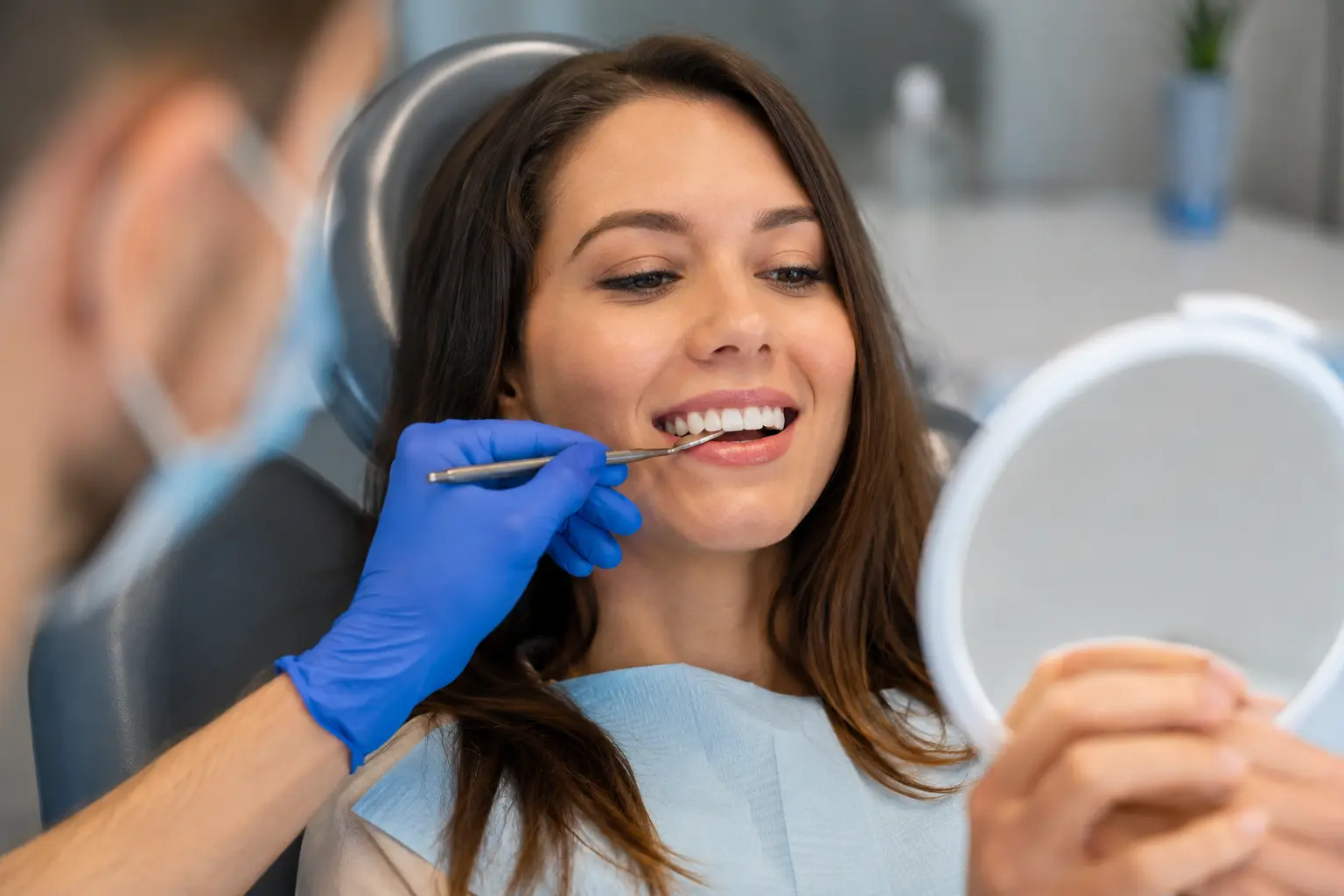
Tired of hiding your smile because of chips, cracks, or discoloration? Cosmetic dental bonding can transform your teeth in a single visit without invasive procedures or months of waiting.
What is cosmetic dental bonding?
Cosmetic dental bonding is a straightforward dental procedure where your dentist applies a tooth-colored resin material directly to your teeth to repair damage and improve appearance. Think of it as a skilled restoration that happens right in the dentist’s chair. The resin bonds to your existing tooth structure, filling in chips, covering cracks, hiding discoloration, and even correcting minor alignment issues. For seniors, this means you can address years of wear and tear without committing to extensive dental work. The procedure typically takes 30 to 60 minutes per tooth, making it ideal if you want results without disrupting your schedule. Unlike veneers or crowns, bonding preserves more of your natural tooth structure. Your dentist will match the resin color precisely to your surrounding teeth, so the repair blends seamlessly into your smile.
- Non-invasive procedure that preserves natural tooth structure
- Quick and painless treatment completed in one visit
- Natural-looking results that match your existing teeth
Benefits of dental bonding
Dental bonding offers multiple advantages that make it particularly appealing for seniors managing their dental health and budget. First, it is significantly more affordable than other cosmetic options like veneers or crowns, often costing one-third the price. Second, the procedure requires minimal tooth preparation, meaning your dentist removes little to no healthy tooth structure. This matters because preserving your natural teeth becomes increasingly important as you age. Third, bonding provides immediate results. You walk in with a chipped tooth and leave with a restored smile. Fourth, it addresses multiple concerns at once: discoloration, gaps, chips, cracks, and minor misalignment. For seniors who have experienced dental damage from years of wear, grinding, or previous treatments, bonding offers a practical solution that restores confidence without extensive commitment. The procedure is also reversible, giving you flexibility if you want to explore other options later.
📘 Fix your day in under 2 minuteschoose where to begin:
Procedure overview
Understanding what happens during your bonding appointment helps you feel prepared and at ease. Your dentist begins by examining the tooth and selecting the exact shade of resin that matches your natural teeth. Next, they gently clean and prepare the tooth surface, roughening it slightly so the resin adheres properly. This preparation is painless and requires no drilling in most cases. Your dentist then applies a conditioning liquid to the tooth, followed by the bonding resin. Using their hands and specialized tools, they carefully shape and sculpt the resin to restore the tooth’s natural contour and blend seamlessly with adjacent teeth. Once the shape is perfect, they use a special blue light to harden the resin in seconds. Finally, your dentist polishes and smooths the bonded area to match the shine and texture of your natural teeth. The entire process is quiet, comfortable, and typically completed without anesthesia unless the damage extends near the nerve.
Aftercare tips
Protecting your bonded teeth after treatment ensures they last as long as possible, typically 5 to 10 years with proper care. Immediately after your appointment, avoid eating or drinking for at least one hour while the bonding fully sets. For the first 48 hours, stay away from dark foods and beverages like coffee, red wine, and berries, as the resin can stain more easily during this initial period. Going forward, avoid biting down on hard objects such as ice, hard candy, nuts, or pen caps, as bonding material is softer than natural tooth enamel and can chip or crack. Maintain excellent oral hygiene by brushing twice daily with a soft-bristled toothbrush and flossing daily. Use a non-abrasive toothpaste to prevent scratching the bonded surface. Schedule regular dental check-ups every six months so your dentist can monitor the bonding and catch any wear early. If you grind your teeth at night, ask your dentist about a nightguard to protect your bonded teeth from stress.
Cost considerations
Dental bonding is one of the most budget-friendly cosmetic dental treatments available, making it accessible for seniors on fixed incomes. The cost typically ranges from $100 to $400 per tooth, depending on the extent of the repair and your geographic location. Urban areas and specialized cosmetic practices may charge more, while rural areas and general dentists often charge less. Unlike veneers, which can cost $800 to $2,000 per tooth, or crowns, which range from $1,000 to $3,000, bonding offers significant savings. Many dental insurance plans do not cover cosmetic bonding, but they may cover it if the damage is from an accident or decay. Before scheduling, ask your dentist for a detailed estimate and inquire about payment plans if cost is a concern. Some practices offer discounts for multiple teeth or package deals. Consider getting a second opinion if the quote seems unusually high. Remember that while bonding is affordable upfront, maintenance and eventual replacement should factor into your long-term dental budget.
Cosmetic dental bonding is a non-invasive, affordable procedure that restores your smile with natural-looking results in a single visit. The process involves applying tooth-colored resin to repair chips, cracks, discoloration, and minor alignment issues. Benefits include cost-effectiveness, minimal tooth preparation, immediate results, and reversibility. Proper aftercare including good oral hygiene, avoiding hard foods, and regular dental check-ups helps maintain bonded teeth for 5 to 10 years. Understanding the procedure, costs, and care requirements empowers you to make an informed decision about your dental health.
Is dental bonding a permanent solution?
Dental bonding is durable but not permanent. The resin typically lasts 5 to 10 years depending on your bite force, oral habits, and care. Hard chewing, grinding, and biting on objects can shorten this timeline. Your dentist can touch up or replace bonding as needed. Regular check-ups help catch wear early so you can maintain your smile without major interruption.
Does dental bonding require special maintenance?
Dental bonding does not require special maintenance beyond standard oral care. Brush twice daily with a soft-bristled toothbrush, floss daily, and visit your dentist every six months. Avoid hard foods, ice, and biting on objects. If you grind your teeth, wear a nightguard. These simple steps keep your bonded teeth in excellent condition and extend their lifespan significantly.
Others also read:
Disclaimer: This article is for informational purposes only and is not a substitute for professional medical advice. Always consult a healthcare professional for personal guidance.
This guide has been prepared and reviewed by the GlobalHealthBeacon editorial team and reflects current medical research as of 2026. It provides structured, evidence-based information to support informed health decisions.
