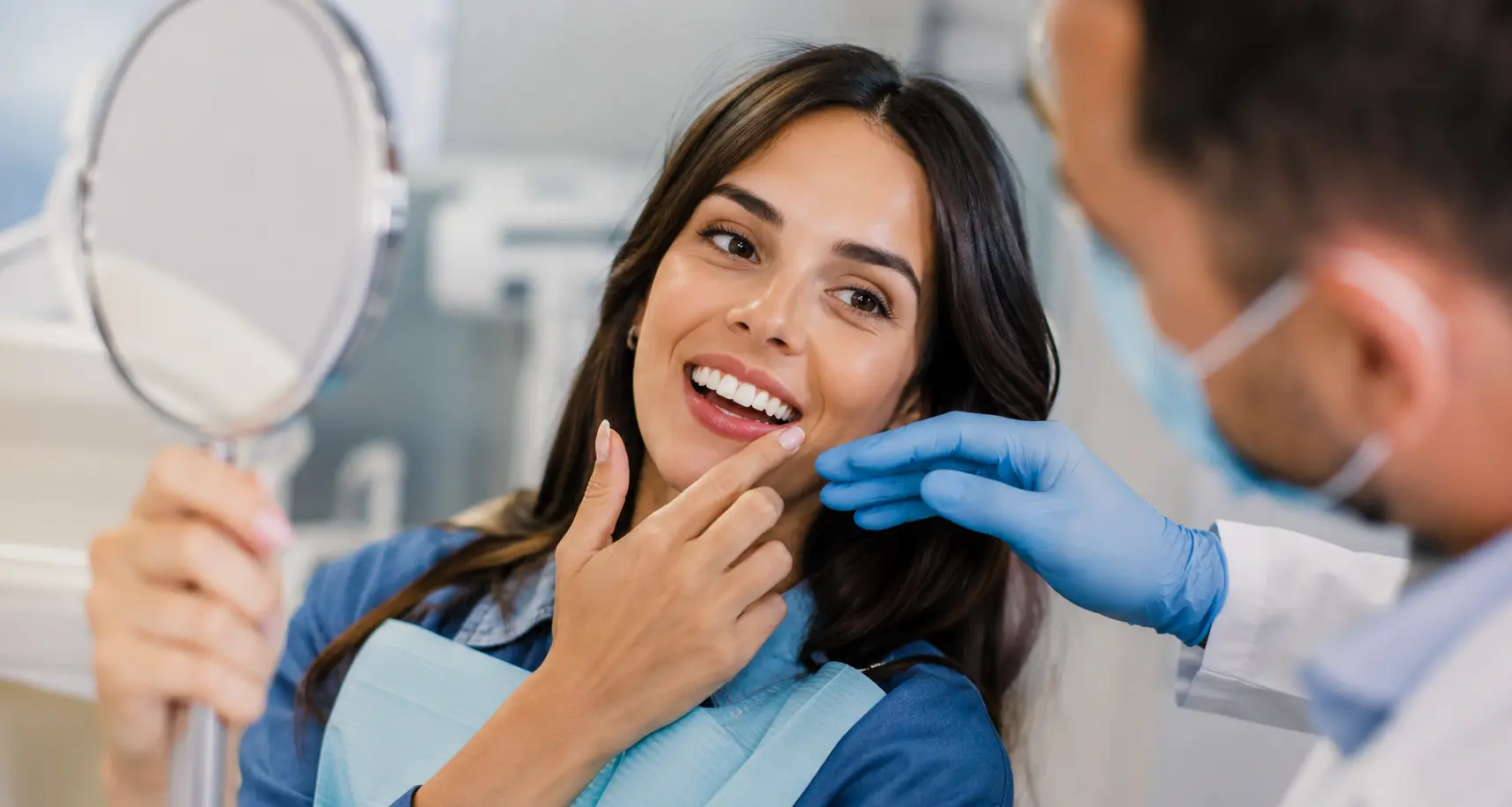
Tired of hiding your smile in photos or feeling that uncomfortable self-consciousness when you laugh? The latest cosmetic dentistry trends have made it easier and more affordable than ever to transform your teeth without spending months in a dental chair.
Teeth whitening techniques
Professional teeth whitening has evolved far beyond the basic bleaching trays your parents might remember. Today you have genuine options that fit your schedule and budget. In-office treatments deliver results in a single appointment, often whitening teeth by several shades in just 60 minutes. If you prefer a slower, more gradual approach, at-home kits from your dentist offer professional-grade results over two to three weeks. Over-the-counter strips and gels exist too, though they typically contain lower concentrations of whitening agents. Consider this scenario: you have a big event in two weeks. Professional in-office whitening gets you camera-ready fast. But if you prefer convenience and lower cost, dentist-supervised at-home kits let you whiten while watching Netflix. The key mistake most people make is expecting permanent results without maintenance. Teeth naturally yellow over time from coffee, red wine, and aging. Plan for touch-up treatments every six to twelve months to keep that brightness alive. Before starting any whitening, assess your tooth sensitivity. If cold water makes you wince, discuss sensitivity-reducing options with your dentist first.
- Consider the sensitivity of your teeth before choosing a whitening method.
- Follow the aftercare instructions to maintain your white smile for longer.
- Invest in touch-up treatments to keep your teeth looking bright and vibrant.
Innovative orthodontic solutions
The days of metal brackets dominating your smile are over. Clear aligners like Invisalign have revolutionized how young adults straighten their teeth, and they work remarkably well for mild to moderate misalignment. You wear a series of custom-made trays that gradually shift your teeth into place over 12 to 18 months. The biggest advantage? Nobody knows you are straightening your teeth unless you tell them. Lingual braces offer another discreet option, placing brackets behind your teeth where they are completely hidden. Here is a realistic scenario: imagine you are 24 and want straighter teeth before your wedding in 18 months. Clear aligners let you attend events, go on dates, and live normally without feeling self-conscious about your appearance. You simply remove them to eat and drink, then pop them back in. Compare this to traditional braces, which require dietary restrictions and make eating corn on the cob a genuine challenge. The common mistake is assuming aligners work for everyone. Severe crowding or bite issues may still require traditional braces or a combination approach. Your orthodontist will assess whether your specific situation suits clear aligners. Treatment costs vary widely, so get quotes from multiple providers before committing.
📘 Fix your day in under 2 minuteschoose where to begin:
Veneers and bonding procedures
Dental veneers and bonding are your secret weapons for fixing imperfections that whitening or straightening cannot touch. A chipped front tooth from a childhood accident, a gap between your front teeth, or a tooth that is slightly discolored despite whitening efforts all respond beautifully to these procedures. Bonding involves applying tooth-colored resin directly to your tooth and shaping it to perfection. It is quick, affordable, and reversible, making it ideal for young adults testing the waters of cosmetic dentistry. Veneers are thin shells of porcelain or composite material that cover the front surface of your teeth, creating a completely new appearance. Picture this: you have a small chip on your front tooth that has bothered you for years. Bonding takes one appointment and costs a fraction of veneers. Your dentist applies resin, sculpts it to match your natural tooth shape, and you leave looking flawless. If you want a more dramatic transformation or have multiple imperfections, veneers deliver a Hollywood-level result that lasts 10 to 15 years with proper care. The mistake many people make is choosing veneers without exploring bonding first. Bonding is less invasive and lets you see if you like the new look before committing to permanent veneers. Always consult with a cosmetic dentist who shows you before-and-after photos of their actual patients.
Gum contouring and reshaping
Sometimes the issue is not your teeth but the amount of gum showing when you smile. A gummy smile, where excessive gum tissue dominates your smile line, affects confidence more than many people realize. Gum contouring uses a laser or scalpel to carefully remove excess tissue and reshape your gum line, revealing more of your teeth and creating better proportions. The procedure takes 30 to 60 minutes depending on how much reshaping is needed. Recovery is quick, with minimal discomfort and visible results within two weeks as swelling subsides. Consider this real situation: you are 26 and have always felt your smile looked too gummy compared to your friends. A single gum contouring procedure transforms your smile by revealing more tooth surface and creating a more balanced appearance. The results are permanent, so you do not need ongoing maintenance like whitening or aligners. The common mistake is assuming gum contouring is purely cosmetic. In some cases, excess gum tissue can make cleaning your teeth harder, so addressing it also improves oral health. A skilled periodontist or cosmetic dentist can assess whether contouring is right for you and design a gum line that complements your face shape and smile.
Routine dental care tips
All the cosmetic improvements in the world fade fast without solid daily habits. Your newly whitened teeth, straightened smile, or veneers only stay beautiful if you protect them. Brush twice daily with a soft-bristled toothbrush, floss every single day, and rinse with mouthwash to catch bacteria your brush misses. Limit sugary snacks and acidic drinks like soda and energy drinks, which erode enamel and stain teeth. Coffee and red wine are fine in moderation, but rinse your mouth afterward. Smoking is a smile killer, staining teeth and accelerating gum disease, so if you smoke, quitting benefits your teeth and overall health dramatically. Schedule dental check-ups every six months so your dentist catches problems early before they become expensive. Think of it this way: you invested time and money into improving your smile. Protecting that investment takes just five minutes daily. Young adults who commit to these habits keep their smiles looking fresh for decades. The mistake most people make is neglecting floss, assuming brushing alone is enough. Floss removes plaque between teeth where your toothbrush cannot reach, preventing decay and gum disease. Make it a non-negotiable part of your routine, like brushing your teeth.
Your smile is one of the first things people notice about you, and modern cosmetic dentistry gives you real control over how it looks. Whether you choose teeth whitening for brightness, clear aligners for straightness, veneers for perfection, or gum contouring for balance, options exist for every budget and timeline. The key is choosing procedures that align with your goals and committing to the daily habits that keep your results looking fresh. Start by consulting a cosmetic dentist who listens to your concerns and shows you realistic expectations with before-and-after photos.
Are at-home teeth whitening kits safe to use?
At-home teeth whitening kits can be safe when used as directed. However, it is essential to follow the instructions carefully to avoid potential sensitivity issues or damage to your teeth. Dentist-supervised kits are safer than over-the-counter options because they use professional-grade formulas and custom trays that fit your teeth properly. If you have sensitive teeth, talk to your dentist about sensitivity-reducing treatments before starting any whitening regimen.
How long do dental veneers typically last?
With proper care and maintenance, dental veneers can last up to 10 to 15 years. Regular dental check-ups and good oral hygiene habits are crucial for ensuring the longevity of your veneers. Avoid biting hard objects like ice or pen caps, which can chip veneers. If a veneer does crack or chip, your dentist can replace just that one veneer rather than redoing your entire smile.
Others also read:
Disclaimer: This article is for informational purposes only and is not a substitute for professional medical advice. Always consult a healthcare professional for personal guidance.
This guide has been prepared and reviewed by the GlobalHealthBeacon editorial team and reflects current medical research as of 2026. It provides structured, evidence-based information to support informed health decisions.
