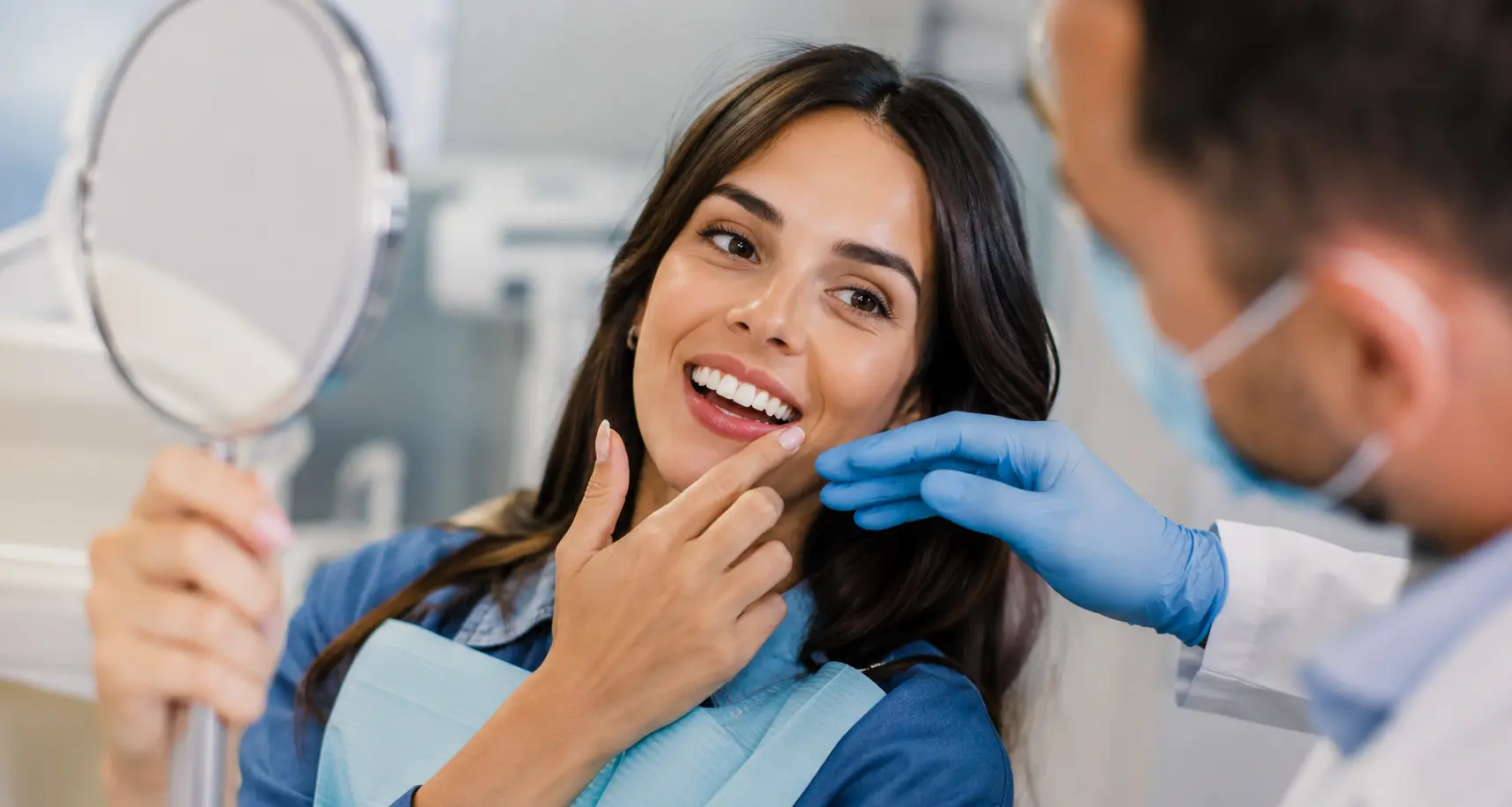
Tired of hiding your smile in photos or feeling self-conscious when you laugh? The cosmetic dentistry trends reshaping how young adults approach their teeth are finally making professional smile transformations accessible, affordable, and actually worth your time.
Teeth whitening
Professional teeth whitening has become the gateway treatment for young adults looking to refresh their appearance without major commitment. Whether your teeth have yellowed from years of coffee addiction, red wine weekends, or just natural aging, whitening offers immediate visible results that boost confidence fast. In-office treatments work by applying concentrated bleaching agents under professional supervision, typically lightening teeth by several shades in a single 30 to 60-minute session. Take-home kits provide a gentler alternative, delivering results over two to three weeks with custom trays fitted by your dentist. Many young adults appreciate the flexibility of at-home options since they fit around work and social schedules. The key mistake people make is using over-the-counter strips without professional guidance, which often leads to uneven results or tooth sensitivity. Real results come from professional-grade formulations and proper application technique. Touch-ups every six to twelve months keep your smile bright without the need for repeated full treatments.
- Professional whitening treatments are safe and effective when performed by qualified dental professionals.
- Options include in-office treatments for quick results or take-home kits for a more gradual approach.
- Regular touch-ups can help maintain a bright smile over time.
Veneers and bonding
Veneers and bonding address structural imperfections that whitening alone cannot fix. Imagine you have a chipped front tooth from a sports accident years ago, or your lateral incisors are slightly smaller than your central teeth, creating an unbalanced appearance. Composite bonding involves applying tooth-colored resin directly to your existing tooth, sculpting it to match your desired shape and size. The procedure takes one appointment and costs significantly less than veneers, making it popular with budget-conscious young adults. Porcelain veneers offer a more permanent solution, involving a thin shell bonded to the front of your tooth after minimal tooth preparation. They resist staining better and last 10 to 15 years with proper care. Many young adults choose bonding first to test their new smile design before committing to veneers. A common mistake is rushing into veneers without exploring bonding or digital smile design first. Your dentist should show you exactly how your teeth will look before any irreversible work begins, ensuring you feel confident about the transformation.
📘 Fix your day in under 2 minuteschoose where to begin:
Invisalign clear aligners
Clear aligners represent a major shift in how young adults approach teeth straightening. Traditional braces mean visible metal brackets and wires for years, which many adults find unappealing. Invisalign uses a series of custom-made plastic trays that gradually shift your teeth into alignment over 12 to 24 months. You wear each set for about two weeks before moving to the next, and you can remove them to eat, drink, and clean your teeth normally. This flexibility appeals to young professionals who attend client meetings or social events regularly. The trays are nearly invisible, so most people won’t notice you’re undergoing treatment. Results depend heavily on compliance, meaning you must wear the aligners 20 to 22 hours daily. Young adults who treat them like optional accessories rather than committed tools often experience slower progress or incomplete results. The investment ranges from 3,000 to 8,000 dollars depending on complexity, but many find the confidence boost and improved oral health worth every penny.
Gum contouring
Gum contouring addresses a concern many young adults don’t realize they have until they see it corrected. A gummy smile, where excessive gum tissue shows when you smile, can make your teeth appear shorter and throw off your facial proportions. Conversely, uneven gum lines where one tooth sits higher than its neighbor create visual imbalance. Gum contouring uses laser or scalpel techniques to reshape your gum line, exposing more tooth surface and creating symmetry. The procedure takes 30 to 60 minutes depending on how much contouring is needed. Recovery involves mild discomfort and swelling for a few days, with full healing in two to three weeks. Young adults often combine gum contouring with other treatments like veneers or whitening to achieve a complete smile transformation. A hypothetical scenario: you’ve always felt your smile looked too gummy, so you avoided smiling in photos. After contouring, your teeth appear longer and more proportional, and you finally feel comfortable showing your full smile. The results are permanent, making this a one-time investment in your confidence.
Digital smile design
Digital smile design represents the planning phase that should precede any cosmetic dental work. Your dentist uses specialized software to create a digital mock-up of your smile after treatment, showing you exactly what your teeth will look like before any procedures begin. This technology considers your facial proportions, lip line, and existing tooth color to design a smile that complements your unique features rather than imposing a generic standard. Young adults appreciate seeing the preview because it removes guesswork and anxiety about whether they’ll like the results. The process involves taking photos and measurements, then digitally adjusting tooth shape, size, color, and position until you approve the design. Some dentists use augmented reality to overlay the digital design onto your face in real time, giving you an incredibly realistic preview. This prevents costly mistakes like choosing a shade that looks unnatural on your skin tone or tooth shapes that don’t suit your face. Many young adults wish they’d used digital smile design before jumping into treatments, as it would have saved them from dissatisfaction. Using this technology first ensures every treatment decision aligns with your vision and expectations.
Young adults have more cosmetic dentistry options than ever before, from simple whitening to comprehensive smile redesigns using digital planning. Teeth whitening offers quick confidence boosts, while bonding and veneers correct structural imperfections. Clear aligners straighten teeth discreetly, gum contouring balances your smile proportions, and digital smile design ensures every treatment matches your vision. Start by consulting a cosmetic dentist who can assess your goals and recommend a treatment plan tailored to your needs and budget.
Are cosmetic dentistry treatments painful?
Most cosmetic dentistry treatments are minimally invasive and relatively painless, with options for local anesthesia to ensure your comfort during procedures. Teeth whitening causes minimal discomfort, bonding and veneers involve slight pressure but no pain, and clear aligners cause mild pressure rather than pain. Gum contouring may involve some discomfort during the procedure, but anesthesia keeps you comfortable. Recovery discomfort is typically mild and manageable with over-the-counter pain relief if needed.
How long do cosmetic dentistry results last?
The longevity of cosmetic dentistry results varies depending on the treatment, maintenance, and individual factors, but most procedures offer long-lasting improvements with proper care. Teeth whitening lasts 6 to 12 months before touch-ups are needed. Composite bonding lasts 5 to 7 years, while porcelain veneers last 10 to 15 years. Clear aligners provide permanent results once treatment is complete, though wearing a retainer prevents teeth from shifting. Gum contouring results are permanent. Proper oral hygiene and regular dental visits extend the lifespan of all treatments.
Others also read:
Disclaimer: This article is for informational purposes only and is not a substitute for professional medical advice. Always consult a healthcare professional for personal guidance.
This guide has been prepared and reviewed by the GlobalHealthBeacon editorial team and reflects current medical research as of 2026. It provides structured, evidence-based information to support informed health decisions.
