Your gums bleed when you brush, your breath smells off, and you’re worried something serious is happening – that nagging feeling is your body telling you that a deep cleaning dental procedure might be exactly what you need to turn things around.
The biology behind gum disease
Gum disease, medically known as periodontitis, develops when bacteria in your mouth multiply unchecked and form sticky colonies called plaque. Think of plaque as an invisible film that hardens into tartar if left undisturbed. Your immune system responds to this bacterial invasion by triggering inflammation, which is why your gums become red, swollen, and tender. Over time, this chronic inflammatory response can damage the periodontal ligaments and bone that anchor your teeth. For seniors, this process often accelerates because natural changes in saliva production and immune function make the mouth more vulnerable. Understanding this progression helps explain why early intervention matters so much and why your dentist emphasizes the importance of addressing these warning signs before they advance.
Deep cleaning dental procedure overview
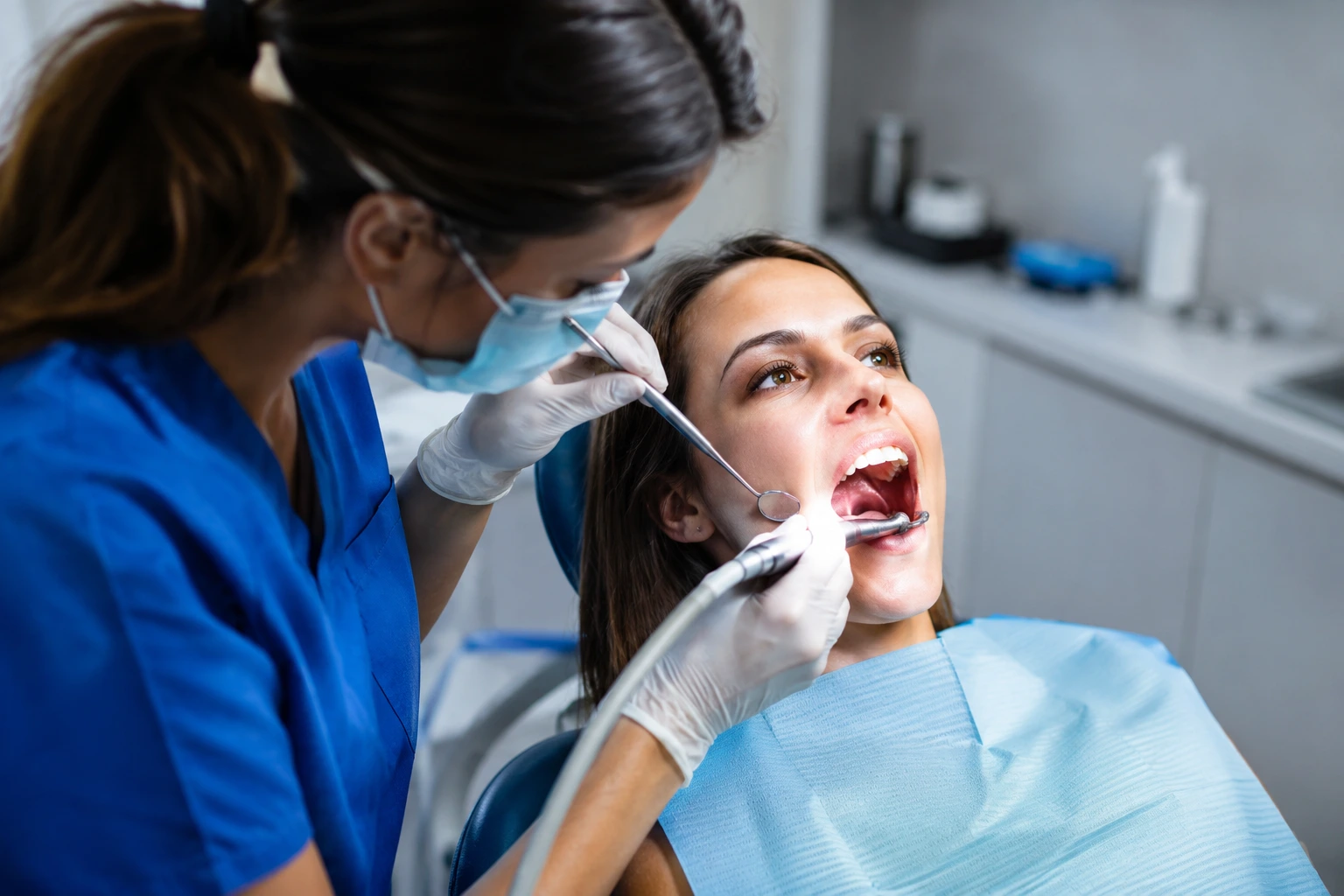
A deep cleaning, technically called scaling and root planing, is a non-surgical intervention that targets bacteria and buildup beneath your gumline where regular brushing cannot reach. During this procedure, your dental professional uses specialized ultrasonic and hand instruments to carefully remove hardened tartar and bacterial deposits from tooth surfaces and the roots below the gum tissue. The goal is to create an environment where your gums can reattach to your teeth and healing can begin. Unlike a standard cleaning that focuses on visible tooth surfaces, deep cleaning addresses the pockets that form between teeth and gums when disease progresses. For many seniors, this procedure represents a turning point because it removes the source of ongoing irritation and allows the body’s natural healing mechanisms to work effectively. The procedure typically requires one or more appointments depending on the severity of your condition.
Key steps in deep cleaning dental procedure
The deep cleaning process follows a logical sequence designed to thoroughly address gum disease. First, your dentist evaluates the extent of disease by measuring pocket depths and assessing bone loss through examination and imaging. This assessment determines how many appointments you’ll need and which areas require the most attention. During the scaling phase, your dental professional uses ultrasonic scalers that vibrate at high frequencies to break apart tartar deposits, followed by hand instruments for precision work in sensitive areas. This step can feel like gentle scraping and you may hear a high-pitched humming sound. Next comes root planing, where rough spots on tooth roots are smoothed to discourage bacterial recolonization and promote gum reattachment. Many patients describe this as feeling like someone is carefully polishing the root surfaces. Local anesthesia is typically applied to keep you comfortable throughout, and your dentist may apply antimicrobial solutions to further reduce bacterial load. The entire process is meticulous and requires expertise to avoid damaging the tooth structure while thoroughly removing disease-causing deposits.
- Evaluation of gum health and pocket depth measurement
- Scaling to remove plaque and tartar with ultrasonic and hand instruments
- Root planing to smooth root surfaces and promote healing
🔬 Science-backed benefits in 2 minuteschoose where to begin:
Scientific evidence supporting deep cleaning
Decades of clinical research consistently demonstrate that scaling and root planing effectively reduces gum inflammation, controls bacterial populations, and halts progression of bone loss in most patients. Studies show that patients who undergo deep cleaning experience measurable improvements in pocket depth reduction and attachment gain within weeks. The procedure works by removing the bacterial biofilm that drives the inflammatory response, allowing your immune system to regain control. Research also indicates that deep cleaning can prevent tooth loss in moderate to advanced gum disease cases when combined with proper home care. For seniors specifically, studies show that this intervention remains effective even in older adults, though healing may proceed at a slightly slower pace. The evidence is particularly strong for preventing systemic complications linked to untreated periodontitis, including cardiovascular issues and diabetes management challenges. Multiple systematic reviews and meta-analyses support deep cleaning as a foundational treatment approach, making it one of the most evidence-based procedures in dentistry.
Long-term benefits of deep cleaning
Beyond the immediate relief of reduced inflammation and bleeding gums, deep cleaning sets the stage for lasting oral health improvements. Patients who maintain their teeth after treatment experience significantly lower rates of tooth loss compared to those who skip the procedure. Your gums stabilize at healthier levels, pockets shrink, and the risk of recurrent infection drops substantially when you follow recommended maintenance visits. Many seniors report improved confidence in their smile and easier eating once healing is complete. The procedure also reduces your risk of serious systemic health complications associated with chronic gum disease, including heart disease, stroke, and diabetes complications. Long-term studies show that people who receive deep cleaning and maintain good oral hygiene enjoy better overall health outcomes. The key to sustaining these benefits is consistent follow-up care, typically every three to four months depending on your individual risk factors, combined with diligent daily brushing and flossing. Think of deep cleaning as resetting your oral health foundation, but the long-term success depends on the habits you build afterward.
Future directions in gum disease treatment
The field of periodontics continues advancing with exciting innovations that promise even better outcomes for gum disease patients. Researchers are developing personalized treatment plans based on genetic factors and individual bacterial profiles, allowing dentists to tailor interventions more precisely to each patient’s needs. Advanced diagnostic tools like digital imaging and genetic testing help identify disease risk before symptoms appear, enabling preventive action. Novel treatment modalities including regenerative therapies, antimicrobial peptides, and laser-assisted procedures are showing promise in clinical trials. For seniors, these emerging approaches offer hope for better outcomes with potentially less invasive procedures. Staying informed about these developments empowers you to have meaningful conversations with your dental team about the most current options available. Many of these innovations are already available at progressive dental practices, so asking your dentist about cutting-edge treatments is worthwhile. The trajectory of periodontal care is moving toward precision medicine and prevention, which means the future holds better tools for protecting your teeth throughout your later years.
Deep cleaning dental procedures represent a scientifically validated approach to treating gum disease and preventing tooth loss. For seniors concerned about their oral health, understanding how these procedures work and committing to regular maintenance visits can mean the difference between keeping your natural teeth and facing more complex dental challenges. The evidence is clear: deep cleaning works, and the long-term benefits extend far beyond your mouth.
Are deep cleaning procedures painful?
Deep cleaning procedures typically cause minimal discomfort because dentists apply local anesthesia before beginning. You may feel pressure and vibration from the instruments, but not pain. Some patients experience mild sensitivity in the days following treatment, which usually resolves quickly. If you have anxiety about dental procedures, discussing sedation options with your dentist beforehand can help you feel more comfortable.
How often should I undergo deep cleaning for gum disease?
The frequency depends entirely on your individual situation, including disease severity, your body’s healing response, and how well you maintain oral hygiene at home. Most patients need initial deep cleaning followed by maintenance visits every three to four months. Your dentist will assess your progress and adjust the schedule based on your specific needs. Some people with well-controlled disease may transition to standard cleanings, while others require ongoing deep cleaning maintenance.
Others also read:
Disclaimer: This article is for informational purposes only and is not a substitute for professional medical advice. Always consult a healthcare professional for personal guidance.
This article has been prepared and reviewed by the GlobalHealthBeacon editorial team and is based on current medical research and published scientific literature available in 2026. It provides structured, evidence-based information to support informed health decisions.
