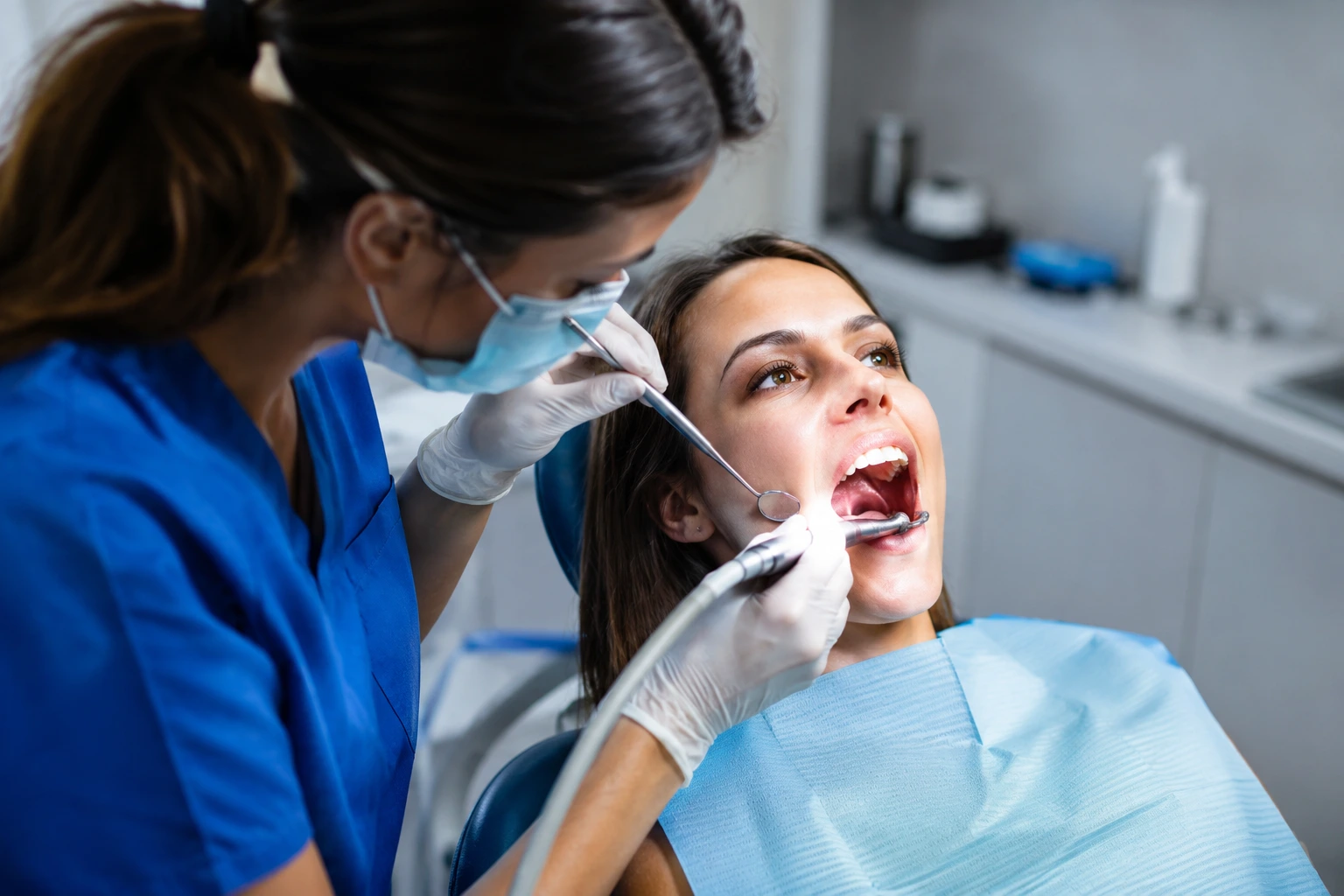
Your gums are bleeding when you floss, your breath feels off no matter how much you brush, and you have a nagging feeling something’s not right with your teeth, so you finally ask your dentist about a deep cleaning dental procedure and realize this might be exactly what you’ve been missing.
The importance of deep cleaning
Deep cleaning, medically known as scaling and root planing, represents a targeted intervention that goes far beyond what your regular toothbrush can accomplish at home. Imagine your teeth as having two distinct zones: the visible crown above the gum line and the root surface tucked beneath. When gum disease develops, pockets form between your tooth and gum tissue, creating hidden spaces where bacteria colonize and multiply unchecked. These pockets can range from mild inflammation to severe periodontal disease if left untreated. A deep cleaning procedure specifically addresses this problem by accessing and cleaning these subgingival areas that daily brushing and flossing simply cannot reach effectively. For many women, especially those in their 40s and 50s, hormonal changes can increase susceptibility to gum disease, making this procedure particularly relevant. The procedure essentially resets your gum health by removing the bacterial biofilm and calcified deposits that have accumulated below the gum line, allowing your tissues to heal and reattach to your teeth.
Scientific basis of deep cleaning
The biological mechanism behind deep cleaning is well-documented in dental literature. When bacteria and their byproducts accumulate in subgingival pockets, they trigger an inflammatory response in your gum tissue. This inflammation causes the gum to separate further from the tooth, creating a vicious cycle where the pocket deepens and more bacteria accumulate. Research demonstrates that scaling and root planing mechanically disrupts this biofilm and removes calculus, which is hardened plaque that cannot be removed by brushing alone. Studies using periodontal probing and clinical attachment level measurements show that deep cleaning can reduce pocket depths by 2 to 3 millimeters on average, with some cases showing even greater improvement. The procedure also removes endotoxins from the root surface, which are bacterial toxins that perpetuate inflammation. For women specifically, studies indicate that hormonal fluctuations during menopause can amplify the inflammatory response to plaque, making the benefits of deep cleaning even more pronounced during this life stage. The evidence consistently shows that this mechanical removal of bacterial deposits allows your body’s natural healing processes to take over.
Research findings on deep cleaning
Contemporary research has expanded our understanding of deep cleaning beyond just local gum benefits. Multiple longitudinal studies have documented that periodontal disease is associated with systemic conditions including cardiovascular disease, type 2 diabetes, and respiratory infections. The proposed mechanism involves bacterial translocation and inflammatory mediators entering the bloodstream through diseased gum tissue. When deep cleaning successfully reduces periodontal inflammation, it may indirectly reduce systemic inflammatory markers. A landmark study published in the Journal of Periodontology followed women over five years and found that those who received regular deep cleanings combined with maintenance therapy showed significantly better gum health outcomes and fewer systemic complications. The research also reveals that the timing matters: women who address gum disease early, before it progresses to advanced periodontitis, experience better treatment outcomes and require less invasive interventions long-term. Additionally, studies show that deep cleaning can help stabilize bone loss around teeth, which is crucial for long-term tooth retention. The evidence suggests that viewing deep cleaning as a preventive investment in both oral and overall health is scientifically justified.
- Schedule a consultation with your dentist to assess your gum health through probing measurements and possibly X-rays to determine if deep cleaning is necessary for your specific situation.
- During the procedure, expect the dentist or hygienist to use specialized instruments called scalers and curettes to systematically remove plaque and tartar both above and below the gum line, working through each tooth surface methodically.
- Follow up with regular dental visits typically every three to four months initially, combined with meticulous daily oral hygiene including brushing twice daily, flossing, and possibly antimicrobial rinses to maintain the benefits achieved.
🔬 Science-backed benefits in 2 minuteschoose where to begin:
The role of gum health in overall wellness
Your gums are not isolated structures; they are living tissue with direct access to your bloodstream through numerous blood vessels. When gum tissue becomes chronically inflamed due to periodontal disease, it creates a gateway for bacterial products and inflammatory molecules to enter circulation. Research in women specifically shows that periodontal disease is associated with increased risk of preterm birth and low birth weight in pregnant women, making gum health particularly relevant during reproductive years. Beyond pregnancy, studies indicate that women with untreated periodontal disease have higher levels of inflammatory markers like C-reactive protein, which is linked to cardiovascular disease risk. The connection between gum disease and diabetes is bidirectional: diabetes increases susceptibility to gum disease, while gum disease can worsen blood sugar control. By maintaining healthy gums through deep cleaning and ongoing care, you are essentially reducing chronic inflammation throughout your body. Women who prioritize gum health often report improved overall wellness, better energy levels, and reduced systemic inflammation markers in follow-up blood work.
Preventive measures for optimal oral health
Deep cleaning is a therapeutic intervention, but prevention remains the most effective long-term strategy. After your deep cleaning procedure, your gum health depends almost entirely on your daily habits and professional maintenance. Brushing twice daily with a soft-bristled toothbrush using gentle circular motions is fundamental, but many women miss the critical step of flossing daily, which removes plaque from areas between teeth where brushes cannot reach. Water flossers or interdental brushes can be excellent alternatives if traditional flossing feels difficult or uncomfortable. Using an antimicrobial mouthwash recommended by your dentist can help reduce bacterial load, particularly in the first weeks after deep cleaning when tissues are healing. Regular dental check-ups every three to four months initially, then typically every six months for maintenance, allow your dentist to monitor healing and catch any signs of disease recurrence early. Lifestyle factors matter too: smoking significantly impairs gum healing and increases disease risk, while stress management and adequate sleep support immune function and tissue repair. Dietary choices, particularly reducing sugary foods and beverages that feed harmful bacteria, contribute substantially to long-term gum health maintenance.
The future of deep cleaning research
Dental science continues to evolve, with emerging research exploring adjunctive therapies that enhance deep cleaning outcomes. Studies are investigating the use of antimicrobial agents, laser therapy, and regenerative materials that may be applied during or after deep cleaning to improve healing and potentially regenerate lost bone and tissue. Genetic research is revealing why some women are more susceptible to periodontal disease despite similar oral hygiene habits, which may eventually allow for personalized treatment approaches. Long-term studies are also examining the systemic health benefits of deep cleaning in specific populations, including postmenopausal women who experience accelerated bone loss. Researchers are developing better biomarkers to predict which patients will respond best to deep cleaning and which may require more aggressive interventions. As our understanding of the oral microbiome expands, future deep cleaning protocols may be tailored to restore beneficial bacteria while eliminating pathogenic species. Staying informed about these developments empowers you to have more sophisticated conversations with your dental provider and make evidence-based decisions about your oral care strategy.
Deep cleaning, supported by substantial scientific evidence, plays a vital role in managing periodontal disease and promoting gum health. Research demonstrates its effectiveness in reducing bacterial deposits, decreasing pocket depths, and potentially lowering systemic inflammation. For women, understanding the connection between gum health and overall wellness makes this procedure particularly relevant at different life stages.
Is deep cleaning a painful procedure?
Deep cleaning may cause some discomfort due to the nature of the treatment, but your dentist can use local anesthesia to ensure a more comfortable experience. Many patients report that any discomfort is manageable and temporary, resolving within a few days as tissues begin healing.
How often should deep cleaning be done?
The frequency of deep cleanings depends on individual oral health needs and the severity of your periodontal disease. Your dentist will recommend a schedule based on the condition of your gums and teeth, typically ranging from one-time treatment to periodic maintenance cleanings every three to four months.
Others also read:
Disclaimer: This article is for informational purposes only and is not a substitute for professional medical advice. Always consult a healthcare professional for personal guidance.
This article has been prepared and reviewed by the GlobalHealthBeacon editorial team and is based on current medical research and published scientific literature available in 2026. It provides structured, evidence-based information to support informed health decisions.
