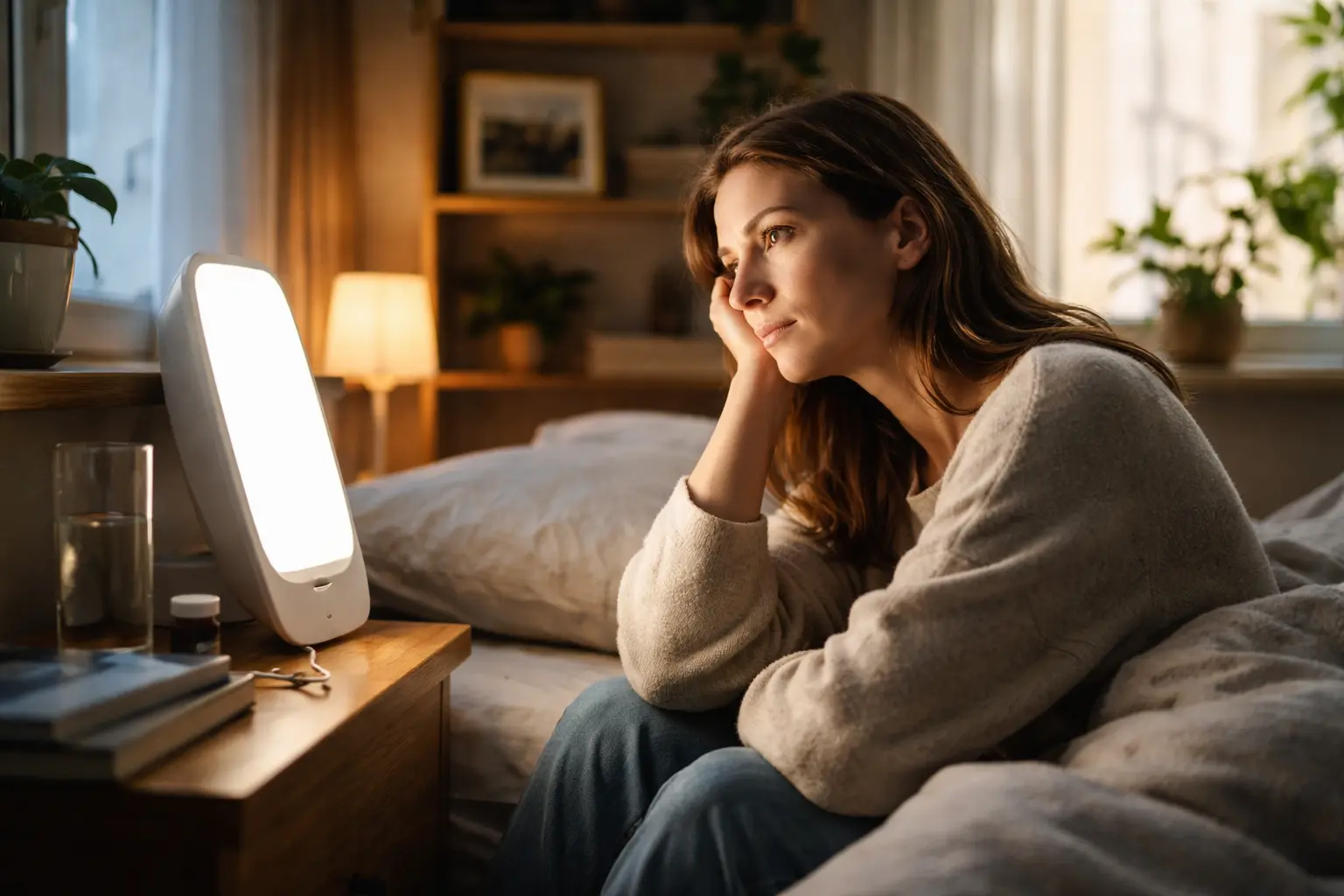
You wake up, it’s dark outside, and that heaviness settles in your chest again – does a daylight lamp work against depression, or is it just another wellness trend that won’t actually help you feel better?
Benefits of daylight lamps
Daylight lamps work by mimicking the natural light spectrum your body craves, especially during shorter winter months when sunlight becomes scarce. For seniors, this matters more than you might think. Your circadian rhythm, the internal clock that regulates sleep and mood, becomes more sensitive with age. When you sit in front of a daylight lamp, you’re essentially telling your brain it’s daytime, which triggers the production of serotonin and suppresses melatonin production at the right times. This can lift that gray cloud feeling that often comes with seasonal affective disorder. Beyond mood, many seniors report feeling more energized, sleeping better at night, and experiencing fewer afternoon energy crashes. Think of it as giving your body permission to wake up and engage with the day, even when the weather outside keeps you indoors.
- Enhances mood and energy levels naturally
- Alleviates symptoms of SAD and winter depression
- Regulates sleep-wake cycle for better rest
- Increases daytime alertness without caffeine dependence
Factors to consider
Choosing the right daylight lamp requires understanding a few key specifications that actually matter for your comfort and results. Light intensity, measured in lux, tells you how bright the lamp is – most effective lamps for seniors range from 2,500 to 10,000 lux. Start lower if you’re sensitive to bright light. Color temperature, measured in Kelvin, determines whether the light feels warm or cool. For morning use, aim for 5,000 to 6,500K, which mimics natural daylight. Size matters too because you want the lamp positioned at eye level without straining your neck. Look for adjustable settings so you can customize brightness and angle based on your comfort. A common mistake is buying the cheapest option and then using it inconsistently because it causes eye strain or feels uncomfortable. Invest in quality with features you’ll actually use daily.
📘 Fix your day in under 2 minuteschoose where to begin:
Top daylight lamp picks
The Verilux HappyLight stands out for seniors because it offers multiple intensity levels and a compact footprint that fits on most nightstands or desks. The Circadian Optics Lumine provides excellent value with solid 10,000 lux output and a flexible gooseneck design that lets you position it exactly where you need it. The Carex Day-Light Classic Plus is often recommended by occupational therapists for older adults because it’s sturdy, has intuitive controls, and the light spreads evenly without harsh glare. Each has received consistent five-star reviews from seniors who specifically mention feeling more alert and less irritable within two weeks of regular use. When comparing, read reviews from people in your age group rather than relying solely on general ratings. What works for a 30-year-old might not suit your needs as well.
Using your daylight lamp
Proper placement and timing make the difference between a lamp that transforms your mornings and one that sits unused on a shelf. Position your lamp at eye level, about 16 to 24 inches away from your face, angled slightly downward so light hits your eyes without causing glare. Use it for 20 to 30 minutes each morning, ideally within an hour of waking up. This timing aligns with your body’s natural light sensitivity window when your circadian rhythm is most responsive. Many seniors find success by using their lamp while eating breakfast, reading the news, or doing gentle stretches. Consistency matters more than intensity – using your lamp at the same time every day trains your body to expect and respond to that light signal. Avoid using it after 3 PM as it can interfere with evening melatonin production and sleep quality. Track your mood and energy for two to three weeks before deciding if it’s working for you.
Final thoughts
A daylight lamp isn’t a magic cure, but it’s a legitimate tool that many seniors find genuinely helpful for managing seasonal mood changes and low energy. The key is choosing one that fits your lifestyle and committing to regular use rather than expecting immediate results from sporadic sessions. Think of it like any health habit – the consistency matters more than the equipment itself. Start with realistic expectations, give it at least three weeks of daily use, and pay attention to subtle shifts in your mood and sleep quality. If you’re dealing with clinical depression, use the lamp alongside professional support rather than as a replacement. Your investment in better lighting is an investment in your daily quality of life, and for many seniors, that payoff is absolutely worth it.
Daylight lamps offer genuine benefits for seniors managing winter blues and seasonal affective disorder by regulating circadian rhythm and boosting serotonin production. Selecting a lamp with appropriate lux levels and color temperature, using it consistently each morning, and maintaining realistic expectations can lead to noticeable improvements in mood, energy, and sleep quality within weeks.
Are daylight lamps safe for seniors?
Yes, daylight lamps are safe for seniors when used as directed. They emit UV-free light that mimics natural sunlight without harmful radiation. However, if you have eye conditions like macular degeneration or take medications that increase light sensitivity, consult your doctor before starting.
Can daylight lamps replace medication for depression?
Daylight lamps can be used as a complementary therapy for depression and seasonal affective disorder, but they should not replace prescribed medication or professional mental health treatment. Work with your healthcare provider to determine how light therapy fits into your overall treatment plan.
Others also read:
Disclaimer: This article is for informational purposes only and is not a substitute for professional medical advice. Always consult a healthcare professional for personal guidance.
This guide has been prepared and reviewed by the GlobalHealthBeacon editorial team and reflects current medical research as of 2026. It provides structured, evidence-based information to support informed health decisions.
← Go to the does a daylight lamp work against depression main guide
