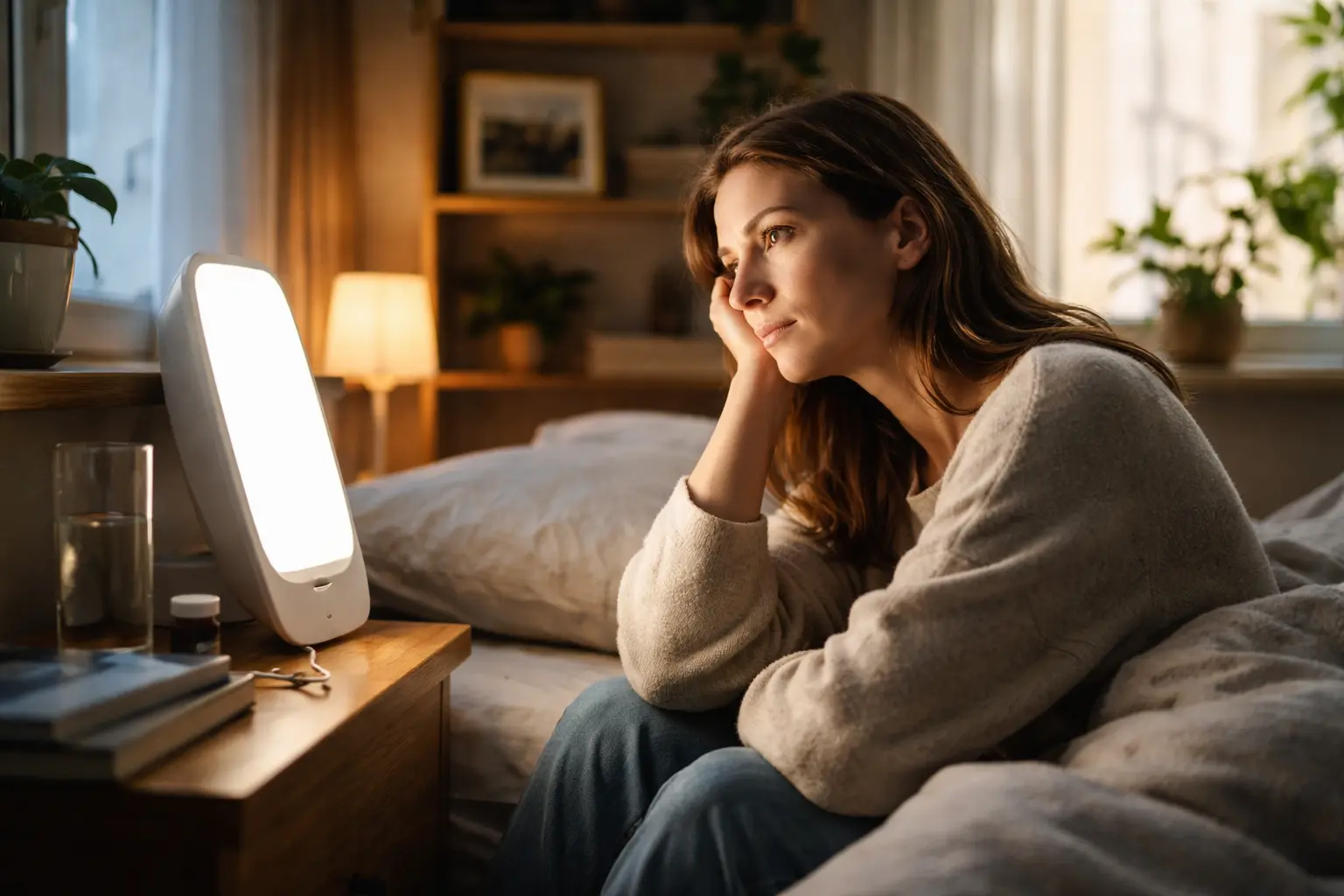
You wake up at 6 AM but the world still feels dark, heavy, and pointless, and you wonder if does a daylight lamp work against depression because nothing else seems to lift this fog anymore.
Understanding the impact of light on depression
Think about the last time you felt genuinely energized. Chances are, sunlight played a role in that moment. Scientific research has consistently shown that exposure to specific types of light, particularly the kind emitted by daylight lamps, can meaningfully influence mood and reduce symptoms of depression in many individuals. Here’s what happens: light enters your eyes and travels to a region of your brain called the suprachiasmatic nucleus, which acts like your body’s master clock. This tiny but powerful area regulates your internal circadian rhythm and directly influences the production of neurotransmitters that affect mood. When seniors experience reduced daylight exposure due to spending more time indoors or living in regions with shorter winter days, this system gets disrupted. The result is often a cascade of mood changes, fatigue, and that persistent sense of heaviness. Light therapy works by essentially resetting this biological clock, helping your brain remember how to produce the right chemicals at the right times.
The science behind light therapy
Daylight lamps are engineered to emit light that closely mimics natural sunlight, typically in the 10,000 lux range, which is significantly brighter than standard indoor lighting. When you expose yourself to this light, your brain responds by adjusting the production of melatonin, the hormone that makes you sleepy, and serotonin, the neurotransmitter often called the mood chemical. Imagine your brain as a conductor of an orchestra. When light signals are weak or absent, the conductor loses the beat. Melatonin stays elevated even during daytime hours, making you feel sluggish and depressed. Serotonin production drops, leaving you emotionally flat. Light therapy acts like a metronome, helping the conductor find the rhythm again. Research shows that consistent exposure to bright light, especially in the morning, can shift your entire neurochemical balance. For seniors, this is particularly valuable because the aging eye naturally transmits less light to the brain, even on sunny days. A daylight lamp compensates for this biological change, ensuring your brain receives the light signals it needs to maintain healthy mood regulation and sleep-wake cycles.
How to use daylight lamps for depression
Using a daylight lamp effectively requires more than just turning it on and hoping for results. Start by positioning the lamp at an angle so the light reaches your eyes indirectly, typically about 16 to 24 inches away from your face. Direct staring can cause discomfort, but indirect exposure allows your eyes to receive the therapeutic benefit without strain. Picture yourself sitting at your breakfast table with the lamp positioned slightly to the side, angled upward. You should be able to see the light in your peripheral vision without it feeling harsh. Most research supports using the lamp for 20 to 30 minutes daily, ideally in the morning between 6 and 9 AM, when your circadian rhythm is most responsive to light signals. This timing is crucial because morning light exposure has a stronger effect on resetting your internal clock than afternoon or evening use. Consistency matters enormously. Using the lamp sporadically won’t produce the same results as establishing a daily routine. Many seniors find success by pairing lamp use with their morning coffee or breakfast, making it a natural part of their day rather than an additional chore. Keep a simple log of your mood and energy levels to track whether the therapy is working for you personally.
- Position the lamp at an indirect angle, approximately 16 to 24 inches from your face, so light enters your peripheral vision without causing eye strain.
- Use the lamp for 20 to 30 minutes daily, preferably in the morning between 6 and 9 AM when your circadian rhythm is most responsive.
- Maintain a consistent daily schedule with your light therapy, integrating it into an existing morning routine like breakfast or reading.
🔬 Science-backed benefits in 2 minuteschoose where to begin:
Benefits of light therapy for depression
The research on light therapy is particularly strong for seasonal affective disorder, or SAD, a form of depression that emerges when daylight hours shorten in fall and winter. Seniors living in northern climates or those who spend winters indoors are especially vulnerable to SAD. Studies show that light therapy can reduce SAD symptoms in 50 to 80 percent of people who use it consistently. But the benefits extend beyond seasonal depression. Light therapy has also demonstrated effectiveness in improving sleep quality, increasing daytime energy levels, and enhancing overall mood in people with non-seasonal depression. One compelling example involves a 72-year-old retired teacher who spent her winters feeling increasingly withdrawn and fatigued. After beginning daily 30-minute light therapy sessions in November, she reported feeling noticeably more alert by mid-December and was able to resume her volunteer work at the local library. Beyond mood, light therapy influences physical health markers. It can help regulate appetite, improve concentration, and even support better cardiovascular function by promoting healthier sleep patterns. For seniors managing multiple health conditions, these secondary benefits often matter as much as the mood improvement itself.
Considerations and possible side effects
While light therapy is generally well-tolerated, it’s not completely free of side effects. Some individuals experience eyestrain, mild headaches, or temporary nausea, particularly when first starting treatment. These effects typically diminish within a few days as your body adjusts. More importantly, certain people should approach light therapy cautiously. If you have macular degeneration, retinitis pigmentosa, or other serious eye conditions, you absolutely must consult your eye doctor before using a daylight lamp. Some medications, including certain antibiotics and anti-inflammatory drugs, can increase your skin’s sensitivity to light. Additionally, if you have bipolar disorder, light therapy can potentially trigger a manic episode, so medical supervision is essential. A common mistake is using the lamp too late in the day. Evening light exposure can actually disrupt your sleep by suppressing melatonin production when you need it to rise. Another error is expecting immediate results. Light therapy typically requires consistent use for 3 to 7 days before you notice mood changes. Patience and consistency are key. Always start with a healthcare provider conversation, especially if you take multiple medications or have pre-existing health conditions.
Conclusion on light therapy for depression
Light therapy represents a scientifically-grounded tool that can meaningfully help manage depression symptoms, particularly for seniors affected by seasonal changes, reduced outdoor time, or disruptions in their internal clock. The mechanism is straightforward: bright light resets your circadian rhythm and restores healthy neurotransmitter production. Unlike some treatments, light therapy has minimal side effects for most people and works alongside, not against, other depression treatments. However, it’s not a standalone cure. Think of it as one piece of a larger puzzle that might also include therapy, medication, social connection, and physical activity. The beauty of light therapy is its accessibility. A quality daylight lamp costs between 30 and 100 dollars and requires no prescription. You can use it in your own home while reading, eating breakfast, or watching the news. For many seniors, this combination of effectiveness, safety, and convenience makes it worth exploring with their healthcare provider. If you’ve been struggling with low mood, fatigue, or seasonal depression, asking your doctor about light therapy is a reasonable next step. It might be exactly what your brain needs to remember how to feel like yourself again.
Light therapy using daylight lamps offers a scientifically-supported approach to managing depression symptoms by resetting your circadian rhythm and restoring healthy neurotransmitter balance. For seniors, this accessible tool can significantly improve mood and energy, especially during darker months. Consult your healthcare provider to determine if light therapy fits your personal treatment plan.
Are daylight lamps a substitute for traditional depression treatments?
Daylight lamps work best as a complementary therapy alongside standard treatments like medication or therapy, not as a replacement. Think of it as adding another tool to your toolkit rather than replacing existing ones. Your healthcare provider can help you integrate light therapy into your overall treatment plan.
How long does it take to see results from light therapy?
Individual responses vary considerably, but most people notice improvements in mood and energy within 3 to 7 days of consistent daily use. Some experience changes within 48 hours, while others may need 2 to 3 weeks. The key is maintaining a consistent schedule and giving your body time to adjust.
Others also read:
Disclaimer: This article is for informational purposes only and is not a substitute for professional medical advice. Always consult a healthcare professional for personal guidance.
This article has been prepared and reviewed by the GlobalHealthBeacon editorial team and is based on current medical research and published scientific literature available in 2026. It provides structured, evidence-based information to support informed health decisions.
← Back to the Main page on: does a daylight lamp work against depression
