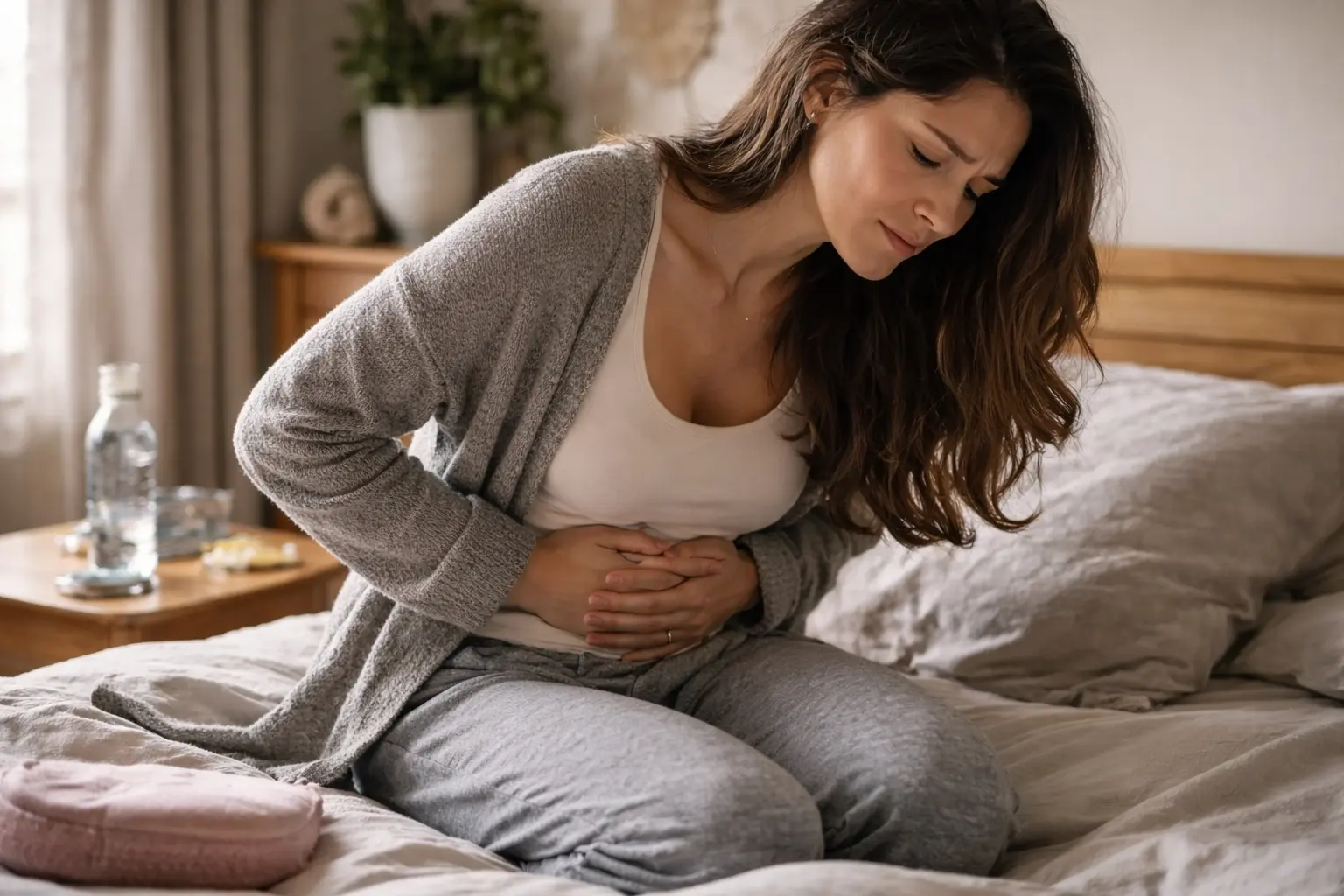
Your period pain is so brutal you’re doubled over in bed, missing work and social plans, and everyone keeps telling you it’s just bad cramps, but something feels deeply wrong, and that relentless pelvic agony paired with exhaustion that won’t quit could actually be endometriosis symptoms silently reshaping your entire life.
The stealthy invader: endometriosis 101
Endometriosis often masquerades as just killer periods, but it’s actually a chronic condition where tissue similar to your uterine lining grows outside where it belongs, typically in your pelvis. This mislocated tissue responds to your menstrual cycle hormones every single month, triggering inflammation, scar tissue buildup, and pain that can range from uncomfortable to absolutely debilitating. Imagine your body mounting an internal protest during your cycle, except the protest happens in places like your ovaries, fallopian tubes, and surrounding tissues. For many young adults, the pain starts subtle, almost dismissible, but gradually intensifies over months or years until you realize something is seriously off. The tissue bleeds internally just like your uterine lining does, but with nowhere to go, it creates inflammation and adhesions that can feel like your insides are literally stuck together.
- Unpredictable pelvic pain that worsens during menstruation and sometimes persists between cycles
- Intense cramps that disrupt daily activities, work, school, and social commitments
- Fatigue that persists despite ample rest and leaves you feeling drained for days
The silent saboteur: symptoms beyond pain
Beyond the infamous cramping and pelvic pain, endometriosis can quietly wreak havoc in ways you might not immediately connect to your reproductive system. Many young adults experience gastrointestinal issues like bloating, constipation, or diarrhea that flare up during their cycle, leaving them confused about whether it’s their diet or something else entirely. Painful intercourse, medically known as dyspareunia, can strain relationships and create anxiety around intimacy. Some experience infertility struggles that feel isolating and unexplained, especially when doctors initially dismiss their symptoms. You might notice irregular or heavy bleeding that soaks through protection quickly, or spotting between periods that seems random and frustrating. Brain fog and mood changes often accompany the physical symptoms, making you feel emotionally unstable on top of physically exhausted. These layered symptoms can shadow your daily life so thoroughly that you start questioning your own body and wondering if you’re overreacting or if something is genuinely wrong.
💬 Ready to feel better in 2 minutes?choose where to begin:
Invisible enemy: navigating diagnosis challenges
One of the greatest hurdles young adults face with endometriosis is the diagnostic journey itself, which can feel like navigating a maze without a map. Many doctors dismiss severe menstrual pain as normal, suggesting you just need to toughen up or try over-the-counter pain relievers, which only deepens your frustration when nothing works. The lack of awareness and persistent misconceptions surrounding the condition mean you might spend years suffering in silence, visiting multiple doctors before someone takes your symptoms seriously. There’s no simple blood test or quick scan that definitively diagnoses endometriosis, so you’re often caught in a cycle of testing, waiting, and hoping someone finally listens. Some young adults describe spending five to ten years seeking answers, only to have their pain validated once they finally see a specialist who recognizes the pattern. The emotional toll of being dismissed or gaslit about your own body can be as damaging as the physical symptoms themselves, leaving you exhausted and skeptical of the medical system.
Warrior’s journey: managing endometriosis
Although there’s no cure for endometriosis, various treatment options can help manage symptoms and genuinely improve your quality of life, though finding the right approach often requires patience and experimentation. Pain medications ranging from over-the-counter ibuprofen to prescription options can provide relief, though some people find they stop working over time. Hormonal therapies like birth control pills, hormonal IUDs, or other medications can reduce bleeding and inflammation by suppressing your cycle or altering hormone levels. Surgical interventions like laparoscopy can remove visible endometrial tissue and adhesions, offering relief for some people, though symptoms can return. Beyond medical treatments, many young adults find relief through lifestyle strategies like heat therapy, gentle movement, stress reduction, and dietary adjustments that reduce inflammation. Finding the right treatment plan tailored specifically to your needs, your body, and your life circumstances is essential in your battle against this invisible adversary, and it often means advocating fiercely for yourself.
Endometriosis, a stealthy foe, can wreak havoc on young adults’ lives with its array of symptoms ranging from debilitating pain to silent struggles like infertility. Navigating the diagnostic challenges and managing the condition through personalized treatment can empower individuals in their fight against this invisible enemy.
How can I differentiate between normal period pain and endometriosis symptoms?
While period pain is common, severe and persistent pelvic pain, especially during menstruation, can indicate underlying endometriosis. If your pain disrupts daily activities or is unresponsive to over-the-counter pain relief, seeking medical evaluation is crucial.
Can endometriosis affect fertility in young adults?
Endometriosis can indeed impact fertility by causing inflammation, scarring, and structural abnormalities that affect the reproductive organs. However, with early diagnosis, appropriate treatment, and fertility preservation strategies, many individuals can still achieve successful pregnancies.
Others also read:
Disclaimer: This article is for informational purposes only and is not a substitute for professional medical advice. Always consult a healthcare professional for personal guidance.
This article presents an experience-based perspective and has been reviewed by the GlobalHealthBeacon editorial team in 2026. It provides structured, evidence-based information to support informed health decisions.
