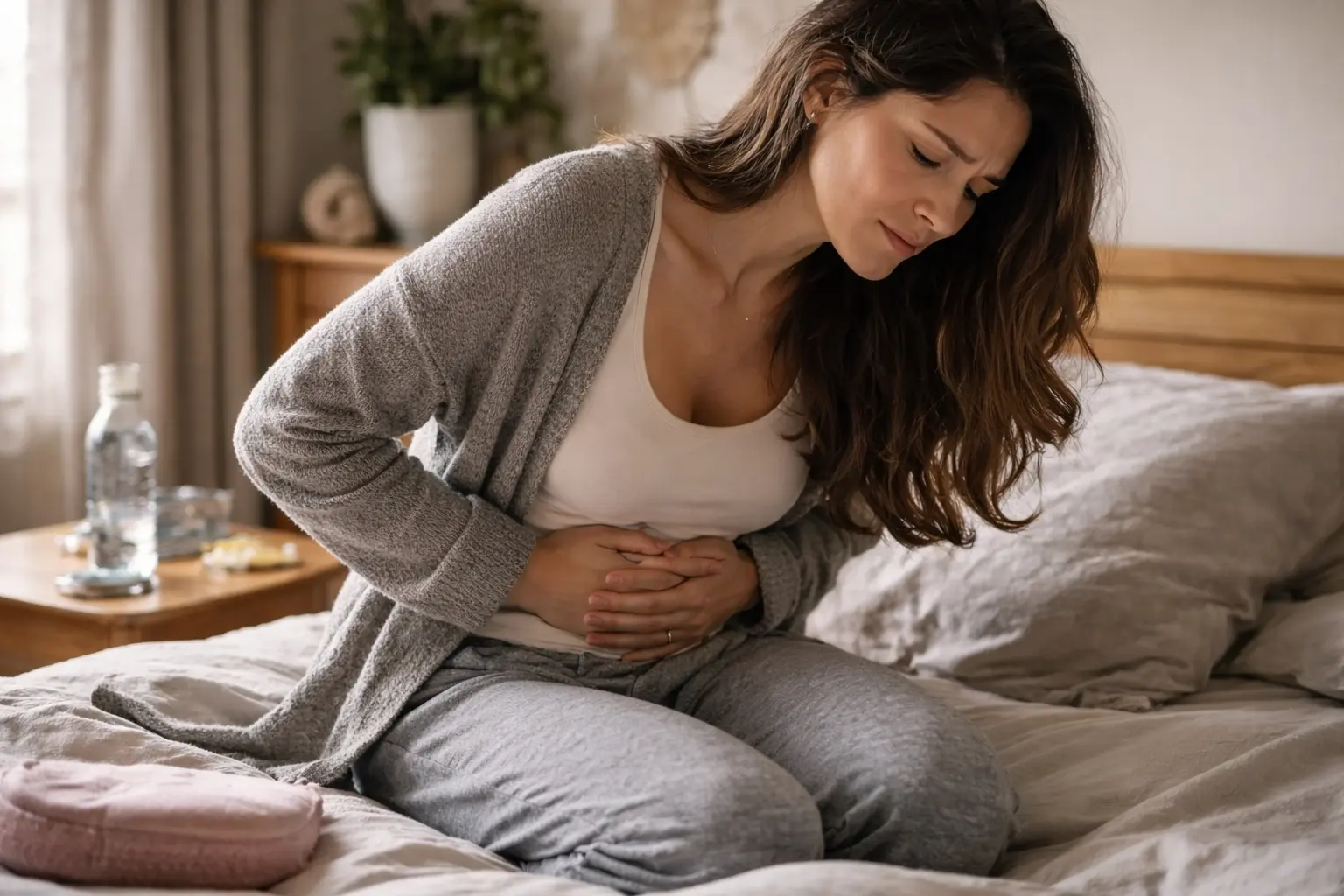
If you’re waking up to crushing pelvic pain, bleeding through tampons in hours, or dreading intimacy because endometriosis symptoms have taken over your life, you’re not alone and this guide is built for you.
Recognizing endometriosis symptoms
Understanding what endometriosis symptoms actually look like is your first defense. Many women describe the pain as sharp, stabbing, or deeply aching in the lower abdomen and pelvis, especially during their menstrual cycle. But symptoms extend beyond pain. Heavy periods that soak through protection within an hour, pain during or after intercourse, fatigue that makes getting out of bed feel impossible, and difficulty conceiving are all red flags. Some women also experience digestive issues like bloating, constipation, or diarrhea that worsen during their cycle. The tricky part is that endometriosis symptoms vary wildly from person to person. One woman might have severe pain but light periods, while another experiences heavy bleeding with minimal discomfort. This unpredictability is why tracking your specific pattern matters so much. Start noting when pain occurs, how long it lasts, what triggers it, and how it affects your daily activities. This information becomes invaluable when discussing your concerns with a healthcare provider.
- Keep track of your symptoms and their severity for better communication with your healthcare provider.
- Be proactive in seeking medical advice if you suspect you may have endometriosis symptoms.
- Join support groups or online communities to connect with others going through a similar experience.
Managing pain naturally
Natural pain management for endometriosis symptoms starts with heat, which is often your most accessible tool. A heating pad applied directly to your lower abdomen or back for 15 to 20 minutes can ease cramping by relaxing muscle tension. Many women find that layering heat therapy with gentle movement helps even more. Light walking, restorative yoga, or stretching routines designed for pelvic pain can improve blood flow without triggering inflammation. Dietary adjustments matter too. Reducing inflammatory foods like red meat, processed items, and excess sugar while increasing omega-3 rich foods like fatty fish, flaxseeds, and walnuts may help reduce pain intensity over time. Some women also find relief through magnesium supplements, which support muscle relaxation. Stress management is equally critical because tension amplifies pain perception. Practices like deep breathing, meditation, or even a warm bath create a calming effect that interrupts the pain cycle. The key is consistency. One heating pad session helps temporarily, but building these practices into your routine creates lasting relief.
📘 Fix your day in under 2 minuteschoose where to begin:
Balancing hormones effectively
Hormonal balance directly impacts endometriosis symptoms because the condition thrives on estrogen. Working with your healthcare provider to explore hormone therapy options is important. Birth control pills, patches, or rings can suppress ovulation and reduce the thickness of uterine tissue, lessening pain and heavy bleeding. Some women benefit from progestin-only methods or hormonal IUDs that create a localized effect. Beyond medication, lifestyle factors regulate hormones naturally. Maintaining a healthy weight reduces estrogen production since fat tissue produces estrogen. Regular exercise, particularly aerobic activity and strength training, helps regulate hormone levels and improves mood. Sleep quality matters significantly too. Poor sleep disrupts cortisol and other hormonal regulators, which can intensify endometriosis symptoms. Aim for 7 to 9 hours nightly. Additionally, identify and avoid personal triggers. Some women notice their symptoms worsen with high stress, certain foods, or excessive caffeine. Tracking these patterns helps you take preventive action rather than constantly reacting to flare-ups.
Nutrition and endometriosis
What you eat directly influences how your body manages endometriosis symptoms. A foundation of whole foods like colorful vegetables, fruits, whole grains, and lean proteins provides nutrients that reduce inflammation. Leafy greens like spinach and kale contain iron, which is crucial since heavy periods deplete iron stores and cause fatigue. Fatty fish such as salmon and sardines deliver omega-3 fatty acids that actively fight inflammation in your body. Nuts, seeds, and legumes add fiber and plant-based protein, supporting stable blood sugar and hormone metabolism. Conversely, certain foods amplify inflammation and worsen endometriosis symptoms. Red meat and processed foods contain high levels of arachidonic acid, which increases prostaglandins that trigger cramping. Excess caffeine and alcohol can intensify pain and disrupt hormone balance. Refined sugars spike inflammation markers. Rather than viewing this as restriction, think of it as strategic fueling. You’re choosing foods that work with your body instead of against it. Start by adding anti-inflammatory foods first, then gradually reduce inflammatory ones. This approach feels sustainable and allows you to notice which dietary changes actually reduce your symptoms.
Embracing self-care practices
Self-care for endometriosis symptoms goes beyond bubble baths. It means protecting your energy and creating space for recovery. Adequate sleep is non-negotiable because your body heals and regulates hormones during rest. Establish a consistent sleep schedule, keep your bedroom cool and dark, and limit screens an hour before bed. Mindfulness practices like meditation or body scanning help you notice tension patterns and release them before pain escalates. Even 10 minutes daily shifts your nervous system from fight-or-flight to rest-and-digest mode, which reduces pain perception. Regular physical activity tailored to how you feel matters too. On high-pain days, gentle stretching or walking suffices. On better days, strength training or dancing builds resilience. Listen to your body rather than pushing through. Social connection is equally vital. Sharing your experience with trusted friends, family, or support groups normalizes what you’re going through and reduces isolation. Finally, set boundaries around activities and commitments that drain you during your cycle. Saying no to extra obligations during your worst symptom days isn’t weakness; it’s strategic self-protection that allows you to show up fully when you’re able.
Recognize the signs, manage pain naturally, balance hormones, focus on nutrition, and embrace self-care practices to effectively deal with endometriosis symptoms.
Can endometriosis symptoms be managed without medication?
While medication may be necessary in some cases, natural remedies such as heat therapy, exercise, dietary changes, and stress management can help alleviate symptoms for some individuals.
Is endometriosis a life-threatening condition?
Endometriosis is not typically life-threatening, but it can significantly impact a person’s quality of life. Seeking medical advice and managing symptoms effectively are important steps in living well with this condition.
Others also read:
Disclaimer: This article is for informational purposes only and is not a substitute for professional medical advice. Always consult a healthcare professional for personal guidance.
This guide has been prepared and reviewed by the GlobalHealthBeacon editorial team and reflects current medical research as of 2026. It provides structured, evidence-based information to support informed health decisions.
