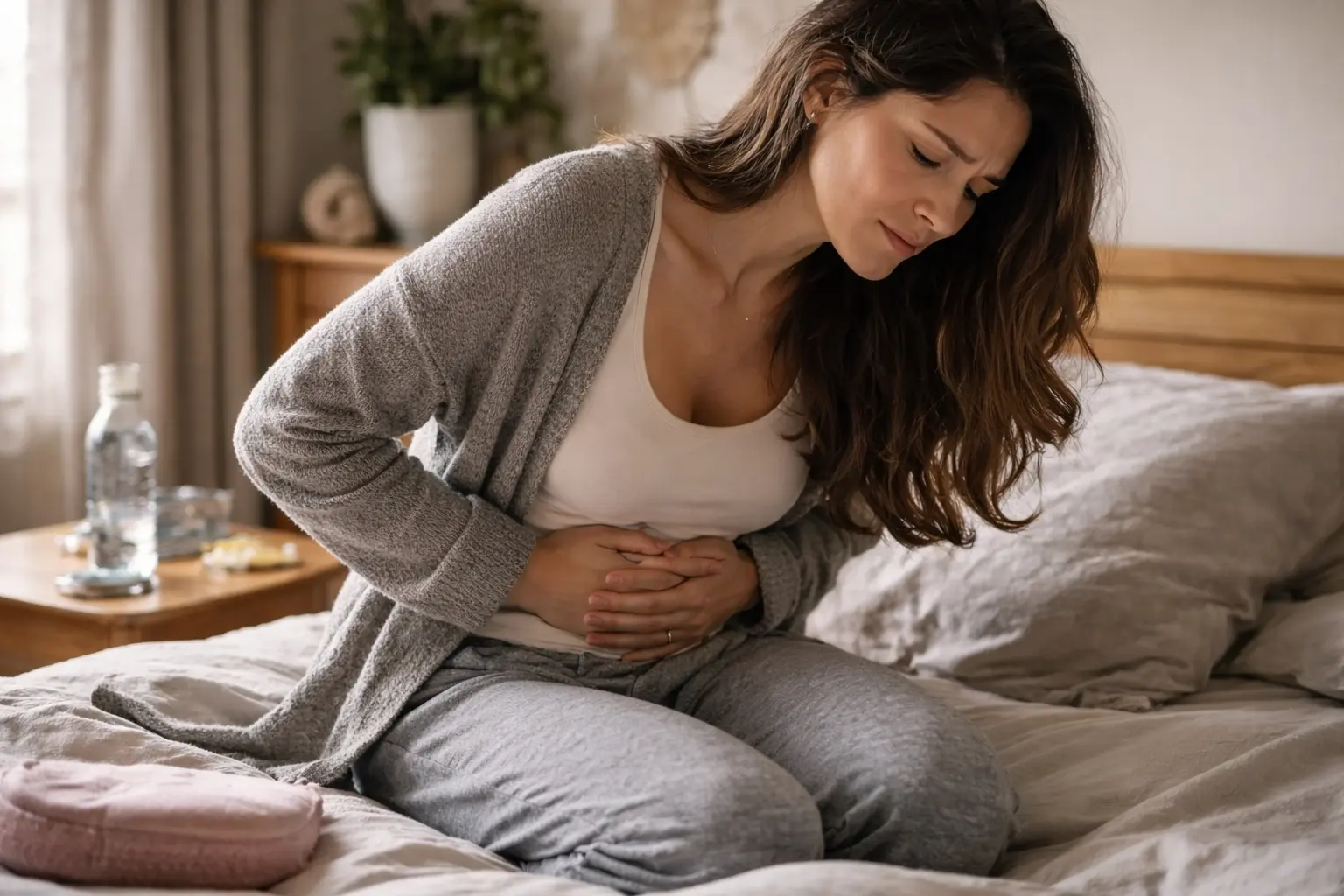
Your period shouldn’t feel like your body is working against you, but when endometriosis symptoms hit, that’s exactly what it feels like, and you deserve real solutions that actually work.
Understanding endometriosis symptoms
Endometriosis symptoms show up differently for everyone, which is why so many young adults struggle to get a diagnosis. You might experience intense menstrual cramps that keep you home from work or school, chronic pelvic pain that lingers between periods, painful intercourse that affects your relationships, or fertility concerns that weigh on your mind. Some people describe the pain as sharp and stabbing, while others feel a deep ache that radiates through their lower back and thighs. The unpredictability is part of what makes endometriosis so frustrating. One month your symptoms might be manageable with over-the-counter pain relief, and the next month you’re barely functional. This inconsistency often leads to delayed diagnosis because both you and your healthcare provider might dismiss the severity. Start tracking your symptoms in a journal or app, noting when pain occurs, how intense it feels on a scale of one to ten, what triggers it, and how it affects your daily activities. This pattern recognition becomes invaluable when you sit down with a gynecologist who can properly diagnose your condition and rule out other possibilities.
- Track your symptoms to identify patterns and severity.
- Communicate openly with your healthcare provider to explore treatment options.
- Consider lifestyle changes like dietary modifications and stress management techniques.
Managing endometriosis pain naturally
Managing endometriosis pain naturally requires a multi-layered approach that works alongside medical treatment, not instead of it. Start with relaxation techniques like yoga, meditation, or deep breathing exercises, which calm your nervous system and reduce the muscle tension that amplifies pain signals. Many young adults find that gentle yoga poses like child’s pose or legs-up-the-wall help release tension in the pelvic area without triggering inflammation. Heat therapy is your friend here, too, whether that’s a heating pad on your lower abdomen for twenty minutes or a warm bath with Epsom salts. Your diet matters more than you might think, so focus on anti-inflammatory foods like fatty fish rich in omega-3s, leafy greens, berries, and whole grains while reducing red meat, processed foods, and excess sugar that can worsen inflammation. Some people find that cutting back on caffeine and alcohol reduces their pain significantly. Regular movement like walking, swimming, or pilates keeps your pelvic floor from becoming tight and restricted, which can intensify cramping. The key is consistency, not intensity, so aim for gentle movement most days rather than pushing yourself hard during flare-ups.
📘 Fix your day in under 2 minuteschoose where to begin:
Seeking emotional support
Living with endometriosis takes an emotional toll that often gets overlooked in conversations about pain management. You might feel isolated because friends without endometriosis don’t understand why you cancel plans repeatedly, or you might experience grief about fertility concerns that suddenly feel very real. Your partner might struggle to understand why intercourse is painful, creating tension in your relationship. Online communities dedicated to endometriosis connect you with people who truly get it, who won’t minimize your experience or suggest that you just need to relax more. Many young adults find that talking to a therapist who understands chronic pain helps them process the frustration and anxiety that comes with an unpredictable condition. Consider joining a local support group or finding a mental health professional who specializes in chronic illness, because managing the psychological impact is just as important as managing the physical symptoms. Don’t underestimate the power of simply being heard by someone who believes your pain is real and validates your experience.
Exploring alternative therapies
Alternative therapies can complement your medical treatment and provide additional relief when conventional approaches alone aren’t enough. Acupuncture, rooted in traditional Chinese medicine, works by stimulating specific points to reduce pain and improve blood flow to the pelvic area, and many young adults report decreased cramping after consistent sessions. Physical therapy with a pelvic floor specialist addresses the muscle tension and dysfunction that often accompanies endometriosis, using techniques like myofascial release and stretching to restore normal function. Chiropractic care focuses on spinal alignment and nerve function, which some people find reduces their overall pain levels. Massage therapy, particularly deep tissue or myofascial release, can break up adhesions and reduce the muscle guarding that happens when you’re in chronic pain. The important thing is finding a qualified practitioner who understands endometriosis and works collaboratively with your gynecologist. These therapies work best when they’re part of a coordinated care plan, not a replacement for medical diagnosis and treatment. Start with one or two modalities and give them time to work, typically four to six weeks, before deciding if they’re helping.
Advocating for yourself
Advocating for yourself means becoming an expert on your own condition and refusing to accept dismissive responses from healthcare providers. Many young adults, particularly women under thirty, face doctors who minimize their pain or suggest it’s just bad period cramps, which delays proper diagnosis and treatment by years. Educate yourself by reading peer-reviewed research, following reputable endometriosis organizations, and understanding the different treatment options available. When you see a healthcare provider, bring your symptom journal, ask specific questions, and don’t leave until you have clear answers about your diagnosis and treatment plan. If a doctor dismisses you, seek a second or third opinion, because finding an endometriosis-informed gynecologist can be life-changing. Raise awareness about endometriosis in your circles, because the more people understand how serious this condition is, the less stigma and skepticism you’ll face. Prioritize self-care not as a luxury but as a medical necessity, whether that means setting boundaries at work during your period, investing in pain management tools, or taking time to rest without guilt. Your health matters, and you deserve healthcare providers and a support system that treats it that way.
Understanding and managing endometriosis symptoms is key to improving your quality of life. By tracking your symptoms, seeking emotional support, exploring alternative therapies, and advocating for yourself, you can take proactive steps towards better health and well-being.
What are common symptoms of endometriosis?
Common symptoms of endometriosis include pelvic pain, heavy periods, painful intercourse, and infertility concerns. If you experience these symptoms, it’s important to consult a healthcare provider for further evaluation and management.
How can lifestyle changes help manage endometriosis symptoms?
Lifestyle changes such as maintaining a healthy diet, practicing relaxation techniques, and staying physically active can help manage endometriosis symptoms by reducing inflammation and improving overall well-being.
Others also read:
Disclaimer: This article is for informational purposes only and is not a substitute for professional medical advice. Always consult a healthcare professional for personal guidance.
This guide has been prepared and reviewed by the GlobalHealthBeacon editorial team and reflects current medical research as of 2026. It provides structured, evidence-based information to support informed health decisions.
