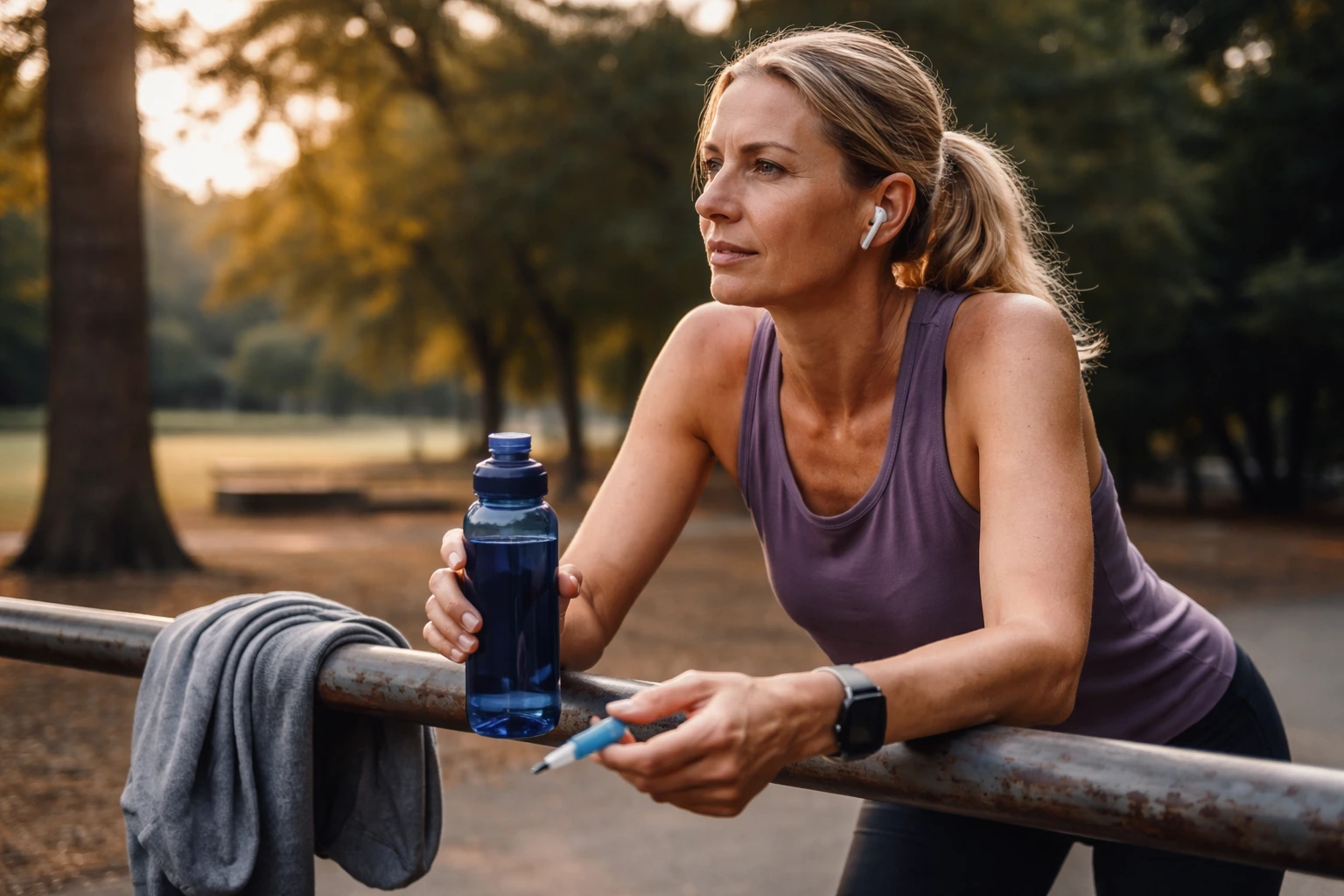
You’re on GLP-1 medication and want to stay active, but you’re worried about what your body can actually handle, whether you’ll crash mid-workout, or if you’re doing more harm than good, and that uncertainty is keeping you stuck on the sidelines when you should be out living your life.
Benefits of exercising on GLP-1 medication
Exercising while taking GLP-1 medication creates a powerful combination that addresses multiple health concerns at once. When you move your body regularly, your muscles become more responsive to insulin, which means your blood sugar stays more stable throughout the day and your medication works more effectively. Think of it this way: a senior who walks for 30 minutes most days might notice their fasting blood sugar drops by 10 to 20 points within weeks. Beyond glucose control, exercise accelerates weight loss because GLP-1 reduces your appetite while movement burns calories and preserves lean muscle mass. Your cardiovascular system strengthens too, with regular activity lowering blood pressure and improving cholesterol profiles. Many seniors report feeling more energetic, sleeping better, and experiencing improved mood and mental clarity. The combination creates momentum where each benefit supports the others.
- Increases insulin sensitivity, aiding in better blood sugar regulation
- Aids in weight management and body composition
- Improves cardiovascular health by reducing blood pressure and cholesterol levels
Choosing the right exercise routine
The key is matching your activity to what your body can sustain without injury or excessive strain. Low-impact options like walking, swimming, water aerobics, or gentle yoga are ideal because they protect your joints while building strength and endurance. Walking is often the easiest starting point: begin with 10 to 15 minute walks three times weekly, then gradually extend to 30 minutes as your fitness improves. Swimming is exceptional for seniors because water supports your body weight, reducing stress on knees and hips while providing natural resistance. Tai chi and gentle yoga improve balance and flexibility, which directly reduces fall risk. Before starting any new program, schedule a conversation with your healthcare provider to review your current fitness level, any joint concerns, and how your specific GLP-1 dosage might affect exercise intensity. They can recommend adjustments to timing or intensity based on your individual health profile.
📘 Fix your day in under 2 minuteschoose where to begin:
Important safety precautions
Safety during exercise on GLP-1 medication centers on preventing low blood sugar episodes and avoiding injury. Check your blood sugar before exercise and again within 15 to 30 minutes after finishing to understand how your body responds. If you notice patterns of dropping too low, your healthcare provider may adjust your medication timing or dose. Dehydration is a real concern because GLP-1 can suppress thirst signals, so drink water consistently throughout your workout even if you do not feel thirsty. Wear supportive, well-fitting shoes with good cushioning to protect your feet and ankles. If balance is a concern, use a cane or walker without hesitation, and exercise in familiar environments where you know the terrain. Keep a small snack nearby like glucose tablets or a banana in case you experience early signs of low blood sugar such as shakiness, dizziness, or confusion. Consider exercising with a friend or family member who knows your medication and can help if something unexpected happens.
Managing medication and exercise times
Timing your workouts relative to your GLP-1 injections can significantly impact how you feel during and after exercise. Most seniors find that exercising 2 to 4 hours after taking their medication works well because the medication is active but not at peak strength. If you take GLP-1 weekly, you have flexibility to choose your exercise days, but consistency matters more than perfection. Some people prefer morning workouts before eating, while others do better with afternoon activity after a light meal. Keep a simple log for two to three weeks noting when you exercise, when you take medication, how you felt, and your blood sugar readings. This personal data reveals your unique patterns and helps you and your healthcare provider optimize timing. Avoid exercising when you are fasting and on peak medication strength, as this combination increases hypoglycemia risk. If you take other diabetes medications alongside GLP-1, coordinate with your doctor about how exercise might require adjustments to your complete medication schedule.
Increasing mobility and flexibility
Flexibility and mobility become increasingly important as you age because they directly support independence and reduce injury risk. Spend 5 to 10 minutes daily on gentle stretching, focusing on your hips, hamstrings, shoulders, and lower back where seniors commonly experience tightness. Hold each stretch for 20 to 30 seconds without bouncing, breathing steadily throughout. Incorporate movements that mimic daily activities: practice standing up from a chair without using your hands, walking backward slowly, or reaching overhead to simulate putting items on shelves. Tai chi is particularly valuable because it combines stretching, balance work, and controlled movement in one practice. If flexibility is limited, start where you are. A senior with tight hamstrings might only reach to their knees initially, and that is perfectly fine. Consistency over months builds noticeable improvements. Consider working with a physical therapist for one or two sessions to learn proper form and receive personalized stretches based on your specific limitations.
Exercising on GLP-1 medication offers numerous benefits such as improved glucose control, weight management, and cardiovascular health. It’s crucial to choose the right exercise routine, prioritize safety precautions, coordinate medication and workout times, and prioritize mobility and flexibility to stay active and healthy.
Can I participate in high-intensity workouts while on GLP-1 medication?
High-intensity workouts can be challenging for seniors on GLP-1 medication due to the risk of hypoglycemia and potential strain on the cardiovascular system. It’s advisable to consult your healthcare provider before engaging in such activities.
How often should I exercise while taking GLP-1 medication?
The frequency of exercise while on GLP-1 medication depends on your overall health, fitness level, and medication regimen. Aim for at least 150 minutes of moderate-intensity exercise per week, spread across several days for optimal benefits.
Disclaimer: This article is for informational purposes only and is not a substitute for professional medical advice. Always consult a healthcare professional for personal guidance.
This guide has been prepared and reviewed by the GlobalHealthBeacon editorial team and reflects current medical research as of 2026. It provides structured, evidence-based information to support informed health decisions.
