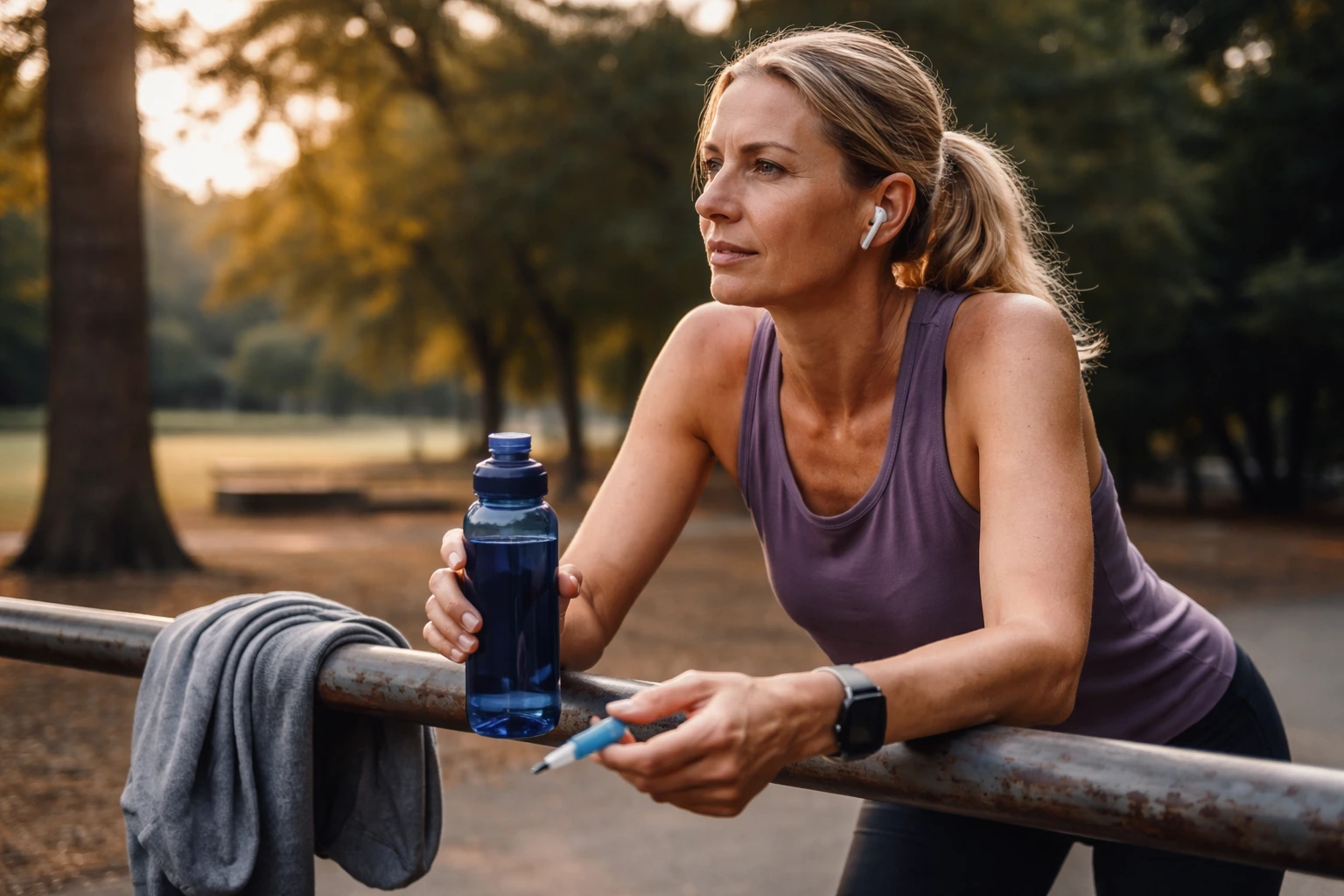
Your body feels heavy, your energy tank is running on fumes, and the thought of lacing up your sneakers makes you want to crawl back into bed – welcome to exercising on glp-1 medication, where your fitness ambitions collide with a medication that’s supposed to help but sometimes leaves you feeling like you’re moving through molasses.
The struggle of finding motivation
When Sarah started her GLP-1 therapy three months ago, she expected to feel energized and ready to tackle her fitness goals. Instead, she found herself staring at her gym membership card with a mix of guilt and exhaustion. The fatigue hit differently than anything she’d experienced before – not the tired-after-a-long-day kind, but a bone-deep heaviness that made even a 20-minute walk feel like climbing a mountain. Many women report similar experiences during the first weeks of treatment. Your body is adjusting to medication that affects your appetite, metabolism, and energy distribution. Some days, getting out of bed feels like an accomplishment. The emotional toll compounds the physical challenge: you’re supposed to be getting healthier, yet you feel worse. Understanding that this is a temporary adjustment phase, not a permanent state, helps shift your mindset. Starting with gentler movement like stretching, short walks, or yoga can bridge the gap between where you are now and where you want to be.
- Explore the emotional journey of staying active while managing medication.
- Learn how to adapt your workout routine to accommodate changes in energy levels.
- Discover strategies to boost motivation and make exercise more enjoyable.
Overcoming fear of hypoglycemia
Jessica had always been a runner. Five miles before work was her ritual, her meditation, her power move. But three weeks into GLP-1 therapy, she found herself frozen on the treadmill, terrified. What if her blood sugar dropped mid-run? What if she collapsed? The fear wasn’t irrational – hypoglycemia is a real concern for some people on certain medications, and the thought of losing control of your body during exercise is genuinely frightening. She wasn’t alone in this anxiety. Many women experience a paralyzing fear that keeps them from pushing themselves physically, even when their healthcare provider has cleared them for activity. The key is education and gradual exposure. Learning the actual signs of low blood sugar, understanding how your specific medication works, and starting with shorter, less intense workouts can help rebuild confidence. Keeping a small snack nearby, exercising with a friend who knows your situation, and checking in with your body before, during, and after movement creates a safety net that transforms fear into manageable caution.
💬 Ready to feel better in 2 minutes?choose where to begin:
Navigating weight loss plateaus
Maria had seen impressive results in her first two months on GLP-1 therapy. Then, week nine arrived, and the scale stopped moving. She was still doing her workouts, still following her routine, but progress had stalled. The frustration was real – and it’s one of the most common challenges women face when exercising on this medication. Plateaus happen because your body adapts, because hormones fluctuate, because sometimes progress isn’t linear. What matters is recognizing that a plateau isn’t failure; it’s a signal that your body needs something different. Maybe your workouts have become too predictable and your muscles have adapted. Maybe you need to increase intensity gradually, switch up your routine, or focus on strength training instead of cardio for a while. Sometimes the plateau is actually your body finding a new, sustainable equilibrium – and that’s worth celebrating. Tracking non-scale victories like improved endurance, better sleep, or how your clothes fit can reveal progress the scale doesn’t show. Patience and strategic adjustments, not desperation and overtraining, break through these frustrating plateaus.
Building a supportive fitness community
When Amanda started her GLP-1 journey, she felt completely alone. Her friends didn’t understand why she couldn’t keep up with their usual workout pace. Online fitness communities seemed to ignore the medication piece entirely. Then she found a small group of women navigating the same intersection of medication and fitness goals, and everything shifted. Suddenly, her struggles made sense to someone else. When she mentioned feeling dizzy during a workout, three other women nodded in recognition and shared what had helped them. When she celebrated a small win – managing a full 30-minute class without stopping – people genuinely cheered because they understood how hard-won that victory was. Community transforms isolation into solidarity. Whether it’s finding online forums specifically for people on GLP-1 therapy, joining a gentle fitness class where you can be honest about your limitations, or even just texting one friend who gets it, connection matters. Sharing your real experience, not the highlight-reel version, creates space for others to do the same. You’re not weak or broken for struggling. You’re human, and you’re not meant to figure this out alone.
Through real-life accounts and practical advice, this article explores the challenges women face when exercising on GLP-1 therapy. From finding motivation to overcoming fears and breaking through plateaus, these stories offer insight and support for creating a sustainable workout routine.
Can I exercise vigorously while on GLP-1 medication?
It’s essential to consult with your healthcare provider before engaging in intense physical activity while on GLP-1 therapy. They can offer personalized guidance based on your specific health needs and medication regimen.
How can I manage my blood sugar levels during exercise on GLP-1 medication?
Monitoring your blood sugar levels closely before, during, and after exercise is crucial. Adjusting your workout intensity, timing, and carbohydrate intake can help maintain stable blood sugar levels while exercising on GLP-1 medication.
Disclaimer: This article is for informational purposes only and is not a substitute for professional medical advice. Always consult a healthcare professional for personal guidance.
This article presents an experience-based perspective and has been reviewed by the GlobalHealthBeacon editorial team in 2026. It provides structured, evidence-based information to support informed health decisions.
