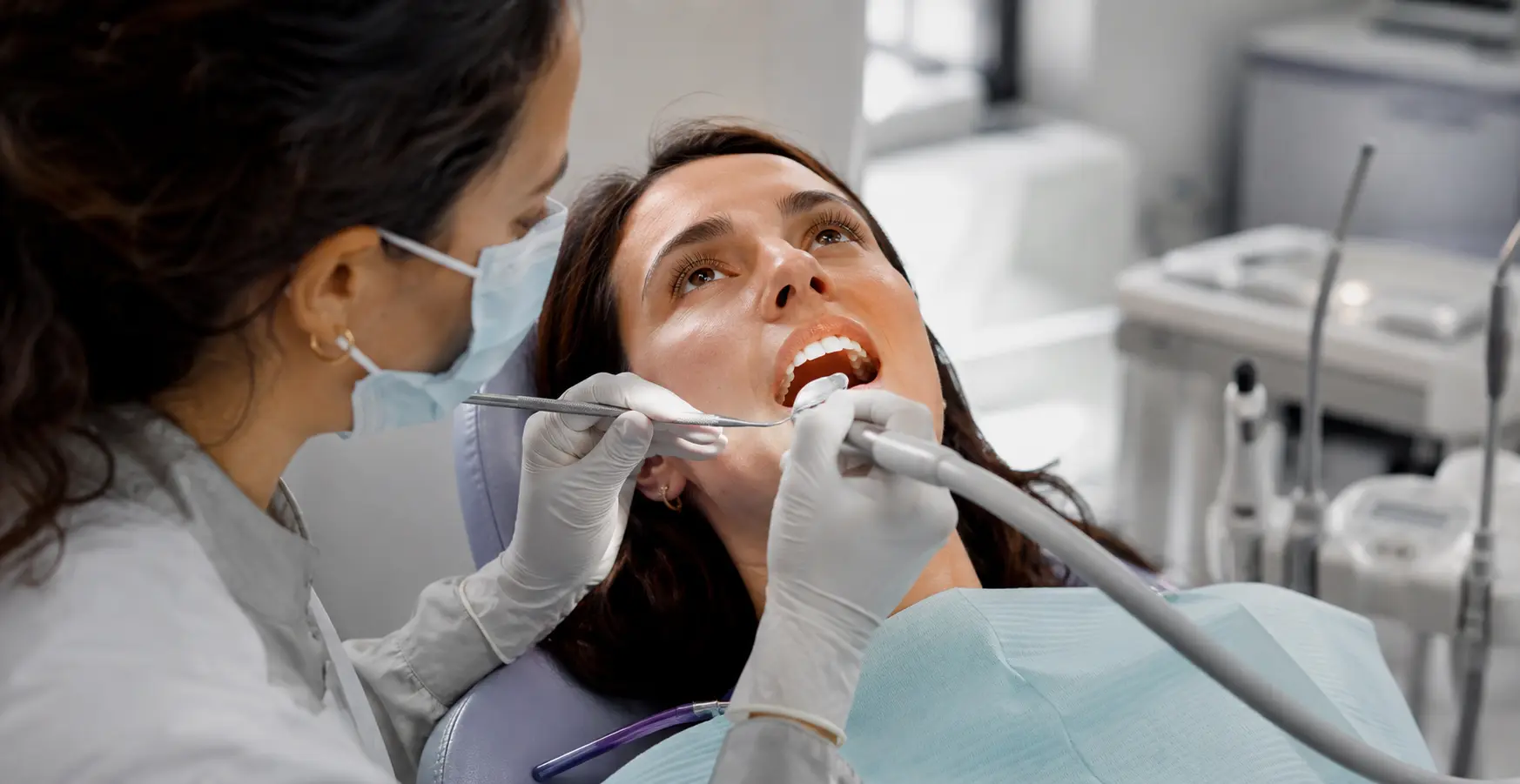
Tired of hiding your smile, avoiding photos, and feeling self-conscious every time you laugh? Full mouth dental implants can transform not just your teeth, but how you feel about yourself and move through the world.
Understanding full mouth dental implants
Full mouth dental implants represent a comprehensive solution for women who have lost multiple or all teeth due to decay, disease, or injury. Unlike dentures that sit on top of your gums, implants are surgically anchored directly into your jawbone, creating a permanent foundation for artificial teeth that function and feel like your natural ones. Think of them as artificial tooth roots that your body accepts and integrates over time. For many women, this means regaining the ability to eat foods they love without worry, speak clearly without slippage, and smile without self-consciousness. The procedure involves placing titanium posts into your jaw, which then support either a fixed bridge or individual crowns. This approach preserves your facial structure and prevents the bone loss that typically occurs with missing teeth, helping you maintain your natural appearance as you age.
- Consultation with a dental specialist to assess your candidacy
- Evaluation of oral health, bone density, and personalized treatment plan discussion
- Preparation for the implant procedure including any necessary extractions or bone grafting
Preparing for the process
Preparation is where your success begins. Your dentist will conduct a thorough examination using digital imaging and 3D scans to map your jawbone and plan exact implant placement. You might need bone grafting if your jaw has thinned from years of missing teeth, a common situation for women who have worn dentures or experienced bone loss. During this phase, your dentist will discuss your medical history, current medications, and any conditions like diabetes or osteoporosis that could affect healing. Some women find they need to quit smoking or adjust medications to optimize their body’s ability to integrate the implants. You will also receive detailed pre-surgery instructions about eating, drinking, and medications. This preparation stage typically takes two to four weeks and sets the foundation for successful implant placement and long-term stability.
📘 Fix your day in under 2 minuteschoose where to begin:
Implant placement and healing
Implant surgery is typically performed under local anesthesia with sedation options available for anxious patients. Your surgeon will create small openings in your gum and jawbone, then carefully position the titanium implants. The procedure usually takes one to two hours for a full mouth, though the exact time depends on how many implants you need. After surgery, you will experience some swelling and discomfort for the first few days, manageable with prescribed pain medication and ice packs. The critical phase that follows is osseointegration, where your bone fuses with the implant posts over three to six months. During this time, your implants must remain undisturbed, so you will wear a temporary prosthesis if needed. Many women report that by week two, they feel significantly better and can return to light activities. Avoiding hard foods, smoking, and strenuous exercise during this healing window is essential for successful integration.
Attaching the abutment and prosthesis
Once osseointegration is complete, your dentist will attach abutments, which are connectors that link your implants to the visible teeth. This minor procedure involves reopening the gum slightly to expose the implant top. Your dentist then takes detailed impressions and photographs to ensure your custom prosthesis matches your natural teeth in color, shape, and bite alignment. For many women, this is the exciting moment when they finally see their new smile taking shape. Your dentist will show you mockups and allow adjustments before the final prosthesis is created. Some women choose individual crowns for each implant, while others prefer a fixed bridge that spans multiple teeth. The prosthesis is then secured to the abutments, and your dentist will check your bite and make any necessary adjustments. This phase typically takes two to three weeks from impression to final placement.
Post-procedure care and maintenance
Your implants are now in place, but their longevity depends entirely on how you care for them. Treat them like natural teeth: brush twice daily with a soft toothbrush, floss daily using special implant floss or water flossers, and rinse with antimicrobial mouthwash. Unlike natural teeth, implants cannot develop cavities, but the gums and bone around them can become infected if neglected. Schedule dental check-ups every six months so your dentist can monitor bone levels and gum health. Avoid hard foods like nuts and candy that could damage the prosthesis, and do not use your teeth as tools. If you grind your teeth at night, ask your dentist about a protective night guard. Most women find that within a few weeks, their implants feel completely natural and require no special thought during eating or speaking. With proper care, full mouth implants can last twenty to thirty years or even a lifetime.
Full mouth dental implants offer women a permanent, natural-looking solution to restore their smile and quality of life. Success requires choosing an experienced specialist, committing to thorough preparation, following post-surgery instructions carefully, and maintaining excellent oral hygiene long-term. This investment in your oral health pays dividends in confidence, comfort, and function for decades to come.
How long does the full mouth implant process take?
The entire process typically spans six to nine months from initial consultation to final prosthesis placement. This includes consultation and planning (two to four weeks), implant surgery (one day), osseointegration healing (three to six months), and abutment and crown placement (two to three weeks). Some cases move faster if bone grafting is not needed.
Are full mouth dental implants suitable for everyone?
Not all individuals are suitable candidates for full mouth dental implants. Your dentist will evaluate your oral health, bone density, overall health status, and lifestyle factors. Women with uncontrolled diabetes, severe osteoporosis, or certain medications may need modifications to their treatment plan. Heavy smokers may face reduced success rates. A thorough consultation will determine if implants are right for you.
Others also read:
Disclaimer: This article is for informational purposes only and is not a substitute for professional medical advice. Always consult a healthcare professional for personal guidance.
This guide has been prepared and reviewed by the GlobalHealthBeacon editorial team and reflects current medical research as of 2026. It provides structured, evidence-based information to support informed health decisions.
