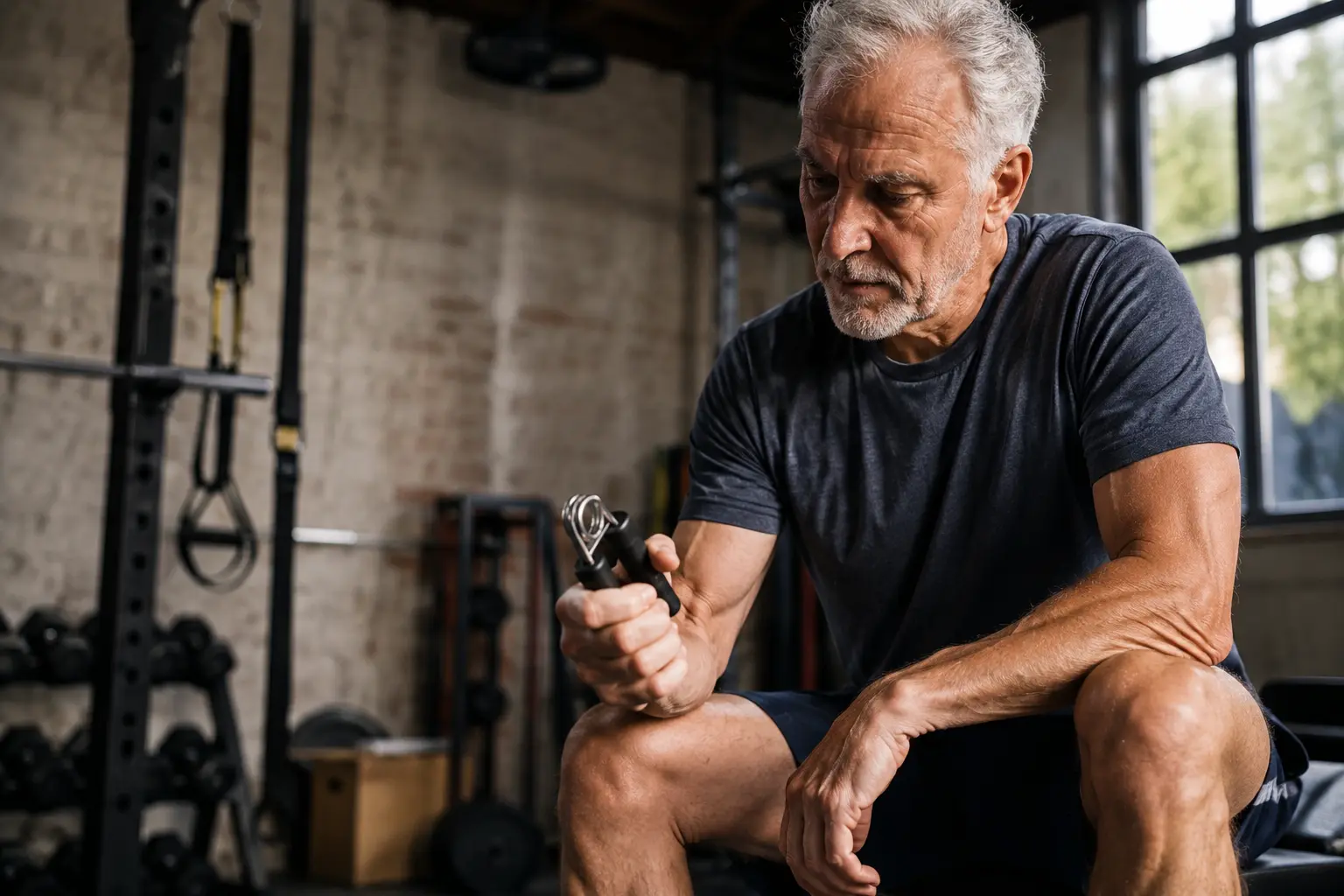
You reach for a jar of pickles and your fingers just won’t cooperate, or you’re struggling to hold your grandchild’s hand with the firmness you once had, and it hits you: grip strength and longevity are connected in ways most people never talk about, but absolutely should.
The importance of grip strength
Think back to the last time you couldn’t open a jar or hold something as tightly as you wanted to. That moment of frustration is more significant than you might realize. Grip strength isn’t just about opening jars or turning doorknobs, though those everyday tasks matter deeply. It’s actually a window into your overall health and how many years you have ahead of you. Research consistently shows that people with stronger grip strength tend to live longer and stay independent longer. When you’re in your 60s, 70s, or beyond, grip strength becomes a reliable marker of muscle health throughout your entire body. Weak grip often signals that your muscles are declining in other areas too, which affects your ability to carry groceries, play with grandchildren, or simply get up from a chair without struggling. The connection is real and measurable. Studies tracking thousands of seniors over decades have found that those with weaker grip strength face higher risks of falls, injuries, and even early mortality. It’s not magic or coincidence, it’s physiology. Your hands are connected to your core strength, your balance, and your overall resilience.
- Grip strength is a reliable indicator of overall muscle strength and functional ability.
- Lack of grip strength can lead to difficulties in performing basic tasks and activities of daily living.
- Regular grip strength exercises can not only improve hand function but also reduce the risk of falls and injuries.
Exercises to improve grip strength
You don’t need fancy equipment or a gym membership to build stronger hands. Start with something as simple as a stress ball. Squeeze it for a few seconds, release, and repeat ten times. Do this three times a day and you’ll notice a difference within weeks. Hand grippers, those spring-loaded devices you can find at any drugstore, work even better because they provide adjustable resistance. Begin with a lighter resistance and gradually progress as your strength improves. Finger stretches are equally important, especially if you have arthritis. Spread your fingers wide, hold for five seconds, then relax. Repeat ten times per hand. Some seniors find success with resistance bands wrapped around their fingers, creating gentle opposition as they straighten each digit. The key is consistency, not intensity. Doing these exercises two to three times weekly, even for just five minutes, compounds into noticeable strength gains over a month or two. Consider joining a senior fitness class that includes grip training, or work with a physical therapist who can customize exercises for your specific needs and any limitations you might have.
💬 Ready to feel better in 2 minutes?choose where to begin:
Nutrition and grip strength
Your muscles need fuel to grow and stay strong, and that fuel comes from what you eat. Protein is the building block your muscles crave, so aim for lean meats, fish, eggs, Greek yogurt, or plant-based options like beans and lentils at each meal. A typical senior should aim for about one gram of protein per pound of body weight daily, though your doctor can give you more specific guidance. Vitamin D is another critical player because it helps your body absorb calcium and supports muscle function. Fatty fish like salmon, fortified milk, and sunlight exposure all boost vitamin D levels. Omega-3 fatty acids reduce inflammation in your joints and muscles, making movement less painful and more effective. Walnuts, flaxseeds, and sardines are excellent sources. Don’t overlook minerals like magnesium and zinc, which support muscle contraction and recovery. Leafy greens, nuts, and seeds are nutrient-dense choices. Many seniors benefit from a vitamin D supplement, especially during winter months, but discuss this with your healthcare provider first. The bottom line: eating well isn’t just about weight management, it’s about giving your muscles the raw materials they need to stay strong and functional.
Mindfulness and grip strength
Stress tightens everything, including your grip. When you’re anxious or tense, your muscles contract and hold tension, which actually weakens your grip over time because your hands never fully relax and recover. This is where mindfulness comes in. Meditation, even just five minutes daily, calms your nervous system and allows your muscles to release tension. Deep breathing exercises are remarkably powerful. Breathe in slowly through your nose for a count of four, hold for four, then exhale through your mouth for four. Do this ten times and notice how your entire body relaxes. Tai chi combines slow, flowing movements with mindfulness, making it ideal for seniors who want to improve strength and mental clarity simultaneously. Many communities offer free or low-cost tai chi classes specifically for older adults. Gentle yoga also helps because it stretches tight muscles while calming your mind. The connection between stress and physical weakness is real and measurable. When you’re relaxed, your grip is stronger, your balance is better, and your overall health improves. Taking time to quiet your mind isn’t a luxury, it’s an investment in your physical strength.
Grip strength is not just about holding onto objects, it’s a key indicator of overall health and longevity. By prioritizing grip strength exercises, proper nutrition, and mindfulness practices, seniors can improve their quality of life and enhance their chances of living longer, healthier lives.
Can grip strength training benefit seniors with arthritis?
Yes, grip strength training can be beneficial for seniors with arthritis as it helps improve joint flexibility and functionality. Start with low-impact exercises and gradually increase intensity under the guidance of a healthcare professional.
How often should seniors perform grip strength exercises?
Seniors should aim to do grip strength exercises at least 2-3 times per week to maintain and improve their hand and finger strength. Consistency is key to seeing long-term benefits.
Others also read:
Disclaimer: This article is for informational purposes only and is not a substitute for professional medical advice. Always consult a healthcare professional for personal guidance.
This article presents an experience-based perspective and has been reviewed by the GlobalHealthBeacon editorial team in 2026. It provides structured, evidence-based information to support informed health decisions.
