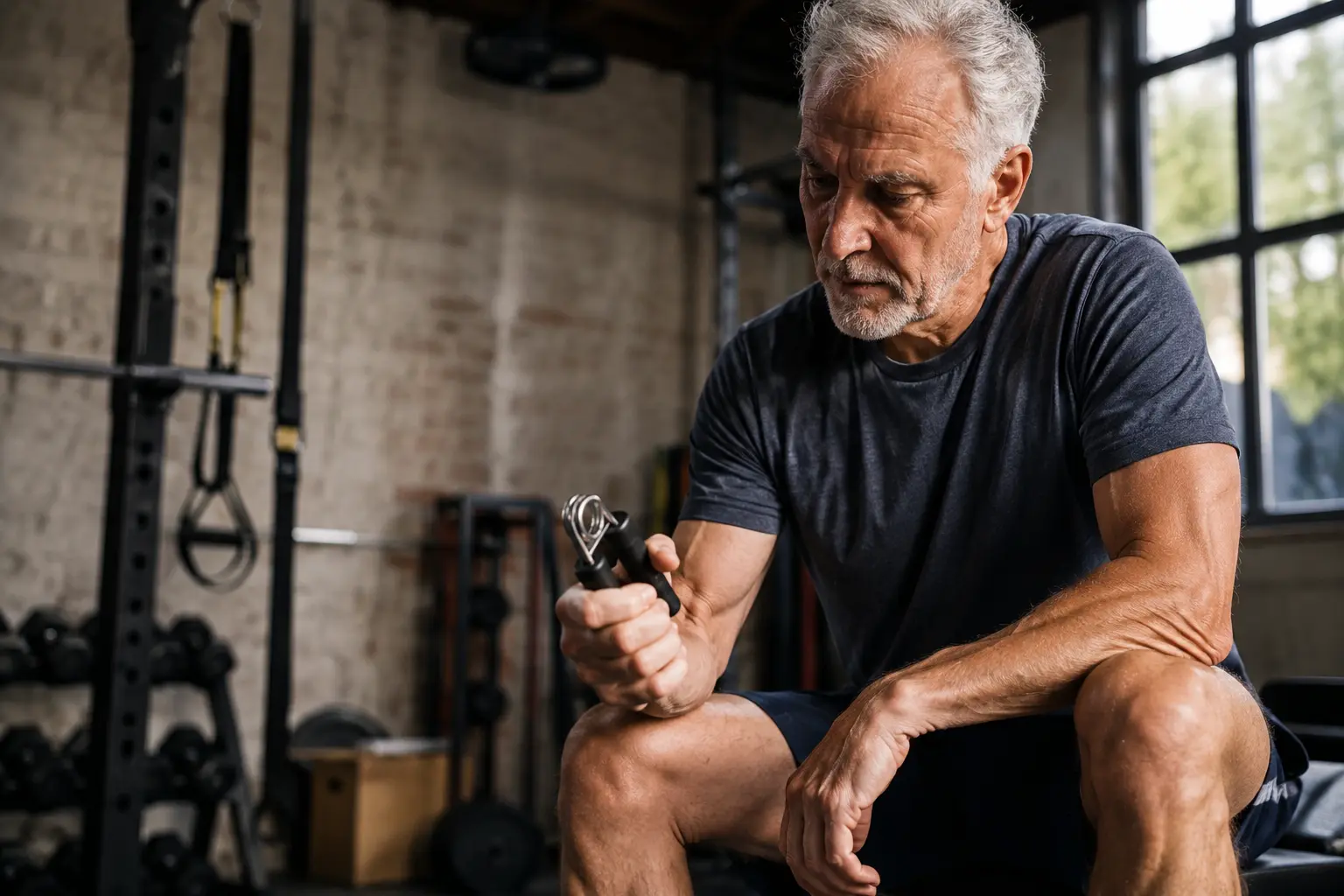
You notice your jar opener feels heavier than it used to, or maybe you catch yourself gripping the handrail a little tighter on stairs, and suddenly you’re wondering if this is just normal aging or a real warning sign about grip strength and longevity that deserves your attention.
The role of grip strength in health
Grip strength is far more than just the ability to open a jar or shake someone’s hand firmly. It serves as a window into your overall muscular health and functional capacity. When researchers measure grip strength, they’re essentially assessing the power generated by the muscles in your forearm, hand, and fingers, but what they’re really learning is something much broader about your body’s ability to function independently. In older adults, grip strength reflects the health of skeletal muscle throughout the entire body. Reduced grip strength often signals that muscles everywhere are weakening, not just in the hands. This decline is associated with increased risk of falls, difficulty performing daily tasks like carrying groceries or bathing, and more concerning, a higher risk of mortality from various causes. Think of grip strength as a reliable indicator that tells healthcare providers whether someone is maintaining muscle mass and strength as they age, or whether muscle loss and weakness are beginning to take hold.
Grip strength and longevity: the link explained
The connection between grip strength and how long we live has emerged from decades of large-scale research studies following thousands of people over many years. Scientists have discovered that people with stronger grip strength tend to live longer and experience fewer age-related diseases. This isn’t coincidence. Stronger grip strength indicates that someone has maintained muscle mass, which requires physical activity, adequate nutrition, and overall good health habits. When muscles remain strong, they support better cardiovascular function, help regulate blood sugar, maintain bone density, and reduce inflammation throughout the body. Conversely, weak grip strength often appears alongside cardiovascular disease, diabetes, and frailty. Researchers have found that even among people of the same age, those with stronger grip strength have significantly lower mortality rates. For example, a 70-year-old with strong grip strength may have health outcomes similar to a 60-year-old with weak grip strength. This makes grip strength one of the most practical and accessible biomarkers that doctors can measure in just seconds during a routine visit.
Factors influencing grip strength
Your grip strength isn’t fixed. It’s shaped by multiple factors that you can actually influence. Age naturally plays a role, with grip strength typically peaking in your 30s and 40s, then gradually declining unless you actively work to maintain it. Gender matters too, as men typically have greater absolute grip strength than women, though the rate of decline with age is similar. Physical activity level is perhaps the most controllable factor. Someone who walks regularly, does strength training, or stays active in their daily life will maintain stronger grip than someone sedentary. Nutrition significantly impacts grip strength because muscles need protein, vitamins like B12 and D, and minerals like magnesium and zinc to function properly. Underlying health conditions such as arthritis, diabetes, or thyroid problems can weaken grip. Even sleep quality and stress levels influence muscle strength. The encouraging news is that grip strength can be improved at any age. A 75-year-old who starts strength training will see measurable improvements within weeks. Someone recovering from illness can rebuild grip strength through consistent, gentle exercise. The key is understanding that grip strength is dynamic, not destiny.
- Engage in regular strength training exercises targeting the forearms, hands, and wrists, such as squeezing therapy balls, using hand grippers, or performing wrist curls with light weights.
- Consume a balanced diet high in protein, vitamins, and minerals to support muscle strength, including foods like eggs, fish, nuts, leafy greens, and dairy products.
- Incorporate cardiovascular exercises like walking or swimming to improve overall fitness levels and support muscle health throughout your body.
🔬 Science-backed benefits in 2 minuteschoose where to begin:
Importance of grip strength assessments
When your doctor measures your grip strength using a simple device called a dynamometer, they’re gathering valuable information in seconds. This quick test provides insights into your muscle function, physical independence, and risk of future health problems. Healthcare professionals use grip strength measurements as a screening tool because it’s objective, reproducible, and strongly predictive of health outcomes. A weak grip strength reading might prompt further investigation into whether someone is experiencing muscle loss from disease, malnutrition, or inactivity. It can reveal early signs of frailty before someone experiences a fall or loses independence. For older adults, grip strength assessment helps identify who might benefit from physical therapy, nutritional support, or more intensive health monitoring. The test is painless and takes less than a minute, yet it can be as informative as more expensive and time-consuming tests. Some research suggests that grip strength is actually a better predictor of mortality risk in older adults than blood pressure or cholesterol levels. This is why many geriatricians now include grip strength testing as a standard part of comprehensive health evaluations.
Enhancing grip strength for longevity
Improving grip strength isn’t about becoming a hand-crushing strongman. It’s about maintaining the muscular capacity to live independently and enjoy activities you care about. The good news is that grip strength responds quickly to training at any age. Starting a simple hand-strengthening routine takes just minutes daily. You might squeeze a therapy ball for 10 repetitions, three times daily. Or use resistance bands to perform wrist curls and extensions. Even everyday activities count: kneading bread, gardening, playing musical instruments, or carrying shopping bags all build grip strength. Consistency matters more than intensity. Someone who does gentle hand exercises five days a week will see better results than someone who occasionally tries intense workouts. Proper nutrition supports these efforts, especially adequate protein intake which provides amino acids muscles need to grow and repair. Staying hydrated and getting quality sleep also matter because muscles rebuild during rest. Beyond grip strength itself, these activities improve overall muscle function, balance, and confidence. People who maintain strong grip strength report fewer falls, greater independence in daily activities, and better quality of life as they age.
The future of grip strength research
Scientists continue investigating grip strength as a biomarker with growing sophistication. Researchers are exploring whether grip strength can predict specific diseases before symptoms appear, such as heart disease or cognitive decline. They’re studying whether grip strength changes over time might indicate early disease progression. Some research examines whether grip strength in midlife predicts health outcomes decades later, suggesting that building and maintaining grip strength throughout life might be a preventive strategy. Technology is advancing too, with researchers developing more precise measurement tools and exploring whether grip strength patterns differ meaningfully between different populations. Understanding these nuances could help doctors personalize health recommendations. Another emerging area is studying whether grip strength interventions specifically designed for older adults can prevent disability and extend independence. As populations age globally, grip strength assessment may become even more central to preventive healthcare. The ultimate goal is developing practical, evidence-based strategies that help people maintain muscle strength and independence throughout their lives, using grip strength as one key indicator of overall health and longevity.
Grip strength serves as a crucial biomarker for assessing health and longevity in older adults. Strong grip strength is associated with lower mortality rates and better physical function. By maintaining and improving grip strength through targeted exercises and lifestyle modifications, individuals can enhance their overall well-being and quality of life.
Can grip strength predict lifespan?
Research suggests that grip strength is a reliable predictor of longevity, with stronger grip associated with a reduced risk of premature death and age-related health issues.
How can I improve my grip strength?
You can enhance grip strength by engaging in regular strength training exercises, maintaining a nutrient-rich diet, and staying physically active with a focus on strengthening the hands and forearms.
Others also read:
Disclaimer: This article is for informational purposes only and is not a substitute for professional medical advice. Always consult a healthcare professional for personal guidance.
This article has been prepared and reviewed by the GlobalHealthBeacon editorial team and is based on current medical research and published scientific literature available in 2026. It provides structured, evidence-based information to support informed health decisions.
