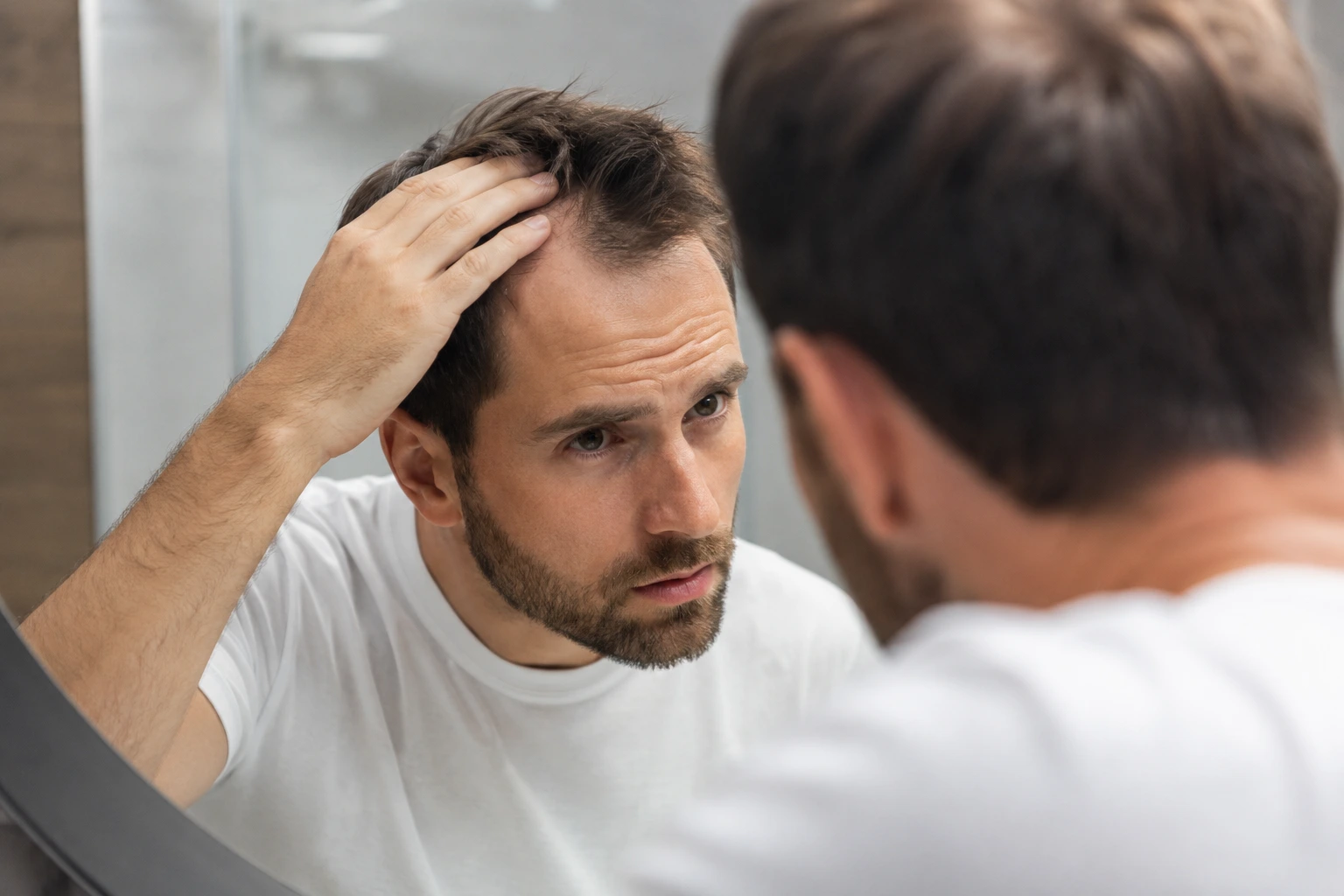
You’re noticing more hair in the shower drain, your part looks wider, and you’re wondering if something’s actually wrong or if this is just what getting older looks like—hair thinning early signs can feel alarming, but understanding what’s genuinely normal aging versus what deserves attention is the difference between peace of mind and unnecessary worry.
Understanding normal aging signs
As you move through your 60s, 70s, and beyond, your hair goes through predictable changes that are simply part of the aging process. Hair follicles naturally produce thinner strands over time, and the pigment cells that give your hair color gradually slow down production, leading to graying. Growth cycles also shift, meaning your hair may take longer to grow and shed more frequently. Consider this scenario: a woman who had thick, dark hair at 40 might notice by 65 that her hair feels finer to the touch, her natural color has faded to salt-and-pepper, and she needs haircuts less often because growth has slowed. This is completely normal. The key is recognizing that these gradual changes happen to nearly everyone and don’t signal disease or serious health problems. Your scalp remains healthy, you’re not losing clumps, and the thinning is uniform across your head rather than in patches.
- Hair may become finer and less dense.
- Color may lighten due to a decrease in pigment production.
- Growth rate may slow down, leading to shorter strands.
Signs that may signal a problem
Not all hair changes fall into the normal aging category, and knowing the difference can help you catch real issues early. Sudden hair loss that happens over weeks rather than years, bald patches that appear on your scalp, or hair that comes out in clumps when you shower are red flags worth investigating. Scalp irritation, redness, flaking, or itching accompanying hair loss can indicate conditions like seborrheic dermatitis or fungal infections. Imagine a man who notices his hairline receding gradually over decades, which is normal, versus one who loses a quarter of his hair in three months, which is not. Hormonal changes, nutritional deficiencies, thyroid disorders, stress, or medication side effects can all trigger abnormal hair loss in seniors. If your hair loss is accompanied by fatigue, weight changes, or other unexplained symptoms, these connections matter. A dermatologist or trichologist can run simple tests to identify whether you’re dealing with age-related changes or something that needs treatment.
📘 Fix your day in under 2 minuteschoose where to begin:
Maintaining hair health
Taking active steps to support your hair health now can slow the visible effects of aging and keep what you have looking and feeling better. Start with nutrition: your hair needs protein, iron, zinc, and B vitamins to stay strong. Eating salmon twice a week, adding leafy greens to meals, and including eggs or legumes provides building blocks your hair follicles depend on. Hydration matters too, not just for skin but for hair resilience. Many seniors don’t drink enough water, which can make hair more brittle. Beyond diet, how you treat your hair daily makes a real difference. Harsh blow-drying, tight hairstyles that pull on the scalp, and frequent chemical treatments accelerate damage. Instead, air-dry when possible, use a wide-tooth comb on wet hair, and choose gentle, sulfate-free shampoos designed for aging hair. Regular trims every 6 to 8 weeks prevent split ends from traveling up the hair shaft and making thinning more noticeable. Protecting your hair from sun damage by wearing a hat outdoors and avoiding chlorine in pools without rinsing first also preserves what you have.
Seeking professional advice
When you notice changes that concern you, scheduling an appointment with a dermatologist or trichologist gives you answers and options. These specialists can examine your scalp under magnification, assess hair density and texture, and sometimes order blood work to check for deficiencies or hormonal imbalances. They’ll ask about your medical history, current medications, stress levels, and diet because these all influence hair health. If you’re experiencing hair loss beyond normal aging, they might recommend treatments like minoxidil, dietary supplements, or addressing underlying conditions like thyroid problems. They can also rule out conditions that look like age-related thinning but require specific treatment. Many seniors hesitate to seek help because they assume hair loss is inevitable, but modern dermatology offers real solutions. Even if your hair loss is normal aging, a professional can suggest styling techniques, products, and care routines tailored to your specific hair type and concerns. This personalized guidance often makes a meaningful difference in how you feel about your appearance.
Embracing your hair journey
Your hair tells the story of your life, and the changes it undergoes are a reflection of the years you’ve lived and the experiences you’ve had. Rather than viewing graying or thinning as loss, many people find freedom in accepting these changes as markers of wisdom and authenticity. That said, acceptance doesn’t mean doing nothing. You can embrace your natural hair journey while also taking steps to keep it healthy and styled in ways that make you feel confident. Some seniors discover that a new haircut, a different color approach, or a fresh styling routine actually makes them feel more like themselves than they did years ago. The goal isn’t to fight aging but to age well, which means caring for your hair as part of caring for your overall health. Focus on what you can control: nutrition, hydration, gentle care, stress management, and professional guidance when needed. By doing this, you’re not just maintaining your hair, you’re investing in your wellbeing and self-confidence as you move forward.
Understanding the difference between normal hair changes as you age and those that may indicate an underlying issue is crucial for maintaining hair health. Embrace your hair journey with positivity and seek professional advice if you notice concerning changes.
Is hair thinning always a sign of a health problem?
Hair thinning can be a natural part of aging and may not always indicate a health issue. However, sudden or severe thinning should be evaluated by a healthcare professional.
How can I improve the health of my aging hair?
Eating a balanced diet, staying hydrated, using gentle hair care products, and avoiding harsh treatments can promote the health of aging hair.
Others also read:
Disclaimer: This article is for informational purposes only and is not a substitute for professional medical advice. Always consult a healthcare professional for personal guidance.
This guide has been prepared and reviewed by the GlobalHealthBeacon editorial team and reflects current medical research as of 2026. It provides structured, evidence-based information to support informed health decisions.
