You’ve heard the warnings, felt that creeping dread when you spot droppings in your garage, and wondered if you’re really at risk—hantavirus transmission basics matter more than you think, and here’s exactly what you need to know to protect yourself.
Understanding hantavirus transmission
Hantavirus spreads primarily through contact with infected rodents, their urine, droppings, or saliva, and this is where many women feel their anxiety spike. Imagine finding evidence of mice in your attic or discovering droppings near your kitchen pantry—that moment of realization can feel overwhelming. The virus can also spread when you inhale contaminated air particles, especially in poorly ventilated spaces where rodents have nested. Symptoms typically emerge between one to eight weeks after exposure and may include fever, muscle aches, and fatigue that feel similar to the flu. What makes this particularly concerning is that early symptoms are easy to dismiss as a common cold, which is why understanding the transmission route is your first line of defense. Women who live in rural areas, maintain gardens, or work in older buildings face elevated exposure risks. The key is recognizing that transmission happens through environmental contact, not through casual interaction with other people.
- Avoid direct contact with rodents or their droppings.
- Seal any holes or cracks in your home to prevent rodent entry.
- Keep food in airtight containers to avoid attracting rodents.
Recognizing early signs and symptoms
Early symptoms of hantavirus infection can feel deceptively like the flu, which is exactly why so many cases go undiagnosed initially. You might wake up with a fever, muscle aches that make you want to stay in bed, and a general sense of malaise that you attribute to seasonal illness. Days pass, and then you notice something different: shortness of breath when climbing stairs, a persistent cough that doesn’t respond to over-the-counter remedies, or a feeling of heaviness in your chest. These signals point toward Hantavirus Pulmonary Syndrome, the more severe form of the disease. The progression can happen quickly, which is why the window for seeking medical attention is critical. Women often delay reporting symptoms because they’re managing work, family, and other responsibilities, but ignoring these warning signs can have serious consequences. The emotional weight of uncertainty during this period is real—you’re questioning whether you’re overreacting or genuinely in danger. Trust your instincts and contact a healthcare provider the moment you suspect exposure or experience these symptoms.
💬 Ready to feel better in 2 minutes?choose where to begin:
Preventing hantavirus exposure
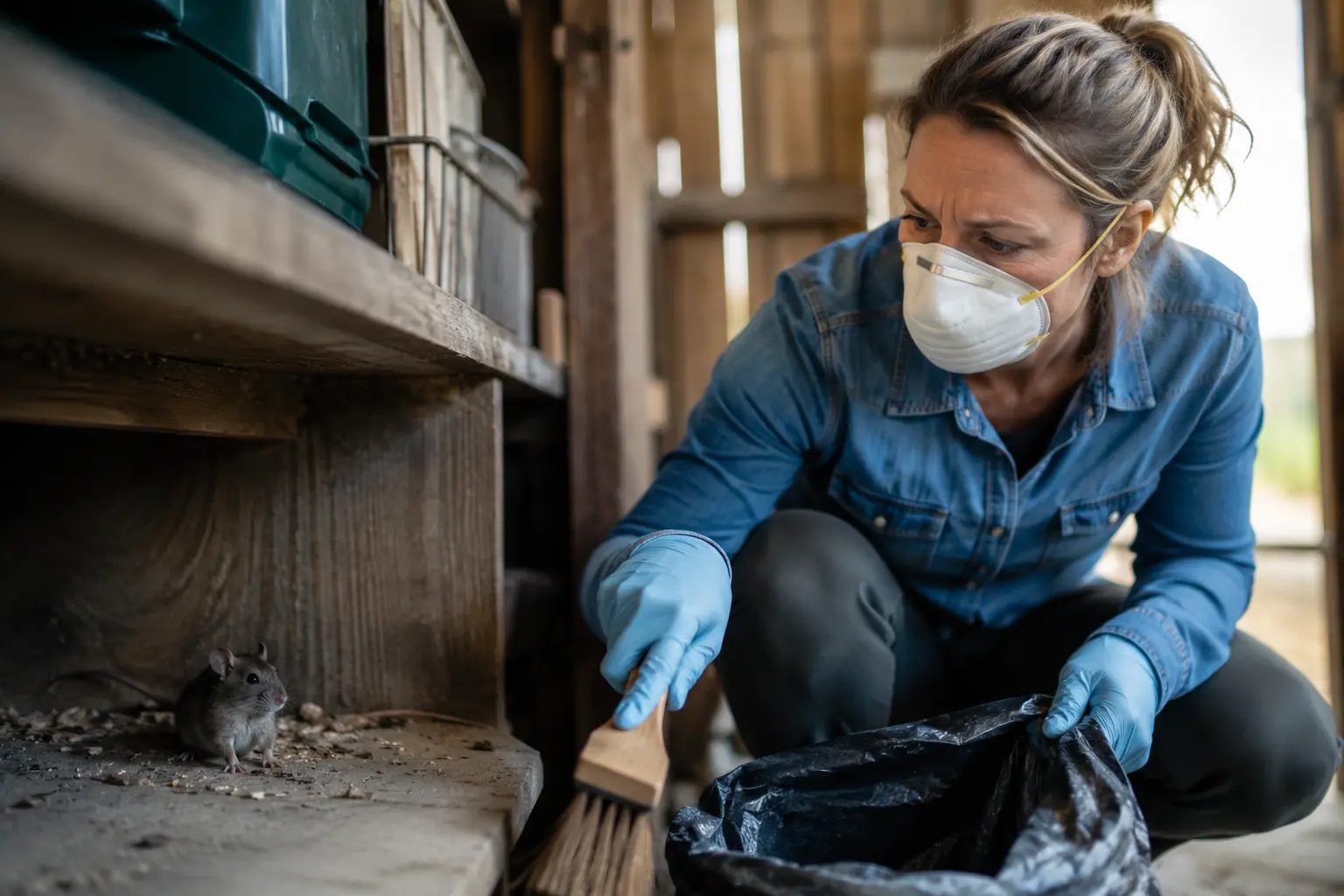
Prevention is genuinely your most powerful tool, and it starts with creating an environment that discourages rodent infestation in the first place. Maintain cleanliness in and around your living spaces by removing clutter, storing food properly, and sealing entry points before rodents even consider moving in. When you do need to clean areas where rodents may have been present, this is where protocol becomes essential. Put on gloves and a mask before you start, because the virus can become airborne during cleaning. Open windows and ventilate closed-up areas thoroughly before you begin any cleanup work. Use damp cloths rather than sweeping or vacuuming, which can kick up contaminated particles into the air. Many women underestimate the importance of this step, thinking a quick sweep will suffice, but proper technique genuinely makes the difference. Consider hiring professionals for extensive rodent cleanup if you’re uncomfortable handling it yourself. Regular home maintenance, including checking for gaps around pipes and sealing cracks in foundations, becomes part of your routine self-care. This proactive approach transforms anxiety into concrete action.
Seeking medical help
If you suspect hantavirus exposure or experience symptoms like fever, muscle pain, and shortness of breath, consulting a healthcare provider immediately moves you from worry into action. Don’t minimize your symptoms or wait to see if they improve on their own, because early diagnosis and treatment can genuinely improve outcomes. When you call your doctor, mention your potential exposure history—whether you found rodents in your home, worked in an area with rodent activity, or cleaned a contaminated space. This context helps your healthcare provider consider hantavirus among possible diagnoses rather than assuming you have a standard viral infection. Be honest about your timeline too, because knowing when symptoms started helps determine how far the infection has progressed. Your provider may recommend blood tests or imaging to confirm diagnosis and assess severity. The emotional relief of having professional guidance during this uncertain time cannot be overstated. You’re no longer navigating this alone, and medical professionals can monitor your condition, provide supportive care, and catch complications early. Taking this step is not overreacting—it’s taking your health seriously.
Hantavirus exposure is a serious concern, and understanding how it spreads, recognizing symptoms early, preventing exposure, and seeking prompt medical help are vital steps in safeguarding your health.
Can hantavirus be transmitted from person to person?
No, hantavirus does not spread from person to person. It is primarily transmitted through contact with infected rodents or their excreta.
Is there a vaccine for hantavirus?
Currently, there is no vaccine available for hantavirus. Prevention through proper hygiene and rodent control measures is key.
Others also read:
Disclaimer: This article is for informational purposes only and is not a substitute for professional medical advice. Always consult a healthcare professional for personal guidance.
This article presents an experience-based perspective and has been reviewed by the GlobalHealthBeacon editorial team in 2026. It provides structured, evidence-based information to support informed health decisions.

