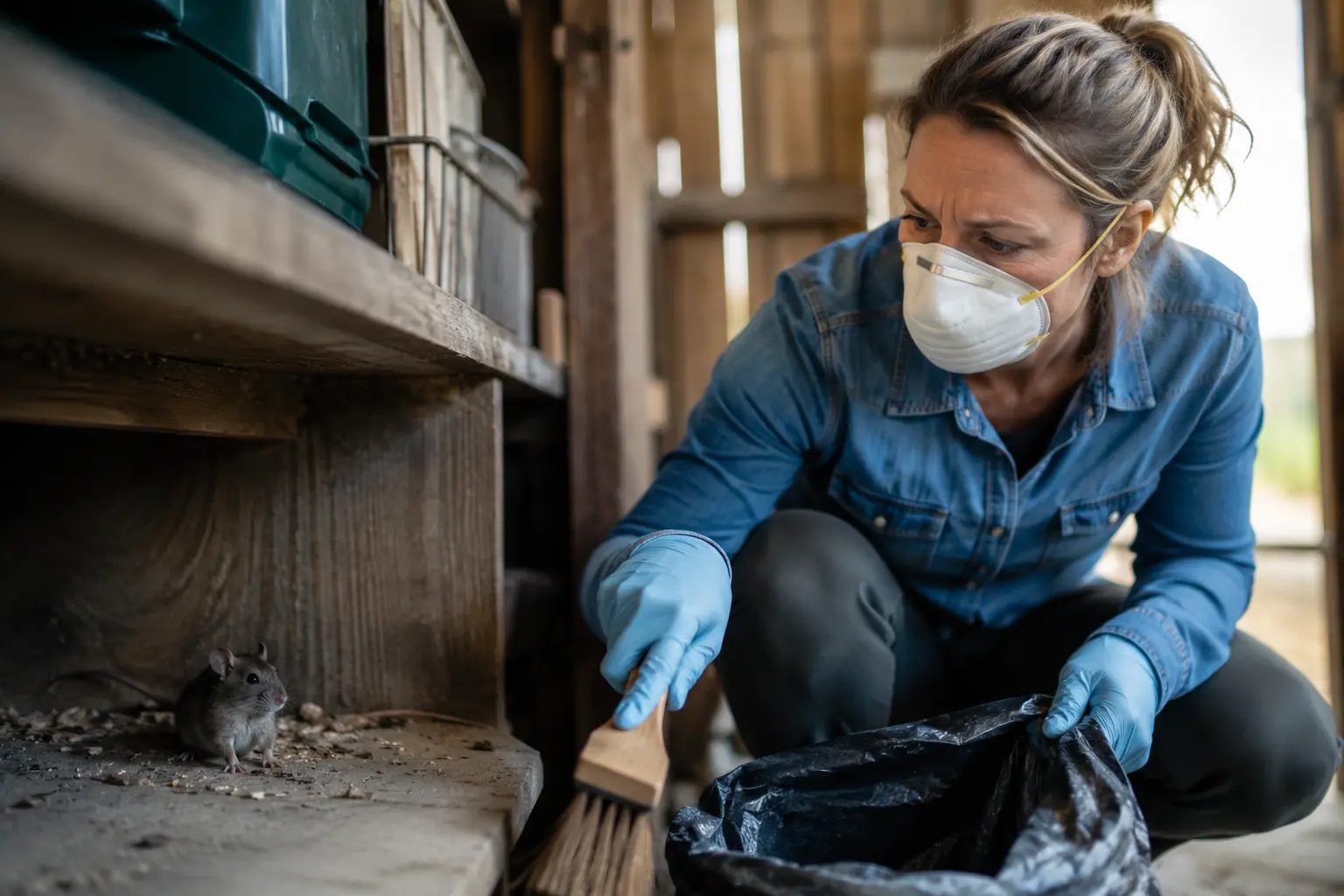
You’re cleaning out your garage or shed and suddenly realize you have no idea if those droppings are dangerous, and now you’re worried sick about hantavirus transmission basics and what it means for your health.
Understanding the hantavirus basics
Hantavirus is a rare but serious virus that spreads when you breathe in particles from infected rodent droppings, urine, or saliva. Think of it this way: a mouse or rat living in your attic or basement isn’t just a nuisance, it’s a potential health threat. The virus doesn’t spread through a bite or direct touch. Instead, when rodent droppings dry out and break apart, tiny particles become airborne. If you inhale them while sweeping, vacuuming, or cleaning, that’s when exposure happens. For seniors, this risk is higher because immune systems naturally weaken with age, making it harder for your body to fight off serious infections. Understanding how transmission actually works helps you take the right precautions without unnecessary panic. The key is knowing where rodents hide and how to handle contaminated areas safely.
- Avoid direct contact with rodents or their droppings.
- Keep your home clean and free of clutter to discourage rodent infestations.
- Ensure proper ventilation when cleaning areas where rodents may have been present.
Identifying potential risks
Risk factors for hantavirus exposure vary depending on where you live and how you spend your time. Rural areas, especially regions with large rodent populations, carry higher risk. But urban and suburban seniors aren’t exempt. Basements, attics, garages, and sheds are common rodent hotspots. If you garden, store firewood outside, or keep pet food in accessible areas, you’re creating an environment rodents find attractive. Seniors with diabetes, heart disease, or weakened immune systems face more severe complications if infected. Consider your living situation: do you live alone and handle your own home maintenance? Are you spending time in older buildings or storage areas? These questions matter because they help you assess your personal risk level. Being honest about your exposure potential allows you to take targeted prevention steps rather than worrying about unlikely scenarios.
📘 Fix your day in under 2 minuteschoose where to begin:
Effective cleaning practices
When you discover rodent droppings or suspect contamination, the cleaning method matters as much as the effort itself. Never sweep or vacuum dry droppings, as this kicks particles into the air. Instead, spray the area with a disinfectant solution (one part bleach to nine parts water works well) and let it sit for five minutes. This dampens particles so they don’t become airborne. Wear disposable gloves, an N95 mask, and eye protection. Open windows for ventilation before you start. For larger contaminated areas, consider hiring a professional pest control service experienced with hantavirus cleanup. After cleaning, seal entry points where rodents entered using steel wool and caulk. Regularly inspect your home for new droppings or signs of rodent activity. Many seniors find it helpful to do a monthly walk-through of basement, attic, and garage areas. This routine catches problems early before they become serious.
Seeking medical attention
Early symptoms of hantavirus infection can feel like the flu: fever, muscle aches, fatigue, and headaches. Some people also experience nausea, vomiting, or abdominal pain. Here’s what makes hantavirus serious: symptoms can progress to respiratory distress within days. If you’ve had potential exposure and develop these symptoms within two to eight weeks, contact your doctor immediately. Tell them about your possible rodent exposure so they can test for hantavirus. Don’t wait to see if symptoms improve on their own. Early medical care improves outcomes significantly. Keep a record of when you might have been exposed and what symptoms appeared when. This information helps your healthcare provider make a faster diagnosis. In some cases, hospitalization may be necessary for oxygen support and close monitoring. Seniors should never dismiss flu-like symptoms if rodent exposure is possible.
Creating a protective environment
Your home should be a fortress against rodent entry. Start by sealing cracks and gaps larger than one quarter inch around pipes, vents, and foundation areas. Rodents can squeeze through surprisingly small openings. Store food in airtight containers, including pet food and birdseed. Remove clutter where rodents can hide: stacks of boxes, old newspapers, or unused furniture. Keep your kitchen clean, wiping down counters and sweeping floors daily. Don’t leave dishes in the sink overnight. Outside, trim vegetation away from your home’s foundation and remove debris piles. Store firewood at least 20 feet away from your house. Install chimney caps and ensure attic vents have screens. For seniors who find these tasks physically challenging, hiring a handyperson or pest control professional is a smart investment. A rodent-free home isn’t just about comfort, it’s about protecting your health during your senior years when prevention becomes increasingly important.
Key prevention methods against hantavirus transmission include avoiding contact with rodents, practicing safe cleaning habits, staying vigilant for symptoms, and maintaining a rodent-free living environment.
What are the typical symptoms of hantavirus?
Common symptoms of hantavirus include fever, muscle aches, fatigue, and respiratory issues. Seek medical attention if you experience these symptoms.
Is there a vaccine against hantavirus?
Currently, there is no vaccine available to prevent hantavirus infection. Prevention mainly involves avoiding contact with rodents and their droppings.
Others also read:
Disclaimer: This article is for informational purposes only and is not a substitute for professional medical advice. Always consult a healthcare professional for personal guidance.
This guide has been prepared and reviewed by the GlobalHealthBeacon editorial team and reflects current medical research as of 2026. It provides structured, evidence-based information to support informed health decisions.

