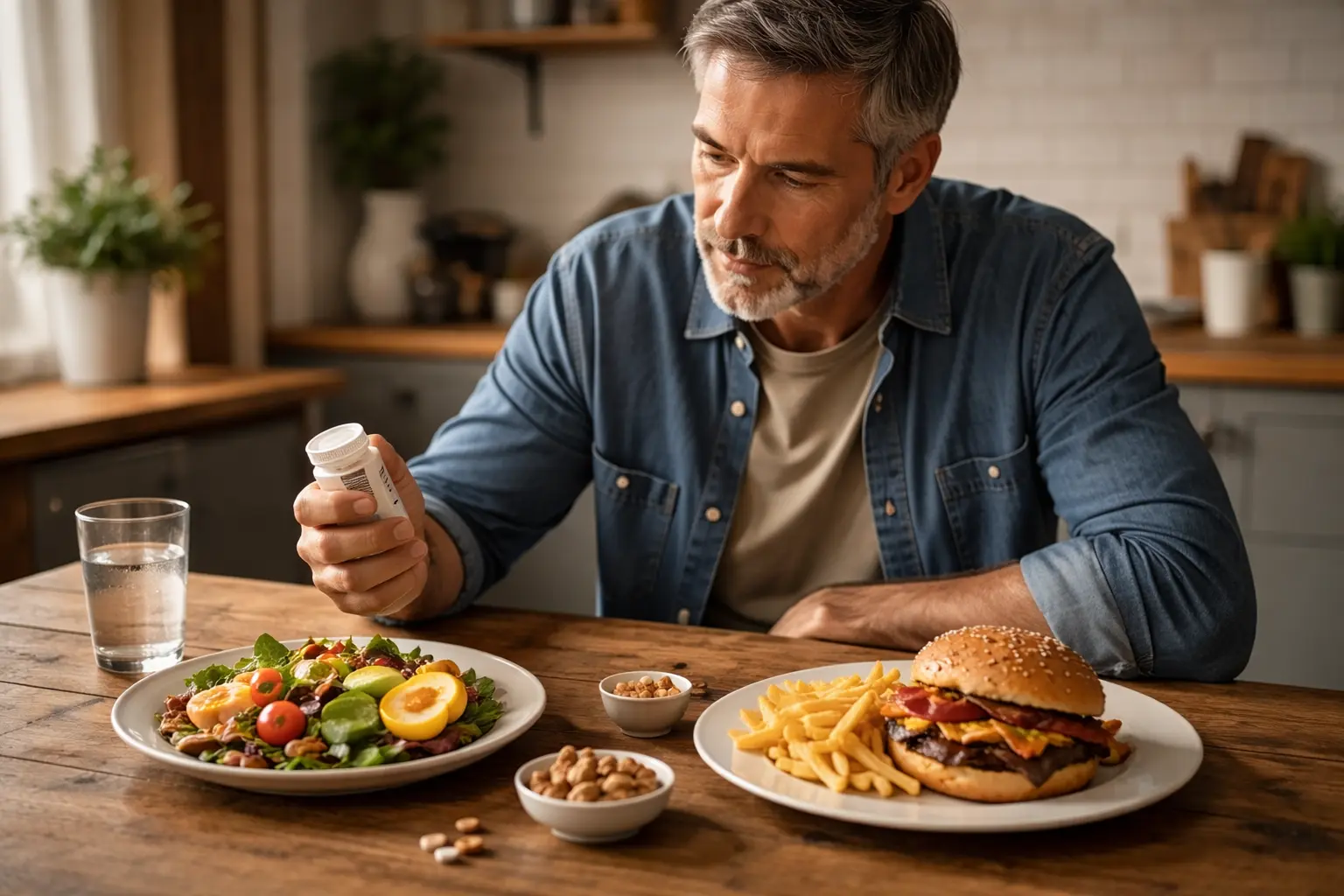
Your doctor mentions your cholesterol numbers and suddenly you’re drowning in confusion about hdl versus ldl cholesterol, wondering if you’re heading toward heart disease, and feeling like your body is working against you.
Understanding HDL and LDL cholesterol
Think of HDL and LDL cholesterol like delivery trucks on your bloodstream highways. LDL, the bad cholesterol, drops off packages of cholesterol at your artery walls, gradually building up plaque that narrows your vessels and restricts blood flow. HDL, the good cholesterol, acts like a cleanup crew, picking up excess cholesterol and hauling it back to your liver for disposal. For women especially, maintaining strong HDL levels becomes increasingly important after menopause, when estrogen levels drop and cardiovascular risk rises. A typical healthy profile means HDL above 50 mg/dL and LDL below 100 mg/dL, though your doctor may recommend different targets based on your personal risk factors. Understanding this difference empowers you to make informed choices about diet, exercise, and lifestyle that directly impact these numbers.
- Incorporate heart-healthy fats like avocados and nuts into your diet.
- Engage in regular exercise to raise HDL levels and lower LDL levels.
- Consume soluble fiber-rich foods like oats and legumes to improve cholesterol profile.
Healthy eating for optimal cholesterol levels
Your kitchen is your first line of defense against poor cholesterol. Start by swapping refined grains for whole grains like brown rice, quinoa, and whole wheat bread, which contain fiber that binds to cholesterol and removes it from your body. Choose lean proteins such as skinless chicken, fish rich in omega-3 fatty acids like salmon and mackerel, and plant-based options like lentils and chickpeas. Fill half your plate with colorful fruits and vegetables at every meal, aiming for variety to maximize nutrient intake. Replace butter and cream-based sauces with olive oil, which contains compounds that support heart health. A practical example: instead of a midday sandwich on white bread with processed deli meat, try whole grain bread with grilled chicken breast, spinach, tomato, and a spread of avocado. When dining out, ask for dressings on the side and request grilled instead of fried preparations. Small, consistent swaps compound into significant cholesterol improvements over weeks and months.
📘 Fix your day in under 2 minuteschoose where to begin:
Regular physical activity for heart health
Exercise is medicine for your cholesterol profile, and you don’t need extreme workouts to see results. Aim for at least 150 minutes of moderate-intensity aerobic activity each week, which means moving at a pace where you can talk but not sing. This could be brisk walking, cycling, swimming, or dancing, spread across most days rather than cramming it into one or two sessions. A realistic scenario: a woman working a desk job might take a 30-minute walk during lunch four days a week and do a 45-minute yoga or swimming session on weekends. Strength training two to three times weekly amplifies benefits by building muscle, which increases your metabolic rate and improves how your body processes cholesterol. Even short bursts of activity matter, so climbing stairs, parking farther away, or doing 10-minute workout videos throughout your day adds up. The key is finding activities you actually enjoy, because consistency beats intensity when it comes to long-term cholesterol management.
Lifestyle modifications for improved cholesterol
Beyond diet and exercise, your daily habits shape your cholesterol numbers significantly. Smoking damages your artery walls and lowers HDL, so quitting is one of the fastest ways to improve your cholesterol profile, with benefits appearing within weeks. Stress management matters more than many women realize, since chronic stress triggers inflammation and hormonal changes that worsen cholesterol ratios. Incorporate relaxation practices into your routine: try yoga twice weekly, meditate for 10 minutes each morning, practice deep breathing during stressful moments, or journal before bed. Sleep quality also impacts cholesterol, so aim for seven to nine hours nightly and maintain a consistent sleep schedule. Consider limiting alcohol, as excessive drinking raises triglycerides and interferes with cholesterol metabolism. A practical approach: identify your biggest stress trigger, whether it’s work deadlines or family obligations, and pair it with a specific calming response, like a walk or breathing exercise. These lifestyle shifts work synergistically with diet and exercise, creating a powerful foundation for heart health.
Routine check-ups and monitoring
Knowledge of your numbers is power. Schedule a lipid panel blood test with your healthcare provider at least once every four to six years if your cholesterol is normal, or more frequently if you have risk factors like family history, diabetes, or previous heart disease. Your results include four key numbers: total cholesterol, LDL, HDL, and triglycerides, each telling part of your heart health story. Keep a simple record of these numbers and dates so you can track trends over time and see how your lifestyle changes affect your results. Discuss your personal targets with your doctor, as recommendations vary based on age, family history, and existing health conditions. Many women benefit from retesting after three months of diet and exercise changes to assess progress before considering medication. Use these appointments as opportunities to ask questions, share challenges you’re facing with lifestyle changes, and adjust your strategy if needed. Regular monitoring transforms abstract health goals into concrete, measurable progress that motivates continued effort.
Optimizing HDL and LDL cholesterol levels is crucial for heart health. Focus on a balanced diet, regular exercise, lifestyle changes, and routine monitoring to maintain optimal cholesterol ratios and reduce cardiovascular risk.
What are some natural ways to increase HDL cholesterol levels?
To boost HDL cholesterol naturally, incorporate heart-healthy fats, engage in regular physical activity, and consume soluble fiber-rich foods. Lifestyle modifications like quitting smoking and managing stress can also help raise HDL levels.
How can women improve their cholesterol profile?
Women can enhance their cholesterol profile by adopting a heart-healthy diet, engaging in regular exercise, quitting smoking, and managing stress effectively. Monitoring cholesterol levels through routine check-ups is essential for maintaining heart health.
Others also read:
Disclaimer: This article is for informational purposes only and is not a substitute for professional medical advice. Always consult a healthcare professional for personal guidance.
This guide has been prepared and reviewed by the GlobalHealthBeacon editorial team and reflects current medical research as of 2026. It provides structured, evidence-based information to support informed health decisions.
