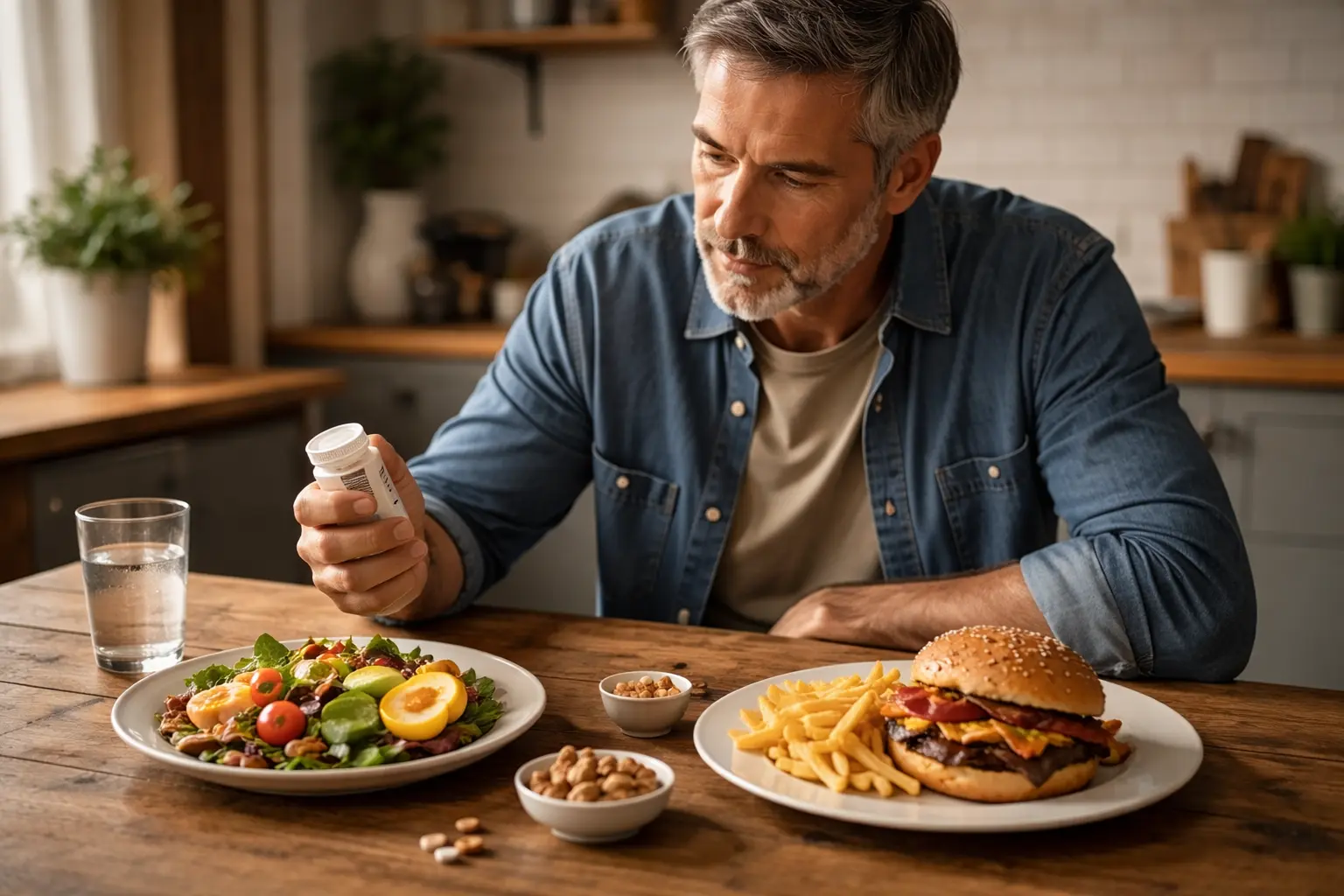
Your doctor drops the cholesterol bomb at your checkup, rattling off numbers about hdl versus ldl cholesterol, and suddenly you’re spiraling wondering if your 20s or 30s are already catching up with you.
Understanding the basics
HDL and LDL are two distinct types of cholesterol circulating in your bloodstream, and they work in almost opposite directions. Think of HDL as your cleanup crew. It actively hunts down excess cholesterol floating around your arteries and blood vessels, then hauls it back to your liver where it gets processed and removed from your body. LDL, on the other hand, is like a delivery truck that can get stuck in traffic. It carries cholesterol from your liver to various cells, but when there’s too much of it, it starts depositing cholesterol along your artery walls, creating sticky plaque buildup. This distinction matters because one protects your heart while the other can slowly damage it over time. Young adults often dismiss cholesterol as a problem for older people, but your habits now directly shape whether you’ll face cardiovascular issues at 45 or 65.
- HDL helps protect against heart disease by carrying cholesterol away from the arteries to the liver for removal.
- LDL can contribute to atherosclerosis, a narrowing and hardening of the arteries.
- A healthy balance between HDL and LDL levels is essential for overall cardiovascular health.
How lifestyle impacts cholesterol
Your daily choices are the primary lever controlling your cholesterol numbers, far more than genetics for most people. The foods you eat directly influence both HDL and LDL levels. Consuming trans fats and excessive saturated fats from processed foods, fried takeout, and fatty meats pushes LDL higher, while healthy unsaturated fats from avocados, nuts, olive oil, and fatty fish actually raise HDL. Exercise works like a cholesterol optimizer. Even 30 minutes of moderate activity most days increases HDL production and helps your body process LDL more efficiently. Smoking is a major saboteur that tanks your HDL while promoting LDL oxidation, making it even more damaging. Stress and poor sleep also quietly worsen cholesterol profiles. A young adult eating fast food daily, skipping the gym, and burning the candle at both ends might have cholesterol levels resembling someone 20 years older. The encouraging part is that these factors are entirely within your control.
📘 Fix your day in under 2 minuteschoose where to begin:
Understanding cholesterol numbers
Cholesterol measurements come in milligrams per deciliter of blood, and knowing your targets helps you understand where you stand. For HDL, aim for 60 mg/dL or higher, with higher being better because more cleanup crew means better protection. LDL should stay below 100 mg/dL for general health, though some cardiologists recommend below 70 mg/dL if you have other risk factors. Your total cholesterol should ideally be under 200 mg/dL. Many young adults skip cholesterol screening because they feel fine, but cholesterol buildup happens silently without symptoms. Getting a baseline test in your 20s or early 30s gives you a reference point and reveals whether you need to adjust habits now rather than discovering problems during a health scare later. If you have family history of heart disease, high blood pressure, or diabetes, earlier screening becomes even more important. Regular monitoring every 4 to 6 years for healthy adults, or annually if numbers are borderline, keeps you informed and accountable.
Managing cholesterol levels
If your test results show LDL creeping up or HDL dropping, your healthcare provider will typically recommend lifestyle interventions first. This means a concrete plan: swap processed snacks for whole foods, add 150 minutes of weekly cardio, quit smoking if applicable, and manage stress through meditation or exercise. Track these changes for 3 months, then retest to see if numbers improve. Many young adults see significant improvements just from diet and exercise without medication. If lifestyle changes alone don’t bring numbers into healthy ranges, or if you have genetic predisposition to high cholesterol, medication like statins may be recommended. Taking medication doesn’t mean you failed or can abandon healthy habits. Instead, it means you’re using all available tools to protect your heart. Some people need both medication and lifestyle changes working together. Your provider can explain which approach fits your specific situation based on your numbers, age, and other health factors.
Taking control of your heart health
Your cardiovascular system will either thank you or resent you based on the choices you make this decade. Starting now with cholesterol awareness puts you ahead of most young adults who ignore these numbers until a health crisis forces their hand. You don’t need to overhaul everything overnight. Pick one change: swap soda for water, add a weekly gym session, or reduce fried food. After two weeks, add another. Small consistent changes compound into dramatically different health outcomes over 10, 20, or 30 years. Getting your cholesterol checked is the first real step. Knowing your HDL and LDL numbers transforms them from abstract health concepts into personal data you can actually act on. Share your results with a doctor or registered dietitian who can give you specific guidance tailored to your numbers and lifestyle. Your future self will appreciate the effort you invest now in understanding and managing cholesterol.
Understanding the distinction between HDL and LDL cholesterol is crucial for maintaining a healthy heart. Lifestyle choices and regular monitoring play key roles in managing cholesterol levels effectively.
Can I improve my HDL cholesterol levels naturally?
Yes, adopting a healthy lifestyle that includes a balanced diet rich in fruits, vegetables, and lean proteins, along with regular exercise, can help raise your HDL cholesterol levels naturally.
What are the main risks associated with high LDL cholesterol?
High LDL cholesterol levels increase the risk of heart disease, stroke, and other cardiovascular conditions. It’s important to keep LDL levels in check to protect your heart health.
Others also read:
Disclaimer: This article is for informational purposes only and is not a substitute for professional medical advice. Always consult a healthcare professional for personal guidance.
This guide has been prepared and reviewed by the GlobalHealthBeacon editorial team and reflects current medical research as of 2026. It provides structured, evidence-based information to support informed health decisions.
