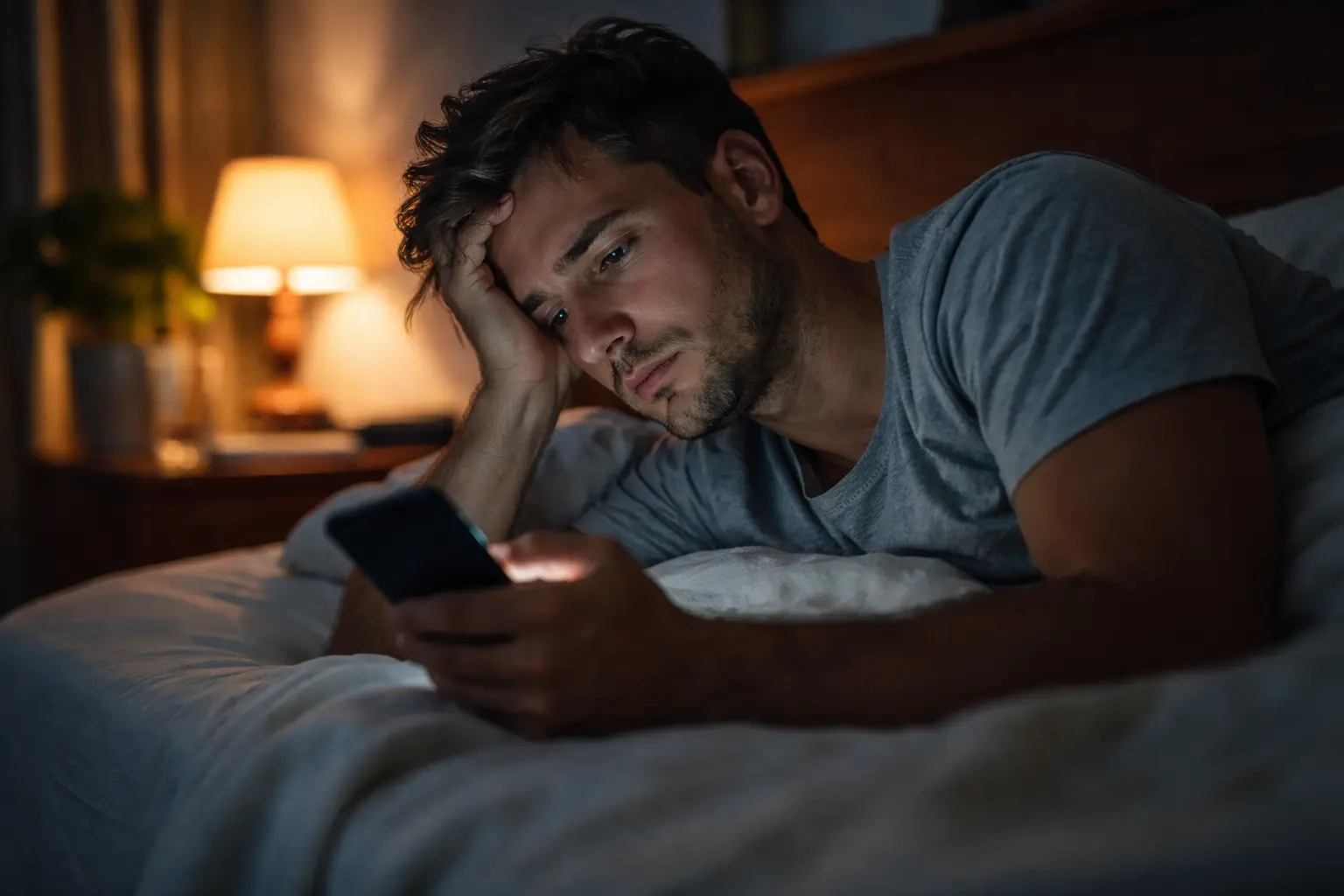
Your eyes burn, your head throbs, and you realize you’ve been staring at your phone for three hours straight without moving, and that nagging feeling that something’s off with your health keeps creeping in because the health implications of using screens are finally catching up with you.
Digital eye strain: the silent menace
Digital eye strain sneaks up on you without warning. You’re answering emails, scrolling through social media, or working on a spreadsheet, and suddenly your eyes feel gritty and tired. This happens because when we focus on screens, we blink less frequently, leaving our eyes dry and strained. Imagine spending eight hours at your desk, then coming home to unwind by watching Netflix for another two hours. By the end of the day, your eyes are burning, your vision feels fuzzy, and you have a dull headache that won’t quit. The 20-20-20 rule is a game-changer here: every 20 minutes, step away and look at something 20 feet away for 20 seconds. Simple, but it works. You can also adjust your screen brightness to match your surroundings, position your monitor at eye level, and use blue-light filtering glasses or screen protectors.
- Staring at screens for long durations can cause eye strain and fatigue.
- Frequent blinking and taking breaks can alleviate digital eye strain.
- Adjusting screen brightness, positioning, and using blue-light filters can help reduce eye discomfort.
The sleep disruptor: blue light exposure
Blue light from your phone or laptop is like an invisible saboteur of your sleep. You scroll through your phone in bed at 10 PM, telling yourself you’ll just check one more thing, then another. Two hours pass and you finally put it down, but your mind is racing and your eyes feel wired. This happens because blue light suppresses melatonin production, the hormone that tells your body it’s time to sleep. Your circadian rhythm gets confused, and suddenly you’re lying awake at midnight, frustrated and exhausted. Women often juggle work, family, and personal responsibilities, making evening screen time a default wind-down habit. Try setting a screen curfew at least one hour before bed. Use your phone’s night mode or wear blue-light blocking glasses. Keep devices out of the bedroom entirely if possible. Your sleep quality will improve dramatically, and you’ll wake up feeling genuinely rested instead of groggy.
💬 Ready to feel better in 2 minutes?choose where to begin:
Screen time vs. physical activity
Hours of screen time often mean hours of sitting still. You’re hunched over a desk, then commuting, then collapsing on the couch with your phone. Your body starts to feel stiff, your energy dips, and gradually weight creeps on. Physical activity isn’t just about fitness; it’s about how you feel day-to-day. When you move, your mood lifts, your energy surges, and stress melts away. The sedentary trap is real for women balancing work and home responsibilities. Break the cycle by scheduling movement like you would a meeting. Take a 15-minute walk during lunch, do a quick yoga session in the morning, or dance while cooking dinner. Even small bursts of activity throughout the day add up. Notice how your body feels more energized and your mind clearer when you’re not glued to a screen.
Social disconnection in a connected world
You’re texting friends constantly, but you can’t remember the last time you had a real conversation over coffee. You’re scrolling through others’ highlight reels while feeling lonely in your own life. This paradox of connection and isolation is real for many women. Screens can create an illusion of closeness while actual human connection fades. Real relationships require presence, eye contact, and vulnerability that no text message can replicate. Notice how you feel after an hour of scrolling versus an hour spent with someone you care about in person. The difference is profound. Make intentional time for face-to-face interactions. Join a class, meet friends without phones, or have a meal where devices stay in bags. These moments of genuine connection nourish your emotional well-being in ways screens simply cannot.
Screen use can impact women’s well-being by causing digital eye strain, disrupting sleep patterns, reducing physical activity, and fostering social disconnection. Awareness and moderation in screen usage are key to maintaining overall health and happiness.
How can I reduce digital eye strain from screen use?
To reduce digital eye strain, practice the 20-20-20 rule (take a 20-second break every 20 minutes and look at something 20 feet away), adjust screen settings for optimal brightness and contrast, and use blue-light filters.
What are some tips for balancing screen time with physical activity?
Balancing screen time with physical activity involves scheduling regular breaks for movement, incorporating outdoor activities, setting limits on screen use, and engaging in hobbies that require physical exertion.
Others also read:
Disclaimer: This article is for informational purposes only and is not a substitute for professional medical advice. Always consult a healthcare professional for personal guidance.
This article presents an experience-based perspective and has been reviewed by the GlobalHealthBeacon editorial team in 2026. It provides structured, evidence-based information to support informed health decisions.
← Back to the main health implications of using screens page
