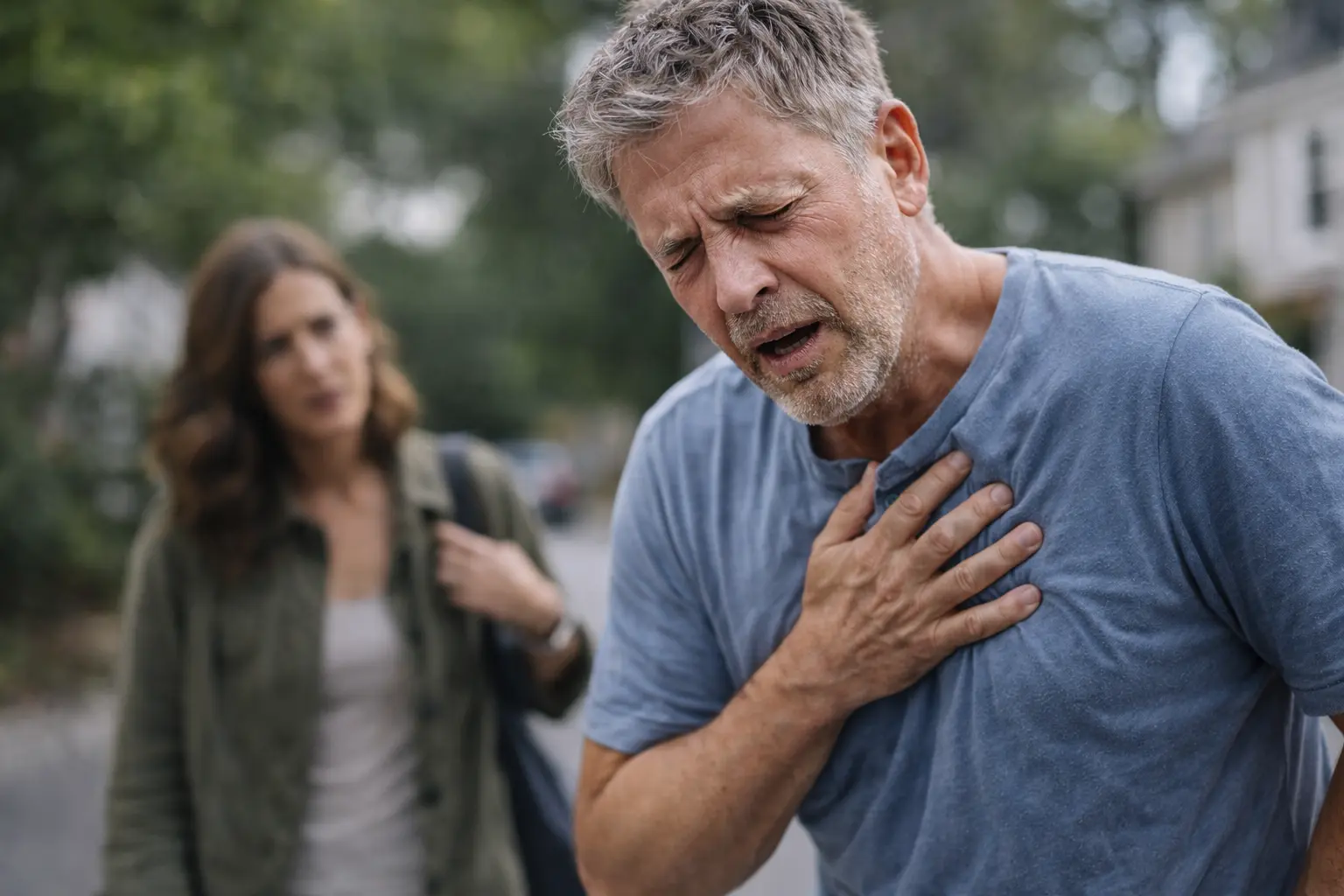
You wake up feeling completely wiped out, dragging yourself through the day like you haven’t slept in weeks, and that nagging pressure in your chest just won’t quit, so you finally decide to listen to your body and learn about heart attack warning signs before it’s too late.
Sudden, unexplained fatigue
Sarah thought she was just getting older. At 52, she chalked up her exhaustion to long work hours and stress. But this wasn’t her usual tired. She’d wake up after eight hours of sleep feeling like she’d run a marathon. Her body felt heavy, her mind foggy, and even a simple walk to the mailbox left her gasping. She pushed through for three days before mentioning it to her sister, who immediately said those words that changed everything: get checked out. That extreme fatigue, the kind that doesn’t improve with rest and shows up suddenly, is what many women miss. They blame their schedules, their age, hormones, anything but their heart. The exhaustion can feel all-consuming, making even basic tasks feel impossible. Recognizing this as a potential warning sign rather than just a bad week can mean the difference between catching something early and facing a crisis.
- Heavy pressure on the chest
- Severe shortness of breath
- Extreme fatigue lasting for days
Discomfort in the upper body
Jennifer felt it first in her left arm. Not pain exactly, but a strange heaviness and dull ache that came and went. Then it moved to her back, between her shoulder blades, like someone was pressing down on her spine. She mentioned it casually at dinner, and her husband’s face went pale. He’d heard about this. Women often describe upper body discomfort differently than the classic chest pain men report. It might feel like pressure in your shoulders, a nagging ache in your jaw, or that weird sensation radiating down your arm. Some women say it feels like someone’s sitting on their chest. Others notice it in their neck or upper back. The key is that it feels unusual for your body, it’s persistent, and it doesn’t go away with stretching or rest. This discomfort can easily be mistaken for muscle tension or poor posture, which is why so many women delay seeking help. Paying attention to what feels different and trusting that instinct is crucial.
💬 Ready to feel better in 2 minutes?choose where to begin:
Shortness of breath
Maria was climbing the stairs to her apartment, something she’d done a thousand times, when suddenly she couldn’t catch her breath. It wasn’t the normal winded feeling from exertion. This was different. Her chest felt tight, her lungs couldn’t seem to fill no matter how deeply she breathed, and panic started creeping in. That’s when she realized this wasn’t just being out of shape. Shortness of breath that comes on suddenly and sticks around is a major red flag many women experience. You might notice it during minimal activity, like walking slowly or sitting down. Some women describe it as a tightness in the chest that makes breathing feel labored. Unlike normal breathlessness from exercise, this kind doesn’t improve quickly with rest. It can feel terrifying because you’re hyperaware of every breath, which can amplify the anxiety. The combination of shortness of breath with other symptoms like fatigue or chest discomfort makes it even more important to seek medical attention immediately rather than waiting it out.
Nausea and dizziness
Michelle thought she had the flu. She felt queasy, slightly dizzy, and generally unwell. She made tea, lay down, and waited for it to pass. But it didn’t. The nausea lingered, and the dizziness came in waves, especially when she stood up. She almost dismissed the whole thing until her daughter asked if she was feeling okay and suggested she might need to see a doctor. Nausea and dizziness are symptoms that get overlooked constantly because they’re so common and tied to so many other things. You might feel lightheaded, like the room is spinning slightly, or experience a queasy stomach that makes you want to lie down. Some women report feeling clammy or breaking into a cold sweat alongside these symptoms. The danger is that nausea is easy to blame on food, stress, or hormones. But when it shows up alongside other warning signs, especially if it’s unusual for you and doesn’t have an obvious cause, it deserves attention. Recognizing the pattern of multiple symptoms happening together is what transforms vague discomfort into actionable awareness.
Women shared their harrowing experiences of recognizing heart attack warning signs, from sudden fatigue to discomfort in the upper body, shortness of breath, and nausea and dizziness. These real-life stories serve as a poignant reminder to listen to your body and act swiftly when symptoms arise.
Can heart attack symptoms be different in women than men?
Yes, women can experience different heart attack symptoms than men. While chest pain is common in both genders, women may also have symptoms like nausea, fatigue, and upper body discomfort.
What should I do if I notice these warning signs?
If you experience any of the warning signs of a heart attack, especially if they are severe or persistent, seek immediate medical attention. Don’t delay in getting help as quick action is crucial in such situations.
Others also read:
Disclaimer: This article is for informational purposes only and is not a substitute for professional medical advice. Always consult a healthcare professional for personal guidance.
This article presents an experience-based perspective and has been reviewed by the GlobalHealthBeacon editorial team in 2026. It provides structured, evidence-based information to support informed health decisions.
