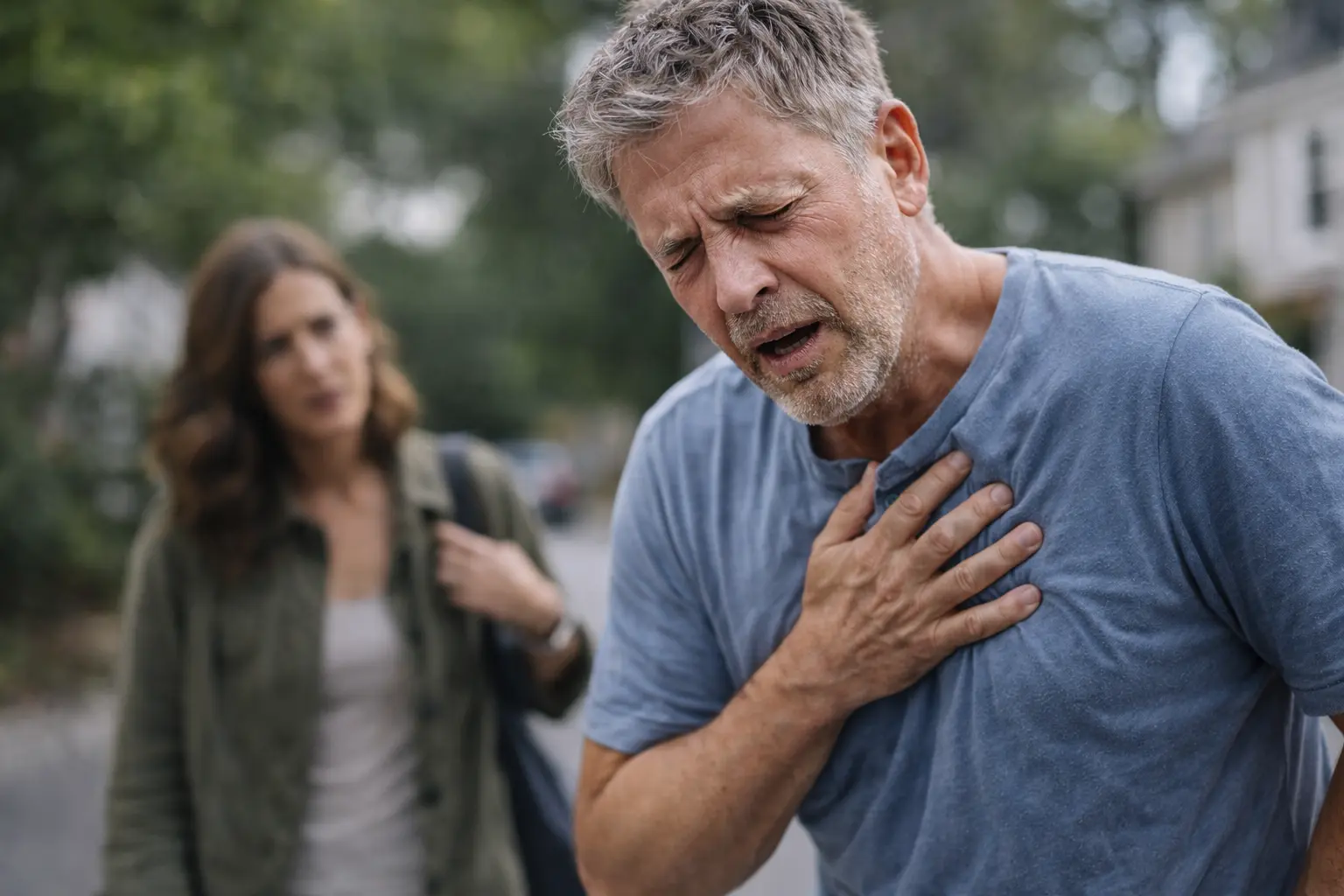
That weird chest tightness won’t leave you alone, your arm feels heavy for no reason, and suddenly you’re sweating through your shirt at 2am – these are the heart attack warning signs nobody tells you about, and they’re happening to people your age right now.
Recognizing the signals
Chest pain isn’t always the dramatic, crushing sensation you see in movies where someone clutches their chest and collapses. Real life is messier and more confusing than that. Sometimes it starts as a subtle squeezing sensation, like something’s sitting on your ribcage. Other times it feels like heartburn that won’t quit, or a dull ache you initially blame on stress or sleeping wrong. I’ve heard from people who described it as pressure, tightness, or even just an odd heaviness they couldn’t quite name. The problem is that these vague sensations are easy to dismiss when you’re young and think your body is invincible. You might convince yourself it’s anxiety, caffeine jitters, or muscle tension from hunching over your laptop. But your body is trying to communicate something important. Listen to it. Pay attention to what feels different or off, especially if it lingers or gets worse with activity.
- Shortness of breath, especially with exertion
- Discomfort in the upper body – arms, back, neck, jaw, or stomach
- Cold sweats, dizziness, or nausea
Assessing the risks
Risk factors aren’t just for older people with grey hair and retirement plans. Your age doesn’t automatically protect you, especially if other pieces of the puzzle are already in place. If heart disease runs in your family, that genetic predisposition is real and active right now, regardless of how young you are. Diabetes, high cholesterol, and high blood pressure don’t announce themselves loudly either. You might have them without knowing it. Then there’s the lifestyle stuff: smoking, even occasionally, damages your arteries faster than you’d think. A sedentary lifestyle where you sit for eight hours at work then come home and sit more accelerates the problem. Chronic stress keeps your body in fight-or-flight mode, which strains your heart over time. Poor diet, excessive alcohol, and lack of sleep all add up. The key is understanding that these factors don’t work in isolation. One or two might not seem like a big deal, but combined, they create a perfect storm. Knowing where you stand gives you the power to make different choices starting today.
💬 Ready to feel better in 2 minutes?choose where to begin:
Seeking help immediately
This is where hesitation becomes dangerous. When symptoms hit, your instinct might be to wait and see if it passes, to convince yourself you’re overreacting, or to worry about looking foolish at the emergency room if it turns out to be nothing. That hesitation can cost you. Every minute that passes during a heart attack is a minute your heart muscle isn’t getting enough oxygen. Damage accumulates fast. The person who gets to the hospital within the first hour has dramatically better outcomes than someone who waits. Don’t minimize your symptoms because you’re young or because you think you’re healthy. Don’t let embarrassment or skepticism keep you from calling for help. If you’re experiencing chest discomfort, shortness of breath, or that cold-sweat feeling, especially if it’s accompanied by other symptoms, call emergency services immediately. Don’t drive yourself. Don’t wait for symptoms to get worse. Don’t hope it goes away on its own. Time is literally the difference between recovery and permanent damage.
Making heart health a priority
Your twenties and thirties feel like forever, like you have unlimited time to figure out your health later. But the truth is that the damage starts now, silently and invisibly. The good news is that you still have the power to change course. Starting now with preventive habits creates a completely different future for yourself. Eat a diet that actually nourishes your heart – more whole foods, less processed stuff, less added sugar and sodium. Move your body regularly, not in a punishing way, but in a way that feels sustainable. That could be walking, dancing, swimming, cycling, or anything that gets your heart rate up a few times a week. Manage stress through whatever works for you: meditation, journaling, talking to friends, therapy, or exercise. These aren’t optional extras or things to do when you have time. They’re the foundation of a life where you’re not constantly worried about your heart. Get regular check-ups so you actually know your numbers. Know your blood pressure, cholesterol, and blood sugar levels. These aren’t just numbers on a paper – they’re your early warning system.
Understanding the subtle signs of a heart attack can be a matter of life and death. Recognizing symptoms, knowing risk factors, acting promptly, and prioritizing heart health are vital steps young adults can take to safeguard their well-being.
Can young adults have heart attacks?
Yes, young adults can have heart attacks, although less common. Understanding the warning signs and risk factors is essential for early detection and prevention.
Should I worry about chest pain even if I’m young?
Any unexplained chest pain, especially when accompanied by other symptoms like shortness of breath or discomfort in the upper body, should not be dismissed. It’s crucial to seek medical help, regardless of age.
Others also read:
Disclaimer: This article is for informational purposes only and is not a substitute for professional medical advice. Always consult a healthcare professional for personal guidance.
This article presents an experience-based perspective and has been reviewed by the GlobalHealthBeacon editorial team in 2026. It provides structured, evidence-based information to support informed health decisions.
