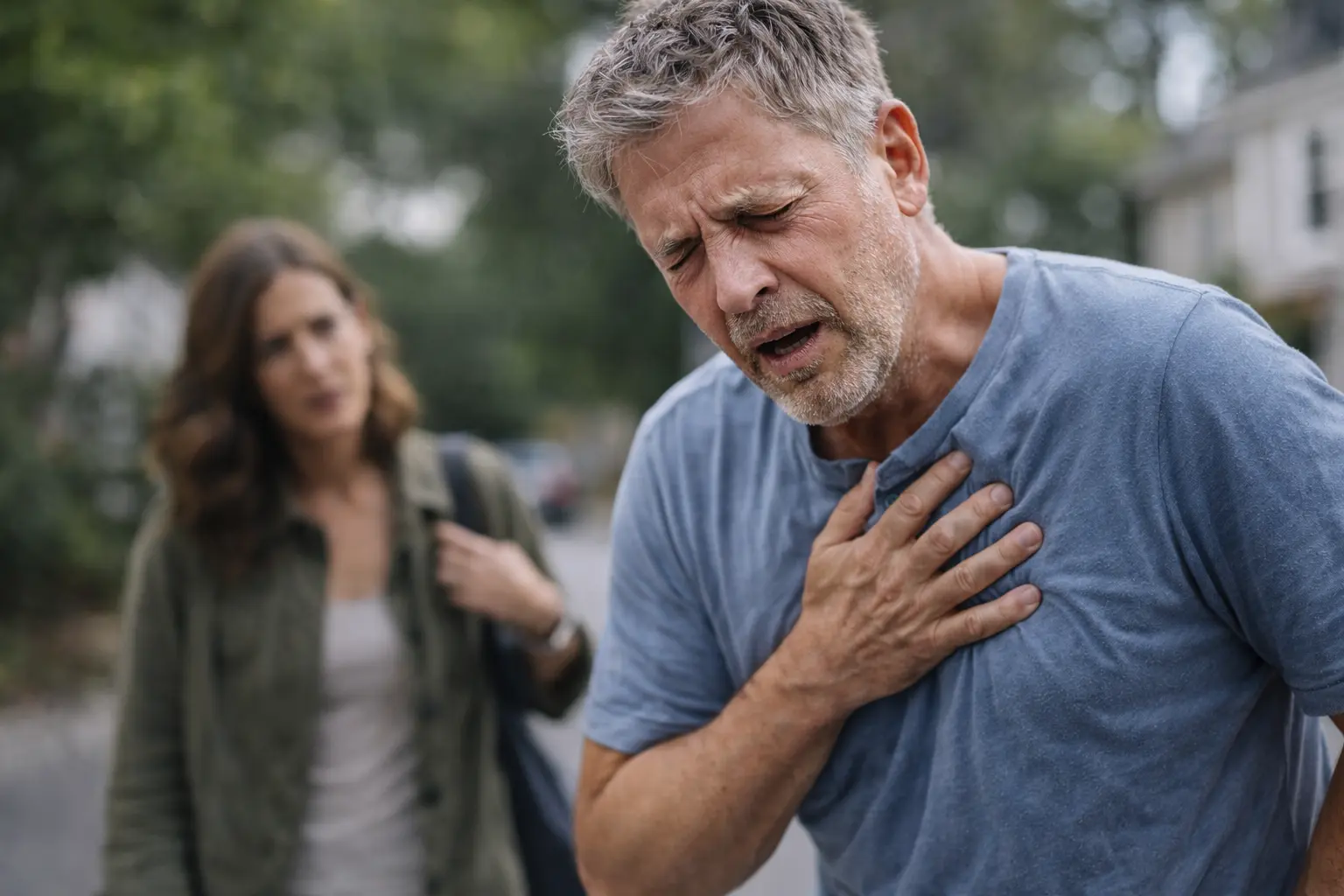
You feel that weird pressure in your chest, or maybe you’re just exhausted for no reason, and something in your gut is screaming that something is wrong—these are the heart attack warning signs women need to recognize right now, because waiting could cost you everything.
Chest discomfort
Chest discomfort is the most common heart attack symptom, but here’s what women often miss: it doesn’t always feel like the Hollywood version of a heart attack. You might experience pressure, squeezing, heaviness, or a sensation of fullness in the center of your chest that comes and goes unpredictably. Some women describe it as someone sitting on their chest or a tight band wrapped around it. The discomfort can last for a few minutes, disappear completely, and then return hours later. This unpredictability is exactly why many women delay seeking help, thinking it will pass on its own. Pay attention if the sensation spreads to your arms, back, neck, jaw, or stomach. Often these symptoms arrive as a package deal: the chest pressure combined with shortness of breath, cold sweats, nausea, or dizziness. Don’t rationalize it away as indigestion or stress. Trust your instincts and seek medical evaluation immediately.
- Tightness or discomfort in the center of the chest.
- Pain that spreads to the arms, back, neck, jaw, or stomach.
- Shortness of breath, sweating, nausea, or lightheadedness may accompany the chest pain.
Shortness of breath
Shortness of breath is a red flag that women frequently overlook or attribute to other causes like anxiety or being out of shape. You might notice you’re struggling to catch your breath during normal activities, like climbing stairs or walking to your car, when you normally wouldn’t. Some women experience sudden breathlessness even while sitting at rest, without any physical exertion. This sensation can feel like your lungs aren’t filling properly or like you’re trying to breathe through a straw. The key difference with heart-related shortness of breath is that it comes on suddenly and doesn’t improve with rest or changing positions. You might find yourself taking deeper breaths than usual or feeling panicked because you can’t seem to get enough air. This symptom can occur with or without chest pain, which makes it even more dangerous because women might not connect it to their heart. If you’re experiencing unexplained breathlessness that’s different from your normal patterns, don’t wait to call your doctor or go to the emergency room.
📘 Fix your day in under 2 minuteschoose where to begin:
Fatigue
Unexplained fatigue is one of the most insidious heart attack warning signs because it masquerades as everyday tiredness. You wake up after eight hours of sleep feeling like you haven’t rested at all, or you hit an energy wall mid-afternoon that no amount of coffee can fix. This isn’t the normal fatigue from a busy week or poor sleep—it’s an overwhelming exhaustion that persists for days or weeks without an obvious cause. Women often dismiss this symptom, attributing it to hormonal changes, stress at work, or simply getting older. But extreme fatigue that’s new or unusual for you deserves attention. Imagine feeling so drained that even light activities like grocery shopping or playing with your kids leave you completely wiped out. Some women describe it as feeling like they’re moving through water or that their body is weighted down. This fatigue can be accompanied by a general sense of weakness or heaviness. If you notice this pattern emerging, especially if it’s paired with any other symptoms on this list, schedule a medical appointment promptly.
Upper body discomfort
Pain or discomfort in your upper body areas like your arms, back, neck, jaw, or upper stomach can signal a heart attack, and it might be the only warning sign you experience. Some women feel a dull ache in their left arm or both arms, while others experience sharp pain between their shoulder blades. Jaw pain might feel like a dental problem, making you consider calling your dentist instead of your doctor. Back pain, especially in the upper back, can feel muscular and easy to dismiss as tension from sitting at your desk. The tricky part is that these symptoms often appear without any chest pain, so you might not connect them to your heart at all. A woman might go to her dentist for jaw pain, get a clean bill of health, and still not realize her heart is in distress. Pay special attention if this discomfort is new, persistent, or accompanied by other symptoms like sweating or nausea. Don’t assume it’s a muscular issue or a dental problem without getting it checked by a medical professional first.
Cold sweats
Sudden cold sweats that drench your clothes or make your skin feel clammy are a significant heart attack warning sign, especially when they appear without any obvious trigger. You might be sitting in a cool room and suddenly feel like you’ve just run a marathon, with perspiration beading on your forehead and soaking through your shirt. Your skin might feel cold and clammy to the touch, even though you feel hot. This is different from the warm sweats you get from exercise or a hot environment. Cold sweats related to a heart attack often come on suddenly and intensely, sometimes accompanied by a feeling of impending doom or anxiety. Women sometimes experience these sweats at night, waking up drenched and confused about why their body is reacting this way. When cold sweats appear alongside other symptoms like chest discomfort, shortness of breath, or fatigue, they become even more significant. Don’t brush this off as a hot flash or hormonal fluctuation without considering your heart health. If you’re experiencing unexplained cold sweats, especially repeatedly, contact your healthcare provider or seek emergency care.
Recognizing heart attack warning signs in women is essential for survival. Chest discomfort, shortness of breath, fatigue, upper body discomfort, and cold sweats are five critical signals your body sends when your heart is in danger. Women often experience these symptoms differently than men, making them easier to overlook or misinterpret. Taking immediate action when you notice any combination of these warning signs can literally save your life. Don’t wait, don’t rationalize, and don’t ignore what your body is telling you.
Should I seek medical help if I experience these warning signs?
Yes, absolutely. If you experience any of these heart attack warning signs, especially in combination, seek immediate medical attention by calling emergency services or going to the nearest emergency room. Do not drive yourself if possible. Do not delay or ignore these symptoms, even if you think they might pass.
Do women experience heart attack symptoms differently from men?
Yes, women often experience heart attack symptoms more subtly or differently than men. While men typically report chest pain, women are more likely to experience fatigue, shortness of breath, and upper body discomfort without prominent chest pain. Understanding these gender-specific differences is crucial for early detection and prompt treatment.
Others also read:
Disclaimer: This article is for informational purposes only and is not a substitute for professional medical advice. Always consult a healthcare professional for personal guidance.
This guide has been prepared and reviewed by the GlobalHealthBeacon editorial team and reflects current medical research as of 2026. It provides structured, evidence-based information to support informed health decisions.
