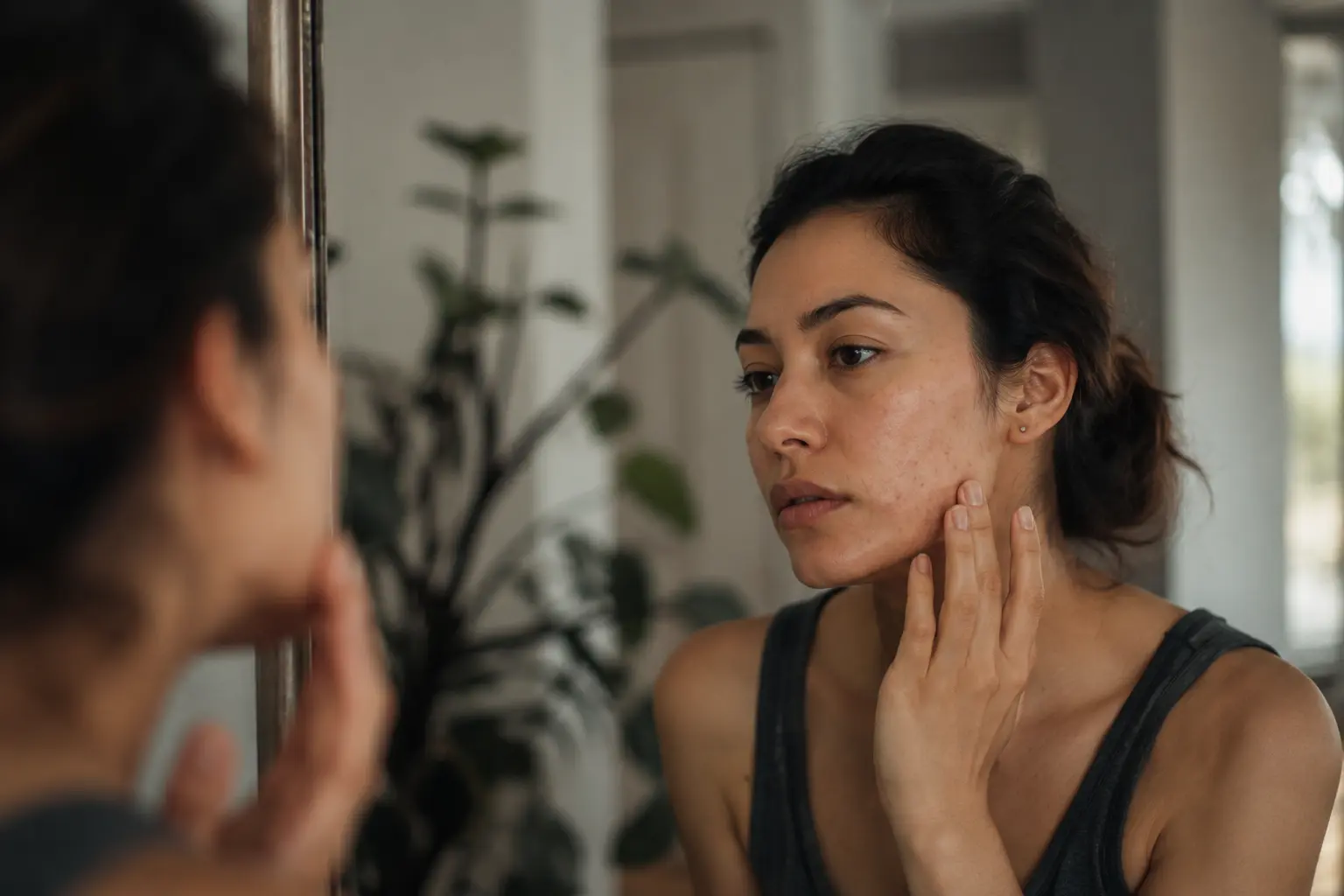
You wake up with a fresh breakout right before an important meeting, or you catch your reflection and notice your skin looks dull and tight – welcome to hormonal skin changes, the frustrating reality that affects countless women throughout their lives.
Understanding hormonal imbalance and skin health
Hormones act as chemical messengers throughout your body, orchestrating everything from mood to metabolism, and your skin is one of their most visible targets. During key life transitions like puberty, your menstrual cycle, pregnancy, and menopause, hormone levels shift dramatically, and your skin often becomes the first place you notice the effects. These fluctuations are primarily driven by androgen hormones, especially testosterone, which ramps up sebum production and can trigger inflammation. Consider a woman in her late twenties who notices her skin was clear for years, then suddenly develops persistent breakouts around her jawline every month. This pattern typically correlates with her menstrual cycle, when progesterone levels spike and sebaceous glands become more reactive. Understanding this connection helps you recognize that hormonal skin changes aren’t random or permanent – they’re predictable biological responses to hormonal shifts your body experiences naturally.
Impact of hormones on sebum production
Your sebaceous glands are essentially hormone sensors, constantly responding to androgen signals in your bloodstream. When androgen levels rise, these glands shift into overdrive, producing excess sebum that coats your skin. While sebum serves an important purpose – protecting and moisturizing your skin – too much creates the perfect storm for acne. The excess oil mixes with dead skin cells that naturally shed from your pores, and bacteria colonize this blocked environment, triggering inflammation and the formation of various acne types. A woman might experience this as blackheads on her nose and chin, whiteheads along her jawline, or deeper cystic acne that feels tender and inflamed. The frustrating part is that this isn’t a hygiene issue or a reflection of how well you cleanse your face. It’s a direct biochemical response to hormonal activity. Understanding this mechanism helps you avoid the common mistake of over-washing or using harsh treatments that strip your skin, which often backfires by triggering even more sebum production as your skin tries to compensate.
The role of hormones in skin dryness
While androgens push your skin toward oiliness, estrogen works in the opposite direction, acting as a hydration guardian for your complexion. Estrogen stimulates collagen production, strengthens your skin’s natural moisture barrier, and helps your skin retain water at a cellular level. This is why many women notice their skin glows during the high-estrogen phase of their cycle. Conversely, when estrogen levels drop – whether during the luteal phase of menstruation or more dramatically during perimenopause and menopause – your skin loses its ability to hold onto moisture. The result feels like your skin has aged overnight: it becomes thin, loses elasticity, develops fine lines more easily, and feels perpetually tight no matter how much moisturizer you apply. A 52-year-old woman might describe this as her skin feeling like tissue paper, becoming sensitive to products that never bothered her before, and developing a dull, tired appearance even after a full night of sleep. This dryness isn’t superficial – it reflects deeper changes in your skin’s structure and function. The good news is that recognizing this hormonal cause helps you adjust your skincare approach rather than assuming your skin has permanently changed.
- Stay hydrated by drinking plenty of water throughout the day, aiming for at least eight glasses, as proper hydration supports your skin’s moisture retention from the inside out.
- Use a gentle moisturizer formulated for your specific skin type, applying it to damp skin to lock in hydration and repair your skin’s natural moisture barrier.
- Avoid harsh products and over-washing that can strip your skin of its natural oils, which weakens your protective barrier and triggers compensatory dryness.
🔬 Science-backed benefits in 2 minuteschoose where to begin:
Managing hormonal skin changes
Managing hormonal skin changes requires a two-pronged approach: establishing a consistent skincare routine tailored to your current hormonal phase, and addressing the underlying hormonal imbalances when necessary. Your routine should include gentle cleansing to remove excess oil and impurities without stripping your skin, targeted treatments for active breakouts or dryness, and daily sun protection since hormonal changes can increase skin sensitivity to UV damage. Many women find that tracking their skin alongside their menstrual cycle reveals patterns – breakouts tend to peak during specific phases, and dryness might worsen at predictable times. This awareness lets you adjust your routine proactively rather than reactively. For example, you might use a lighter moisturizer during high-sebum phases and switch to richer formulations when dryness peaks. In some cases, hormonal therapy or prescription medications like oral contraceptives or spironolactone may be recommended by a healthcare provider to help regulate hormone levels and improve skin health. These options work by either stabilizing hormone fluctuations or blocking androgen effects on sebaceous glands, offering relief when skincare alone isn’t enough.
Lifestyle factors and hormonal skin health
Your skin doesn’t exist in isolation – it reflects your overall hormonal health, which is deeply influenced by how you live. Diet plays a surprisingly powerful role: foods high in refined sugars and dairy can spike insulin and androgen levels, potentially worsening acne, while antioxidant-rich foods like berries, leafy greens, and fatty fish support skin healing and reduce inflammation. Stress is another major player. When you’re stressed, your body releases cortisol, which triggers sebaceous glands to produce more oil and increases inflammation throughout your body, including your skin. A woman juggling work deadlines and family responsibilities might notice her breakouts flare during stressful periods, then clear up during vacations. Sleep quality matters too – during deep sleep, your body repairs skin cells and balances hormones. Chronic sleep deprivation disrupts this process, leading to worse breakouts and accelerated skin aging. Managing stress through yoga, meditation, or even daily walks, prioritizing seven to nine hours of quality sleep, and eating a balanced diet rich in whole foods creates the internal environment where hormones stay more stable and your skin can thrive.
The importance of consultation with a dermatologist
While self-care and lifestyle adjustments help many women manage hormonal skin changes, persistent or worsening skin issues warrant professional evaluation. A dermatologist can distinguish between hormonal acne and other skin conditions, identify whether your breakouts or dryness truly stem from hormonal imbalances, and rule out other underlying causes like fungal infections or skin disorders. They can perform diagnostic tests if needed, review your medical history and medications, and offer treatments specifically designed for hormonal skin concerns. These might include prescription-strength topical retinoids that accelerate cell turnover, oral medications that regulate hormones, or professional treatments like chemical peels or laser therapy. A dermatologist also helps you avoid the common mistake of self-treating with overly aggressive products that damage your skin barrier and worsen the underlying problem. They provide personalized recommendations based on your skin type, age, and specific hormonal patterns, ensuring you’re not just treating symptoms but addressing root causes. If you suspect your skin issues connect to broader hormonal imbalances, your dermatologist can also coordinate care with your gynecologist or primary care doctor to ensure comprehensive treatment.
Hormonal skin changes are a natural response to the fluctuations women experience throughout their lives, driven primarily by shifts in androgen and estrogen levels. Androgens trigger excess sebum production that leads to acne, while declining estrogen causes dryness and loss of skin elasticity. Managing these changes effectively requires understanding your personal hormonal patterns, maintaining a consistent skincare routine adapted to your current needs, supporting hormonal balance through diet and stress management, and seeking professional guidance when self-care isn’t enough. By recognizing hormonal skin changes as a biological reality rather than a personal failure, you can approach your skin with compassion and evidence-based strategies that actually work.
Do hormonal changes during menopause affect skin health?
Yes, menopause brings significant hormonal shifts that profoundly affect skin. As estrogen levels decline, your skin loses its ability to retain moisture, produce collagen efficiently, and maintain its protective barrier. This typically results in increased dryness, thinning skin, more pronounced fine lines, and heightened sensitivity to products and environmental factors. Many women also experience acne during menopause due to the relative increase in androgen activity compared to declining estrogen. Adapting your skincare routine to include richer moisturizers, gentle cleansing, and potentially professional treatments can help manage these changes effectively.
Can stress impact hormonal imbalances and skin conditions?
Absolutely. Stress triggers your body to release cortisol and other hormones that directly affect your skin. Elevated cortisol increases sebum production, amplifies inflammation, and can worsen both acne and skin sensitivity. Chronic stress also disrupts your sleep quality and can trigger hormonal imbalances that extend beyond skin health. Managing stress through relaxation techniques like meditation, yoga, regular exercise, or simply spending time in nature helps stabilize your hormonal environment and reduces skin flare-ups. Many women notice clear improvement in their skin when they prioritize stress management alongside skincare.
Others also read:
Disclaimer: This article is for informational purposes only and is not a substitute for professional medical advice. Always consult a healthcare professional for personal guidance.
This article has been prepared and reviewed by the GlobalHealthBeacon editorial team and is based on current medical research and published scientific literature available in 2026. It provides structured, evidence-based information to support informed health decisions.

