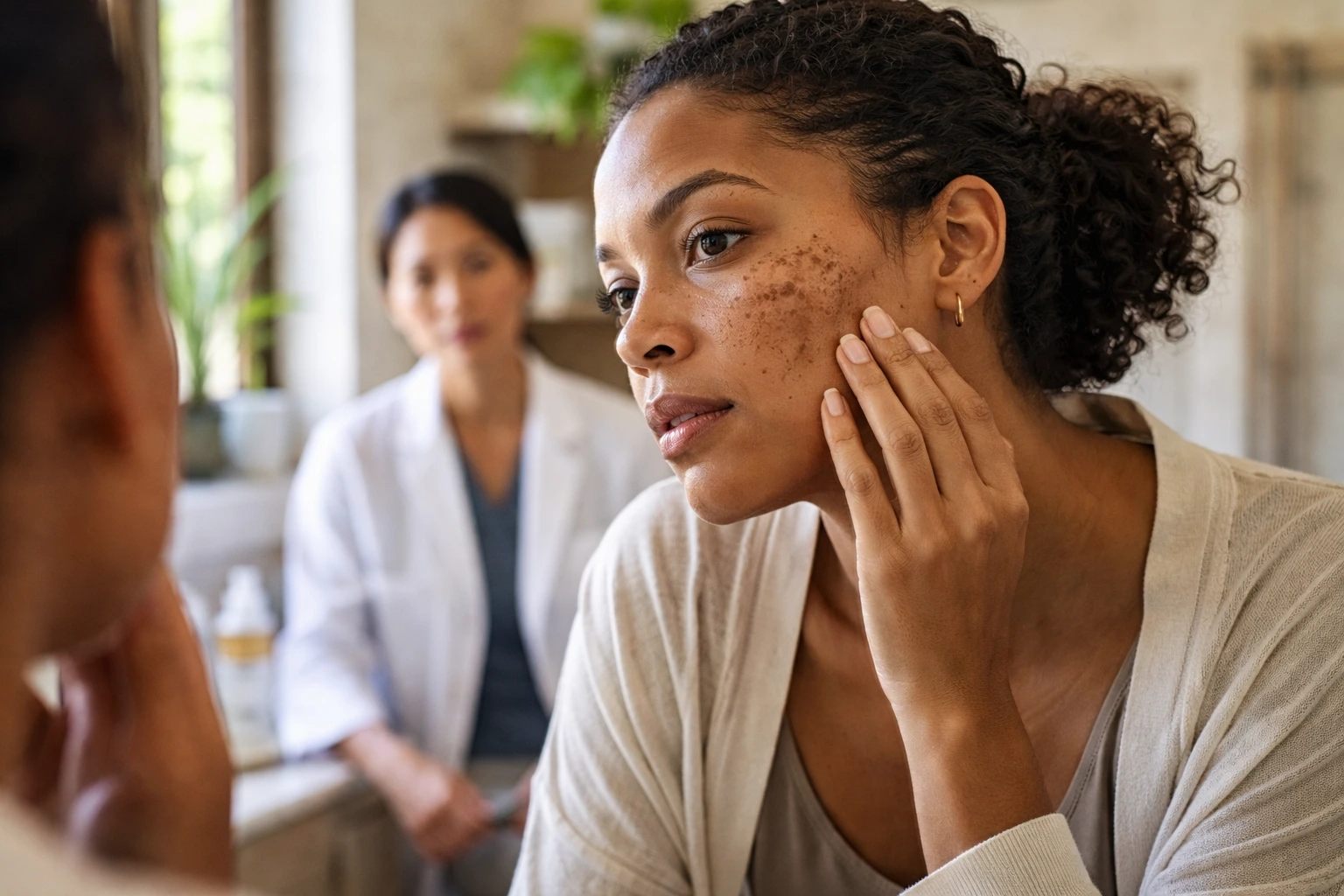
Those stubborn brown patches creeping across your face and hands feel like they appeared overnight, and now you’re staring in the mirror wondering if there’s actually anything that can help – but here’s the truth: hyperpigmentation treatment options have come a long way, and real seniors are seeing real results.
Exploring topical treatments
Picture this: Margaret, a 68-year-old retired teacher, started noticing dark spots on her cheeks about five years ago. She felt self-conscious in photos and avoided looking at her reflection too closely. After talking with her dermatologist, she began using a retinoid cream three times a week, gradually building up tolerance. Within six months, the spots had visibly lightened. Many seniors like Margaret have found success with topical treatments like retinoids, vitamin C serums, and hydroquinone creams. These work by encouraging your skin to naturally shed pigmented cells and stimulate fresh growth underneath. The key is consistency and patience – these aren’t overnight fixes, but they’re accessible, affordable, and you can use them right at home. Some people combine a retinoid with a brightening serum in the morning for enhanced results. The learning curve exists, though – starting too strong too fast causes irritation, so most dermatologists recommend beginning with lower concentrations.
- Retinoids stimulate cell turnover to fade dark spots gradually.
- Vitamin C serums provide antioxidant protection and brighten the complexion.
- Hydroquinone creams inhibit melanin production, reducing hyperpigmentation.
Trying laser therapy
Then there’s Robert, who wanted faster results. At 72, he decided to explore laser therapy after topical treatments showed only modest improvement over a year. His dermatologist explained that different laser types target pigment in different ways – some break up melanin clusters while others trigger collagen remodeling underneath. Robert underwent three sessions spaced four weeks apart and saw dramatic fading within weeks. For seniors seeking quicker transformation, laser therapy has become increasingly popular and refined. The procedure feels like tiny rubber band snaps against the skin, and most people tolerate it well. Recovery is minimal, though you’ll need to avoid sun exposure afterward. The investment is higher than creams, typically ranging from several hundred to thousands of dollars depending on spot size and laser type, but results often appear within days to weeks rather than months. Some seniors combine laser with maintenance topical treatments to extend results.
💬 Ready to feel better in 2 minutes?choose where to begin:
Explaining chemical peels
Chemical peels work through a different mechanism entirely. Diana, 70, chose this route because she had multiple spots across her chest and shoulders – an area too large for laser precision. A chemical solution was applied to her skin, causing controlled peeling over five to seven days. The process felt uncomfortable but not painful, and watching the old pigmented skin literally peel away felt oddly satisfying. Chemical peels range from superficial to deep, with superficial peels requiring minimal downtime and repeated sessions, while deeper peels offer more dramatic results but need longer recovery. Most seniors opt for medium-depth peels that balance effectiveness with reasonable healing time. You’ll experience redness, flaking, and sensitivity during recovery, so planning around social commitments matters. The results can be stunning, with fresh, less pigmented skin revealed underneath, though sun protection becomes absolutely critical during healing.
Considering microdermabrasion
Microdermabrasion appeals to seniors who want a gentler approach without chemicals or heat. James, 75, appreciated that this non-invasive procedure simply uses tiny crystals or a diamond-tipped wand to physically exfoliate the skin’s surface. He needed multiple sessions spaced two to four weeks apart, but enjoyed the minimal discomfort and no real downtime. Each treatment took about 30 minutes, and he could return to normal activities immediately. The procedure gradually reduces hyperpigmentation by removing dead skin cells and encouraging cellular renewal. Results are subtler than lasers or peels, making it ideal for seniors with sensitive skin or those hesitant about more aggressive treatments. You’ll need consistent sessions, typically six to twelve, to see meaningful improvement. Some people combine microdermabrasion with topical treatments for enhanced results. The cumulative cost can add up, but many find the gentle, predictable approach worth it.
From topical treatments to laser therapy, seniors have a range of effective options for addressing dark spots caused by hyperpigmentation. Whether opting for creams, lasers, peels, or microdermabrasion, these treatments can help rejuvenate the skin and restore a more even complexion.
Are dark spot treatments safe for seniors?
Most dark spot treatments are safe for seniors, but it’s essential to consult with a dermatologist before starting any new regimen to ensure they are suitable for your skin type and any existing conditions.
How long does it take to see results from dark spot treatments?
The timeframe for seeing results from dark spot treatments can vary depending on the method used and the individual’s skin type. It’s important to follow the recommended treatment plan consistently for optimal outcomes.
Others also read:
Disclaimer: This article is for informational purposes only and is not a substitute for professional medical advice. Always consult a healthcare professional for personal guidance.
This article presents an experience-based perspective and has been reviewed by the GlobalHealthBeacon editorial team in 2026. It provides structured, evidence-based information to support informed health decisions.
