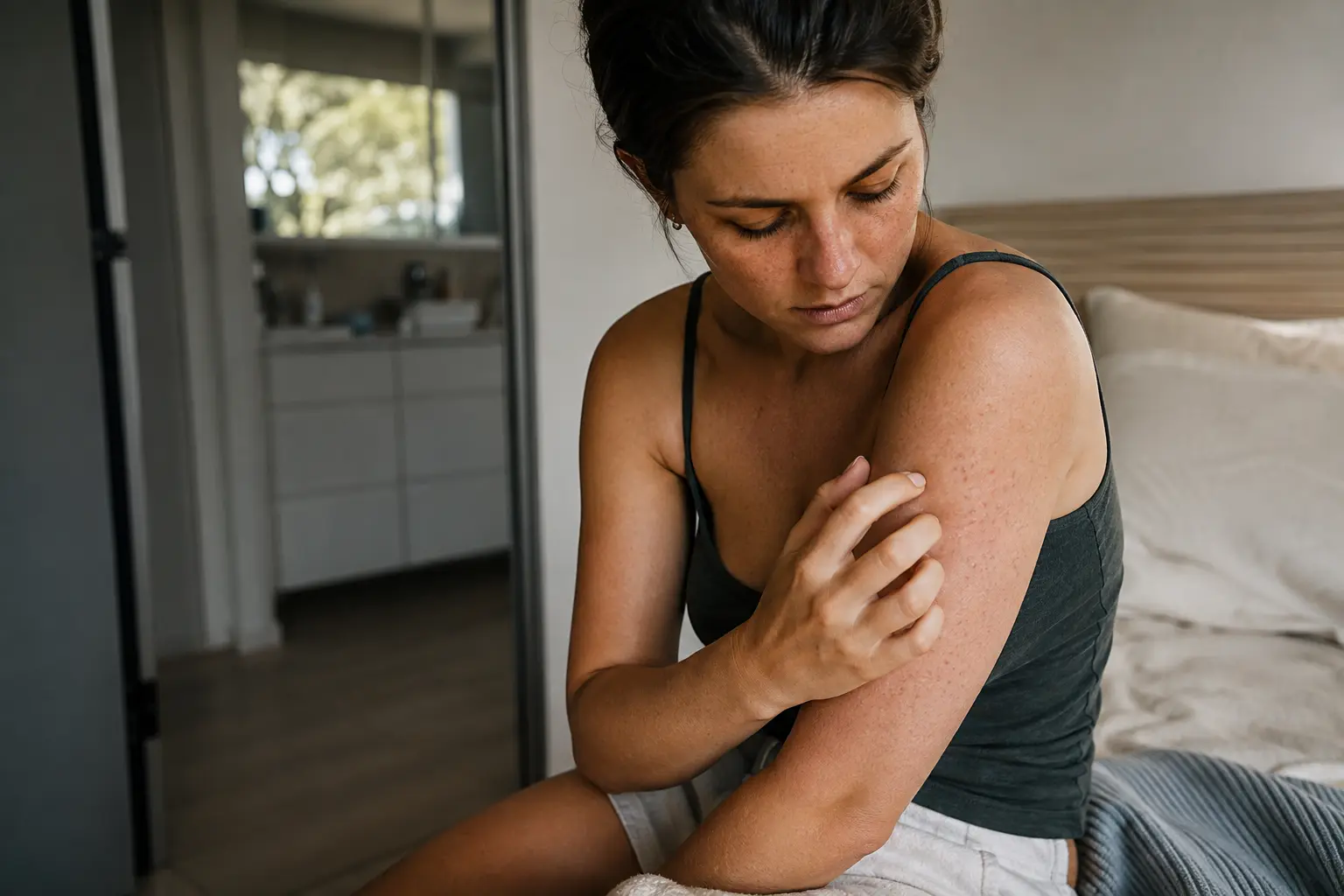
Those tiny, stubborn bumps covering your arms and thighs that won’t budge no matter what you try are enough to make you want to hide in long sleeves year-round, but finding the right keratosis pilaris routine changed everything for me.
Understanding keratosis pilaris
When I first noticed those rough patches on my upper arms during college, I had no idea what I was dealing with. Keratosis pilaris, often called chicken skin, happens when your skin produces too much keratin that clogs hair follicles instead of shedding normally. It’s harmless but incredibly frustrating. The bumps typically show up on arms, thighs, cheeks, or buttocks and feel rough like sandpaper. What makes it worse is that it’s more common in people with dry skin or certain genetic predispositions. I spent months thinking it was poor hygiene or something I did wrong, when really my skin was just being stubborn. Understanding that this wasn’t my fault and that millions of people deal with it was honestly the first step toward managing it properly.
- Gentle exfoliation can help to remove dead skin cells and prevent clogged pores.
- Moisturizing regularly can soften the skin and reduce the appearance of bumps.
- Avoid harsh soaps and hot showers, as they can worsen the condition.
My keratosis pilaris routine
My breakthrough came when I stopped treating this like a quick fix and started building an actual routine. Every morning, I’d use a soft washcloth with lukewarm water instead of scrubbing aggressively like I used to. Then came the game changer: a gentle exfoliating scrub with salicylic acid, but only three times a week at first because I learned that overdoing it made things worse. Right after exfoliating, I’d apply a thick, creamy moisturizer while my skin was still slightly damp to lock in hydration. About two months in, I added a retinol cream at night, starting with the lowest strength because jumping into strong treatments backfired. The combination of consistent exfoliation, heavy moisturizing, and retinol gradually smoothed out the texture. It wasn’t instant, but by month four, people actually asked what I was doing differently.
💬 Ready to feel better in 2 minutes?choose where to begin:
Managing symptoms
Beyond the topical stuff, I realized my lifestyle was making a huge difference. I started drinking way more water, like actually tracking it, and noticed my skin looked plumper and less irritated. Eating more foods with omega-3s and vitamin A seemed to help from the inside out. What surprised me most was how stress directly triggered flare-ups. During exam weeks, my keratosis pilaris would get noticeably worse, so I started doing yoga and meditation, even just ten minutes daily. Regular exercise improved my circulation and skin health overall. I also switched to fragrance-free laundry detergent because I realized scented products were irritating my skin. These lifestyle tweaks weren’t glamorous, but they made managing symptoms so much easier and prevented the constant cycle of flare-ups.
Embracing self-care
Here’s what nobody talks about: the mental side of living with keratosis pilaris. I spent so much energy feeling self-conscious about my skin that it actually made things worse. Once I started practicing self-compassion and stopped obsessing over every bump, my stress levels dropped and my skin genuinely improved. I began treating my skincare routine as a ritual I enjoyed rather than a chore I had to do. Taking warm baths with gentle oils, doing face masks, and actually enjoying the process instead of rushing through it made everything feel less like managing a problem and more like taking care of myself. Meditation helped me accept that this is just part of my skin, not a flaw in me. The shift from shame to self-love changed how I experienced the whole condition.
By understanding keratosis pilaris and implementing a comprehensive routine that includes gentle exfoliation, moisturizing, and lifestyle changes, I was able to effectively manage the symptoms of this skin condition. Additionally, adopting self-care practices and embracing a positive mindset played a significant role in improving my overall well-being.
Can keratosis pilaris be cured?
While there is no known cure for keratosis pilaris, various treatments and routines can help manage its symptoms effectively. It is essential to consult a dermatologist for personalized advice and treatment options.
Are there any specific triggers for keratosis pilaris flare-ups?
Certain factors such as changes in weather, hormonal fluctuations, and dry skin can trigger flare-ups of keratosis pilaris. Identifying and avoiding these triggers can help minimize the severity of symptoms.
Others also read:
Disclaimer: This article is for informational purposes only and is not a substitute for professional medical advice. Always consult a healthcare professional for personal guidance.
This article presents an experience-based perspective and has been reviewed by the GlobalHealthBeacon editorial team in 2026. It provides structured, evidence-based information to support informed health decisions.
