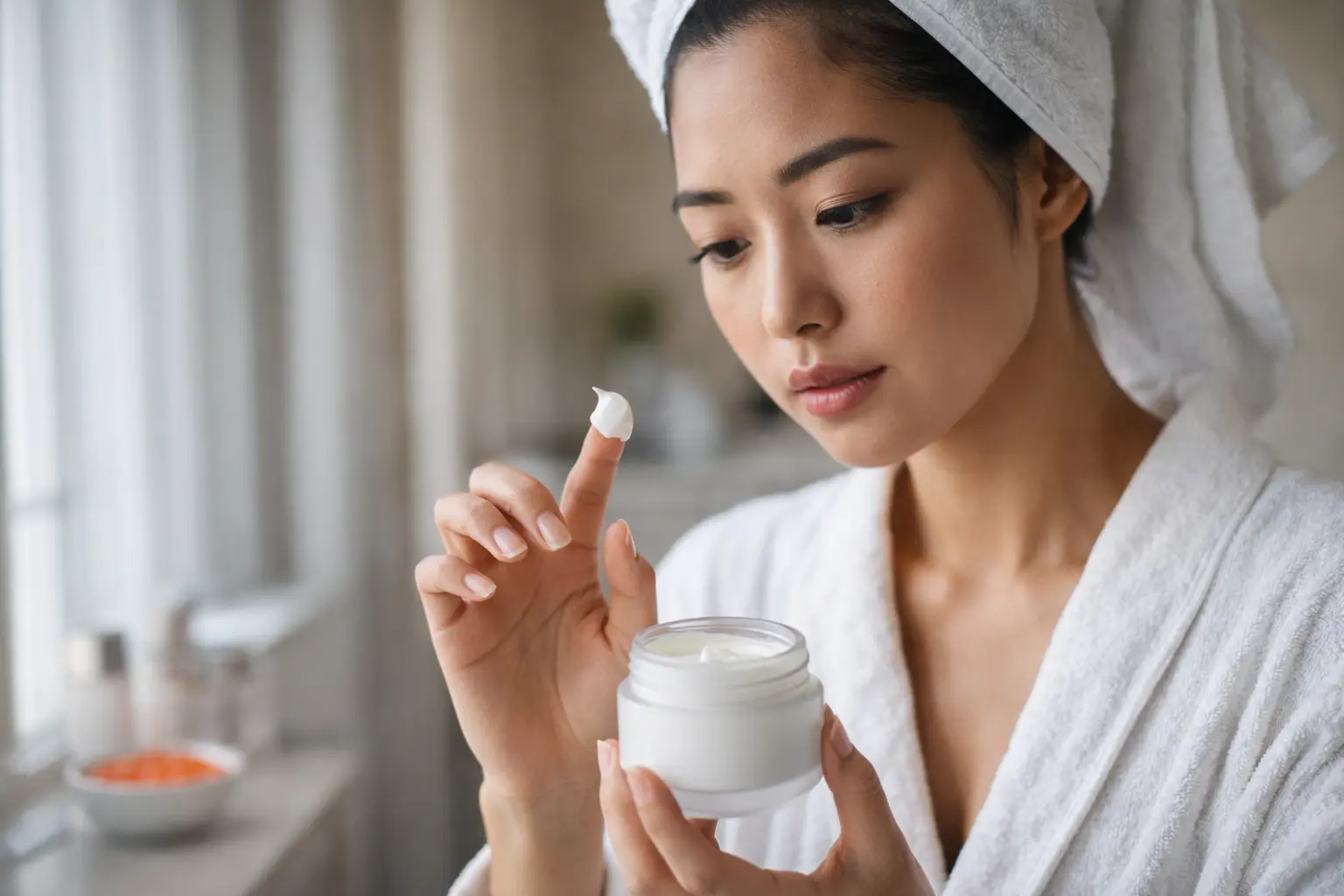
Your skin feels tight after cleansing, breakouts keep showing up in the same spots, and nothing you have tried seems to actually work, so korean skincare explained might be the reset your routine desperately needs.
Korean skincare routine demystified
The 10-step Korean skincare routine sounds intimidating at first, but here is the reality: you do not need to do all 10 steps from day one. Start with the foundation and build gradually. Begin with double cleansing, which means using an oil-based cleanser first to dissolve makeup and sunscreen, followed by a water-based cleanser to remove any remaining residue. This two-part approach prevents the buildup that causes congestion and dullness. Next, add a gentle exfoliant two to three times weekly. Many young adults skip this step, thinking it will irritate their skin, but a chemical exfoliant like BHA or AHA actually prevents irritation by keeping pores clear. Then layer in essences, which are lightweight hydrating products that prep your skin for serums. Think of essences as the bridge between cleansing and treatment. Sheet masks become your weekly ritual for an extra hydration boost, especially after a stressful week or before an important event. The key is consistency over complexity. Pick three to four products you genuinely enjoy using, stick with them for at least four weeks, and then evaluate results before adding anything else.
- Introduce your skin to the famous 10-step K-beauty routine gradually, starting with cleanse, exfoliate, essence, and moisturize
- Incorporate essences and sheet masks for added hydration and nourishment, using sheet masks once or twice weekly for visible plumping
- Experiment with serums and ampoules to target specific skin concerns like hyperpigmentation or texture, but introduce one product at a time
Finding the right products
Korean skincare ingredients like ginseng, snail mucin, and centella asiatica have become popular for good reason. Ginseng boosts circulation and brightens tired skin, making it ideal if you struggle with dullness from late nights. Snail mucin provides intense hydration without feeling heavy, perfect for combination skin that needs moisture without greasiness. Centella asiatica calms irritation and strengthens your skin barrier, which is crucial if you have sensitive or reactive skin. Before buying anything, identify your actual skin type and primary concern. Are you oily in the T-zone but dry on your cheeks? Do you have persistent acne, hyperpigmentation, or just general dullness? Write this down. Then choose a cleanser that matches your skin type, not a generic one. A foaming cleanser works for oily skin, while a creamy cleanser suits dry skin. Next, select a toner that addresses your concern. If you have acne, look for niacinamide or salicylic acid. If you have sensitivity, choose alcohol-free, hydrating formulas. Finally, pick a moisturizer that feels right on your skin. Korean moisturizers range from lightweight gels to rich creams, so sample sizes help before committing to a full bottle.
📘 Fix your day in under 2 minuteschoose where to begin:
Sun protection is key
Sunscreen is not optional in Korean skincare, and once you understand why, you will never skip it again. UV damage causes premature aging, dark spots, and can worsen existing acne and sensitivity. Young adults often think they do not need sunscreen unless they are at the beach, but daily UV exposure happens during your commute, sitting near windows, and even on cloudy days. Korean sunscreens are specifically formulated to be lightweight and non-greasy, which is why they became a global standard. Look for SPF 30 minimum, though SPF 50 is more common in K-beauty products. Mineral sunscreens with zinc oxide or titanium dioxide provide physical protection and work well for sensitive skin, while chemical sunscreens absorb into the skin and feel more natural. Apply sunscreen as the last step of your morning routine, about 15 minutes before sun exposure. Use about one quarter teaspoon for your face, which is more than most people apply. Reapply every two hours if you are outdoors, or use a sunscreen powder or spray for touch-ups over makeup. This single habit will prevent more skin damage than any expensive treatment can repair.
Nighttime skincare ritual
Your nighttime routine is when your skin actually repairs itself, so this is where you invest in heavier, more active products. After cleansing and applying your essence and serums, layer a night cream that feels richer than your daytime moisturizer. Night creams often contain peptides, retinol, or nourishing oils that work while you sleep without causing the greasiness you would feel during the day. Sleeping masks are the Korean innovation that changed nighttime skincare. These are leave-on masks that seal in all your previous products and provide deep hydration overnight. Apply a sleeping mask as your final step, and you will wake up with plumper, more hydrated skin. Many young adults report that switching to a proper nighttime routine eliminates their morning puffiness and improves their overall skin texture within two weeks. If you have acne-prone skin, choose a lightweight sleeping mask with soothing ingredients like centella or green tea rather than heavy oils. The nighttime is also when you can introduce active ingredients like retinol or vitamin C serums, since these can increase sun sensitivity and are best used when you are not exposed to sunlight. Consistency matters most here, so pick products you will actually use every single night.
Consistency is key
Here is what separates people who see results from Korean skincare and those who do not: patience and consistency. Your skin cell cycle takes about 28 days, which means you need at least four weeks of consistent use before you can fairly evaluate whether a product works. Many young adults give up after one week because they expect instant results, but skincare is not like that. Instead, commit to a routine for a full month. Use the same products every morning and night, take photos weekly to track subtle changes, and resist the urge to add new products mid-trial. After four weeks, assess your skin. Are your breakouts fewer? Is your texture smoother? Is your skin more hydrated? If yes, keep going. If no, swap one product at a time and test again for another month. This methodical approach prevents the common mistake of changing everything at once, which makes it impossible to know what actually works. Also, understand that your skin will have good days and bad days. Hormones, stress, sleep, and diet all affect your skin, so do not panic if you have one bad breakout. Stick with your routine. The goal is long-term improvement, not perfection. Young adults who treat skincare like a non-negotiable habit, similar to brushing their teeth, see the most dramatic transformations within three to six months.
Korean skincare for young adults is not about following a complicated 10-step routine from day one. It is about understanding your skin, choosing products with intention, and committing to consistency. Start with double cleansing and a basic moisturizer, then gradually add targeted treatments like essences, serums, and masks based on your specific concerns. Prioritize sun protection daily and invest in a proper nighttime routine where your skin actually repairs itself. The honest truth is that results take time, but when you stick with a routine tailored to your skin, you will see visible improvements in texture, clarity, and overall radiance within weeks.
How long does it take to see results from a Korean skincare routine?
Results vary depending on individual skin types and concerns, but most people notice visible improvements within four to six weeks of consistent daily use. Some benefits like hydration and glow appear faster, while others like reduced breakouts or faded spots take longer. The key is using the same products for at least a full month before evaluating effectiveness.
Can Korean skincare be suitable for sensitive skin?
Yes, Korean skincare offers a wide range of products specifically formulated for sensitive skin. Look for gentle, fragrance-free options with calming ingredients like centella asiatica, green tea, or panthenol. Avoid products with alcohol, essential oils, or strong actives like retinol or high-concentration acids if your skin is reactive. Patch test new products on a small area first.
Others also read:
Disclaimer: This article is for informational purposes only and is not a substitute for professional medical advice. Always consult a healthcare professional for personal guidance.
This guide has been prepared and reviewed by the GlobalHealthBeacon editorial team and reflects current medical research as of 2026. It provides structured, evidence-based information to support informed health decisions.
