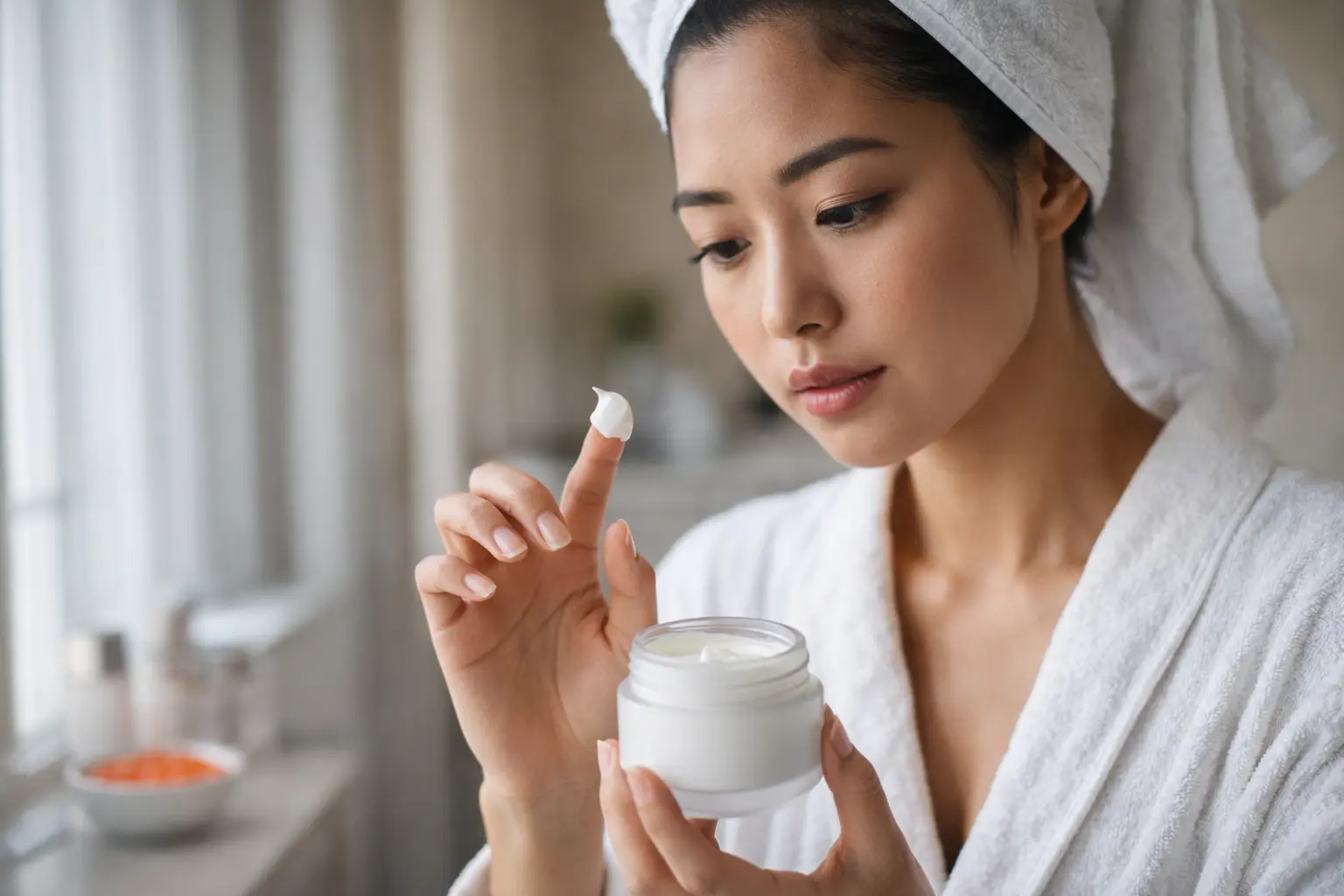
Your skin feels tight, dull, and honestly kind of defeated after decades of sun exposure and life happening to your face, but what if the answer wasn’t some expensive dermatologist procedure but rather a methodical, science-backed Korean skincare routine that actually works?
Understanding Korean skincare
Korean skincare represents a fundamentally different philosophy from Western beauty routines. Rather than quick fixes or aggressive treatments, it emphasizes patience and layering. The approach originated in South Korea where skincare is considered preventive medicine, not vanity. A typical Korean routine involves multiple steps, each serving a specific purpose in the skin barrier restoration process. Think of it like building a house: you don’t just paint the walls and call it done. You need a solid foundation, proper insulation, and protective coating. For seniors, this methodical approach becomes particularly valuable because aging skin has already experienced decades of environmental damage and barrier compromise. The routine typically begins with gentle cleansing to remove impurities without stripping natural oils, followed by toning to balance pH levels, then serums and essences to deliver active ingredients deeply into skin layers, and finally moisturizers and sunscreen to seal everything in. This multi-step process takes time but allows each product to work synergistically with the others, creating cumulative benefits over weeks and months rather than promising overnight transformation.
Key components in Korean skincare
The ingredient selection in Korean skincare products reflects decades of research into what actually works at the cellular level. Hyaluronic acid, for instance, functions as a humectant that can hold up to 1000 times its weight in water, making it invaluable for seniors whose skin naturally loses moisture retention capacity. Niacinamide, also called vitamin B3, strengthens the skin barrier while reducing inflammation and regulating sebum production, addressing multiple aging concerns simultaneously. Green tea extract provides antioxidant protection against free radical damage that accumulates over a lifetime of sun exposure. Peptides work by signaling skin cells to produce more collagen, addressing the loss of elasticity that becomes pronounced after age 50. Ceramides restore the lipid barrier that deteriorates with age, preventing water loss and irritant penetration. Fermented ingredients, popular in Korean products, contain beneficial compounds that penetrate more easily into deeper skin layers. A 72-year-old might use a serum containing peptides and hyaluronic acid in the morning, followed by a niacinamide-rich moisturizer, then sunscreen. By evening, she might add a retinol product to stimulate collagen production overnight. These ingredients work together as a coordinated system rather than isolated treatments, which explains why Korean skincare routines emphasize consistency and layering.
The science behind Korean skincare benefits
The skin barrier, technically called the stratum corneum, functions as your body’s primary defense against environmental stressors and moisture loss. As we age, this barrier naturally weakens due to reduced lipid production and decreased cell turnover. Korean skincare directly addresses this deterioration by using ingredients that reinforce barrier function. When the barrier is compromised, water escapes from deeper skin layers, leading to the dryness and sensitivity many seniors experience. Products containing ceramides and fatty acids literally fill the gaps between skin cells, reducing transepidermal water loss by up to 30 percent according to dermatological research. Hydrating toners prepare the skin to absorb subsequent treatments more effectively, a process called hydration priming. Serums deliver active ingredients in concentrated forms that penetrate beyond surface level. The cumulative effect is that skin becomes more resilient, less reactive to irritants, and better able to retain moisture naturally. A senior with sensitive, reactive skin might notice reduced redness and stinging within two weeks of starting a proper Korean routine, while improvements in fine lines and texture typically emerge over 8 to 12 weeks as collagen production increases. This timeline matters because it sets realistic expectations and prevents the frustration that comes from expecting overnight results.
- Start with a gentle cleanser suitable for your skin type, using lukewarm water and light circular motions to avoid disrupting the barrier further.
- Incorporate a hydrating toner to prepare your skin for serums and treatments, allowing it to absorb for 30 seconds before applying the next product.
- Use a serum containing active ingredients like vitamin C or retinol to address specific concerns, applying a pea-sized amount and allowing it to dry completely before layering moisturizer.
🔬 Science-backed benefits in 2 minuteschoose where to begin:
Choosing the right products for seniors
Aging skin presents specific challenges that require targeted ingredient selection. After age 50, skin produces approximately 1 percent less collagen annually, leading to visible loss of firmness and the deepening of expression lines. Simultaneously, sebaceous glands produce less natural oil, creating the paradoxical situation where skin feels both dry and sensitive. Peptides become increasingly valuable because they directly stimulate fibroblasts to produce new collagen, addressing the root cause of sagging rather than just masking it temporarily. Ceramides are non-negotiable because they restore the lipid barrier that has deteriorated over decades. Retinol and its derivatives accelerate cell turnover, helping shed dull surface cells and reveal fresher skin beneath, though seniors should introduce these gradually to avoid irritation. A 68-year-old with fine lines, age spots, and dryness might benefit from a routine featuring a peptide serum, a ceramide-rich moisturizer, and a gentle retinol product used twice weekly initially, then increasing frequency as tolerance builds. Avoiding harsh ingredients like strong acids or high-concentration vitamin C becomes important because aging skin’s barrier is already compromised. The goal is supporting the skin’s natural functions rather than forcing dramatic changes that could trigger sensitivity or damage.
Adapting Korean skincare to your routine
The beauty of Korean skincare philosophy is its flexibility. While the full 10-step routine exists, seniors don’t need to commit to that complexity to see results. A simplified version might include just four steps: gentle cleanser, hydrating toner, targeted serum, and moisturizer with sunscreen. Someone with sensitive skin might skip active ingredients initially and focus purely on barrier repair with hydrating and ceramide products. A senior concerned primarily with dark spots might prioritize vitamin C serums and niacinamide, which address hyperpigmentation. Another person struggling with fine lines would emphasize peptides and retinol. The key is identifying your primary skin concern and building a routine around addressing that while maintaining barrier health. Many seniors find that starting with just two or three products and adding gradually prevents overwhelm and allows them to assess how their skin responds to each addition. A 70-year-old might begin with a gentle cleanser and a simple moisturizer for two weeks, then add a hydrating toner, then introduce a serum after another two weeks. This measured approach prevents the common mistake of changing everything at once, which makes it impossible to identify which products actually work for your unique skin. Customization also means adjusting frequency based on seasons, as winter typically requires heavier moisturization while summer might allow lighter formulations.
Maintaining consistency for optimal results
Skincare results require patience that many people underestimate. The skin’s natural cell cycle takes approximately 28 days, meaning visible improvements in texture typically appear after four weeks of consistent use. Improvements in fine lines and firmness require collagen remodeling, a process that unfolds over 8 to 12 weeks or longer. This timeline explains why so many people abandon routines prematurely, assuming products don’t work when they simply haven’t used them long enough. A senior who commits to using quality products tailored to their specific skin type and concerns will notice gradual but meaningful improvements: reduced dryness within two weeks, improved texture within four weeks, visible reduction in fine lines within eight weeks, and improved firmness and radiance within three months. Consistency matters more than product cost or complexity. Using an affordable but appropriate routine every single day produces better results than using expensive products sporadically. Many seniors find that establishing a simple ritual helps maintain consistency: morning cleanse and moisturize while coffee brews, evening routine while watching television. Tracking progress with photos taken monthly under consistent lighting helps maintain motivation by making subtle improvements visible. The cumulative effect of daily skincare over months and years is genuinely transformative, but only for those who view it as a long-term commitment rather than a quick fix.
Korean skincare offers seniors a scientifically grounded approach to addressing age-related skin changes through barrier repair, targeted ingredients, and consistent layering. Understanding how hyaluronic acid, peptides, ceramides, and other compounds work at the cellular level empowers you to make informed choices about which products suit your specific concerns. The philosophy emphasizes patience, consistency, and customization rather than aggressive treatments or unrealistic promises. By adapting the routine to your unique needs and committing to regular use over weeks and months, you can support your skin’s natural functions and achieve the healthy, resilient appearance that comes from addressing root causes rather than masking symptoms.
Are Korean skincare products suitable for all skin types?
Yes, Korean skincare offers formulations for every skin type because the philosophy emphasizes customization. Sensitive skin benefits from barrier-repair focused products with ceramides and centella asiatica. Oily skin can use lightweight hydrating toners and gel serums. Combination skin can layer different products on different areas. The key is selecting appropriate ingredients and avoiding harsh actives if your barrier is compromised. Seniors with reactive skin should introduce new products slowly and patch test first.
Can Korean skincare help with age-related skin concerns?
Korean skincare directly addresses age-related concerns through scientifically supported ingredients. Peptides stimulate collagen production to improve firmness and reduce sagging. Retinol accelerates cell turnover to fade age spots and fine lines. Niacinamide reduces inflammation and supports barrier function. Hyaluronic acid restores moisture that aging skin loses naturally. Consistent use over 8 to 12 weeks produces visible improvements in texture, radiance, and fine lines. Results continue improving over months as collagen remodeling progresses.
Others also read:
Disclaimer: This article is for informational purposes only and is not a substitute for professional medical advice. Always consult a healthcare professional for personal guidance.
This article has been prepared and reviewed by the GlobalHealthBeacon editorial team and is based on current medical research and published scientific literature available in 2026. It provides structured, evidence-based information to support informed health decisions.
