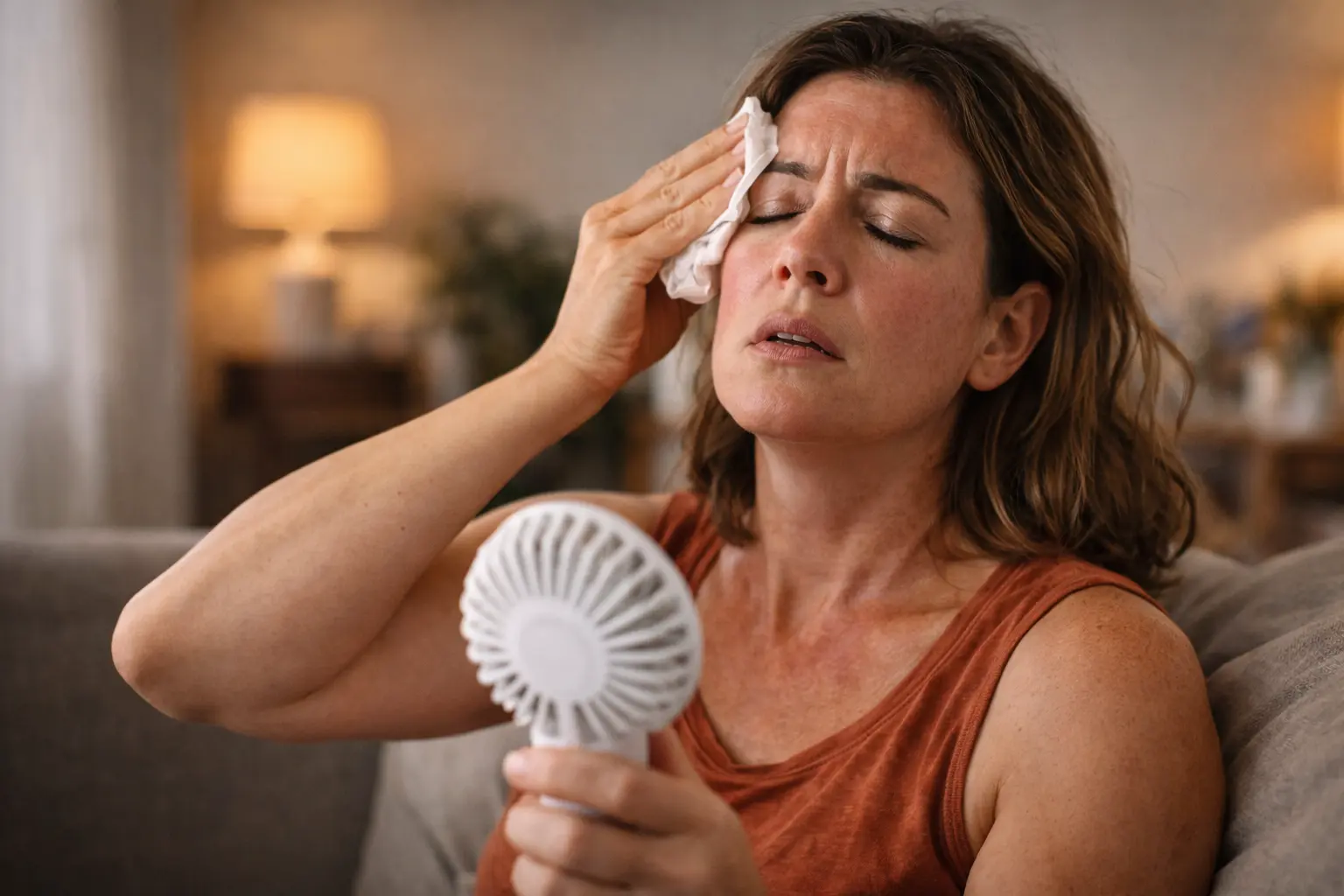
One minute you’re sitting peacefully, the next your body erupts in sweat and heat that leaves you drenched and exhausted, and menopause hot flashes have hijacked your entire day again.
Medical interventions for menopause hot flashes
When hot flashes start derailing your mornings, many women turn to their doctors for medical solutions. Hormone therapy, particularly estrogen replacement therapy, has helped countless seniors reclaim their comfort and confidence. Imagine waking up without that dread of sudden heat waves interrupting your breakfast or a quiet afternoon. Some women report a dramatic reduction in frequency within weeks of starting treatment. However, this path requires careful consideration. Your healthcare provider will review your personal health history, family background, and any existing conditions to determine if hormone therapy is right for you. The conversation often includes discussing potential risks like blood clots or changes in breast tissue, alongside the very real benefits of symptom relief. Selective serotonin reuptake inhibitors and other non-hormonal medications are also available options that work differently in your body. The key is having an honest dialogue with your doctor about what matters most to you during this transition.
- Hormone therapy can help alleviate hot flashes
- Discuss the potential risks and benefits with your doctor
- Estrogen replacement therapy is a common medical approach
Natural remedies to ease menopause hot flashes
Not every senior wants to pursue medication, and that choice deserves respect. Natural approaches have supported many women through menopause with encouraging results. Picture yourself staying cool by wearing breathable, layered clothing that you can adjust as your body temperature shifts throughout the day. Stress-reduction practices like deep breathing, tai chi, or simply spending quiet time in nature can noticeably decrease hot flash intensity for some women. Black cohosh, evening primrose oil, and soy-based foods have gained attention in wellness circles, with some users reporting meaningful relief. Staying hydrated, maintaining a healthy weight through gentle movement, and avoiding known triggers like spicy foods, caffeine, and alcohol can create a powerful combination. One woman in her late 50s found that switching her evening coffee to herbal tea and adding more plant-based proteins made a measurable difference within two weeks. These approaches work gradually, requiring patience, but many seniors appreciate the gentler path forward.
💬 Ready to feel better in 2 minutes?choose where to begin:
Supportive therapies for menopause symptoms
Beyond conventional medicine and supplements lies a world of complementary practices that have brought relief to many women navigating menopause. Acupuncture, an ancient practice rooted in traditional Chinese medicine, has shown promise in clinical observations for reducing hot flash severity and frequency. Yoga classes designed for midlife women combine gentle movement with breathing techniques that calm your nervous system and regulate body temperature. Meditation and mindfulness practices help some seniors develop a different relationship with hot flashes, reducing the anxiety that often amplifies physical symptoms. A 62-year-old woman discovered that weekly acupuncture sessions combined with a home yoga practice reduced her nighttime hot flashes by half within two months. These therapies work best when approached as part of a comprehensive wellness strategy rather than standalone solutions. Many women find that the supportive community aspect of group yoga or meditation classes provides emotional comfort alongside physical benefits, reminding them they are not alone in this experience.
Dietary adjustments for menopause management
What you eat directly influences how your body experiences menopause symptoms, and this simple truth empowers many seniors to take control. A balanced diet rich in colorful vegetables, whole grains, lean proteins, and healthy fats supports hormonal balance and can reduce hot flash intensity. Think about swapping your afternoon snack of processed foods for a handful of almonds or a piece of fruit, small changes that accumulate into meaningful relief. Foods high in phytoestrogens, like flaxseeds, chickpeas, and leafy greens, may help stabilize hormone fluctuations in your body. Conversely, identifying and avoiding your personal triggers matters tremendously. For some women, spicy foods ignite hot flashes within minutes, while for others it’s alcohol or caffeine that tips the scales. One 58-year-old woman kept a food diary for three weeks and discovered that her evening hot flashes disappeared when she eliminated wine and reduced her coffee intake. Staying well-hydrated throughout the day and eating regular, balanced meals rather than skipping meals helps maintain steady blood sugar and body temperature regulation.
From exploring medical interventions like hormone therapy to embracing natural remedies and supportive therapies, seniors have a range of options to manage menopause hot flashes effectively. Incorporating lifestyle changes, herbal supplements, and dietary adjustments can help alleviate symptoms and improve overall well-being during this transitional phase.
Are there any risks associated with hormone therapy for menopause?
While hormone therapy can effectively reduce hot flashes, it is associated with certain risks like an increased risk of blood clots, stroke, and breast cancer. It’s crucial to consult with your healthcare provider to assess the benefits and risks based on your individual health profile.
Can herbal supplements like black cohosh help with hot flashes?
Some women find relief from hot flashes by using herbal supplements like black cohosh. However, the efficacy of these remedies varies, and not all women may experience the same benefits. It’s advisable to consult with a healthcare provider before incorporating any herbal supplements.
Others also read:
Disclaimer: This article is for informational purposes only and is not a substitute for professional medical advice. Always consult a healthcare professional for personal guidance.
This article presents an experience-based perspective and has been reviewed by the GlobalHealthBeacon editorial team in 2026. It provides structured, evidence-based information to support informed health decisions.
