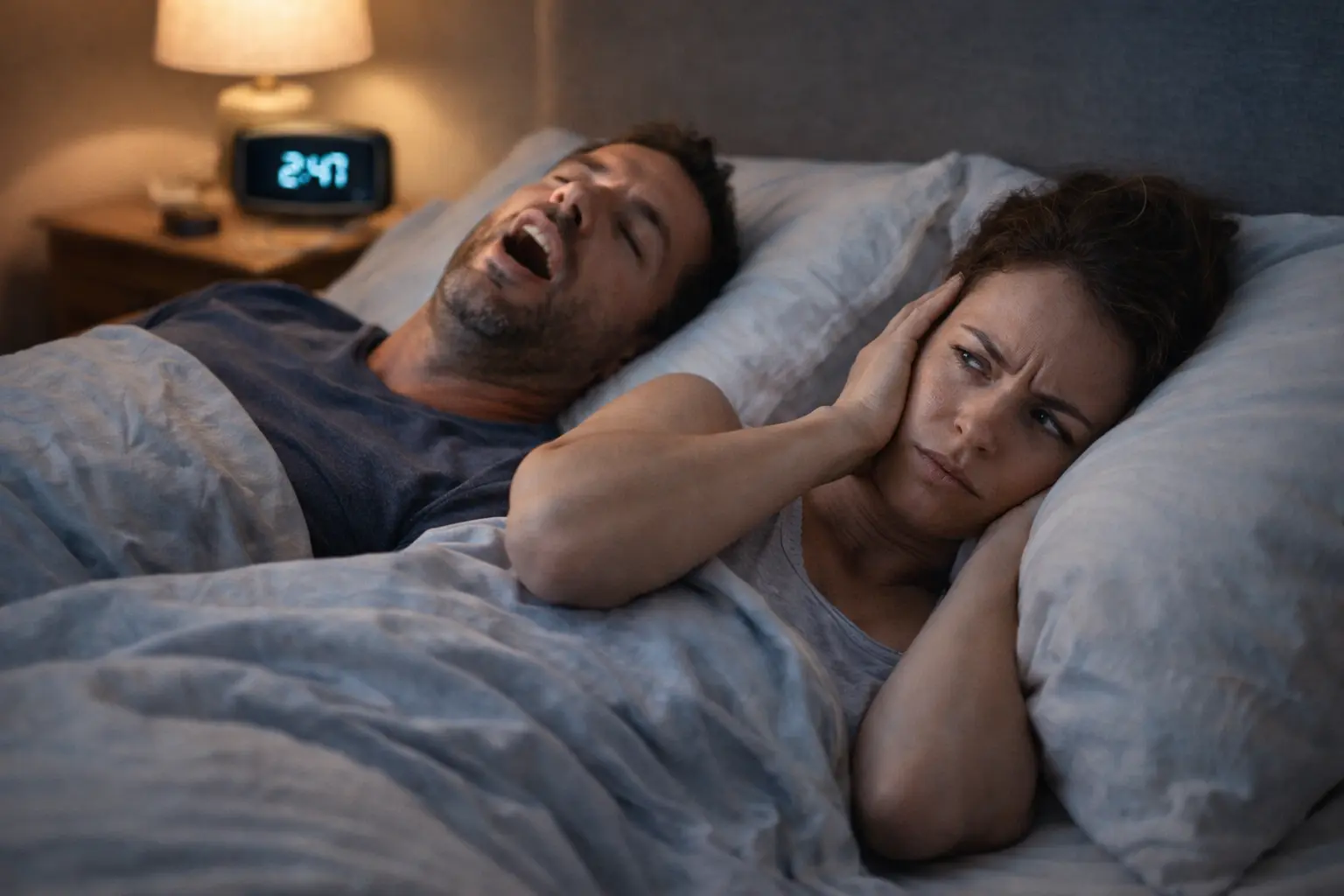
Waking up gasping for air, dragging through your day exhausted, and feeling like your body is working against you at night is what untreated obstructive sleep apnea symptoms do to women, and it stops now.
Understanding obstructive sleep apnea symptoms
Recognizing obstructive sleep apnea symptoms is your entry point to better sleep and health. Many women dismiss loud snoring as harmless or blame daytime fatigue on stress, missing the real culprit. You might notice you wake up gasping, feel morning headaches that linger for hours, or experience irritability that seems disproportionate to your day. Some women describe sudden jolts awake, a sensation of choking, or long pauses in breathing that their partners notice first. Keep a simple sleep diary for two weeks, noting when you feel most tired, any witnessed breathing pauses, and how you feel upon waking. This creates a pattern that helps your doctor understand what is happening. Many women also experience brain fog, difficulty concentrating at work, or mood swings that improve dramatically once they address their sleep apnea. The key is connecting these daytime symptoms back to what happens while you sleep.
- Track your sleep patterns to identify any irregularities.
- Consult a healthcare provider for a formal diagnosis.
- Be aware of additional symptoms like gasping for air during sleep.
Implementing lifestyle changes
Lifestyle modifications form the foundation of managing obstructive sleep apnea symptoms, and many women see meaningful improvement without jumping straight to medical devices. Start by establishing a consistent sleep schedule, going to bed and waking at the same time daily, even on weekends. This regulates your body’s natural rhythm and can reduce apnea episodes. Eliminate alcohol and caffeine at least four hours before bed, as both relax throat muscles and worsen breathing interruptions. If you carry extra weight, even a modest 10 percent reduction can significantly improve symptoms. Add gentle movement like evening walks or yoga to your routine, which strengthens respiratory muscles and improves sleep quality. Create a wind-down ritual starting an hour before bed: dim lights, put your phone away, and practice deep breathing or progressive muscle relaxation. Sleep position matters too; side sleeping is better than back sleeping for keeping airways open. Consider a body pillow to maintain side position throughout the night. These changes take consistency, but many women report feeling noticeably better within three to four weeks.
📘 Fix your day in under 2 minuteschoose where to begin:
Exploring treatment options
When lifestyle changes alone are not enough, several evidence-based treatments effectively manage obstructive sleep apnea symptoms. CPAP therapy, the most common treatment, uses gentle air pressure to keep your airway open during sleep. Many women initially resist CPAP due to discomfort or claustrophobia, but modern masks are smaller and quieter than older versions. Start with a lower pressure setting and gradually increase it as your body adapts. Oral appliances are custom-fitted devices that gently move your lower jaw forward, preventing airway collapse. These work well for mild to moderate apnea and are less intrusive than CPAP. Some women prefer them because they are portable and quieter. For severe cases or when other treatments fail, surgical options exist, though these are typically considered after other approaches. Positional therapy devices, tongue-retaining mouthpieces, and even newer implantable devices offer alternatives. Your sleep specialist will recommend the best option based on your apnea severity, anatomy, and lifestyle. Do not settle for the first option if it does not feel right; finding the right treatment often involves some trial and adjustment.
Creating a sleep-optimized environment
Your bedroom environment directly impacts how well your body can breathe and sleep. Make your room as dark as possible; even small lights from devices disrupt melatonin production and sleep quality. Use blackout curtains or an eye mask if needed. Temperature matters significantly; aim for 60 to 67 degrees Fahrenheit, as cooler rooms promote deeper sleep and reduce sleep fragmentation. Invest in a quality mattress and pillows that support your preferred sleep position, whether that is side or back. If you use CPAP, ensure your mask is properly fitted and your equipment is clean and functioning well. White noise or a fan can mask disruptive household sounds that jolt you awake. Keep your bedroom reserved for sleep and intimacy only, not work or screens. Remove clutter and create a calm visual space that signals rest to your brain. Many women find that upgrading their sleep environment, combined with treatment, accelerates their recovery and improves nightly comfort significantly.
Seeking ongoing support
Managing obstructive sleep apnea symptoms is not a solo journey, and connecting with others who understand your experience transforms how you approach treatment. Sleep apnea support groups, whether online or in-person, provide practical advice from women who have navigated the same challenges. You learn which CPAP masks work best, how to travel with your device, and how to handle partner concerns about snoring or sleep disruption. A therapist or counselor can help address anxiety or depression that often accompanies sleep apnea, especially if you have struggled with fatigue and mood changes for years. Regular follow-ups with your sleep specialist ensure your treatment remains effective and adjusted as needed. Some women benefit from sleep coaching, which combines behavioral strategies with medical treatment for faster results. Do not underestimate the emotional component; feeling validated and understood accelerates your commitment to treatment. Many women report that once they connect with their community and see real improvement in their energy and mood, they become advocates for others recognizing their own symptoms.
Recognize obstructive sleep apnea symptoms, make lifestyle changes, explore treatment options, optimize your sleep environment, and seek ongoing support to manage this condition effectively.
Can sleep apnea symptoms improve with lifestyle changes alone?
While lifestyle modifications can alleviate some symptoms, severe cases may require additional medical treatment for optimal management.
Is sleep apnea a life-threatening condition?
Untreated obstructive sleep apnea can lead to serious health complications, highlighting the importance of seeking professional help.
Others also read:
Disclaimer: This article is for informational purposes only and is not a substitute for professional medical advice. Always consult a healthcare professional for personal guidance.
This guide has been prepared and reviewed by the GlobalHealthBeacon editorial team and reflects current medical research as of 2026. It provides structured, evidence-based information to support informed health decisions.
