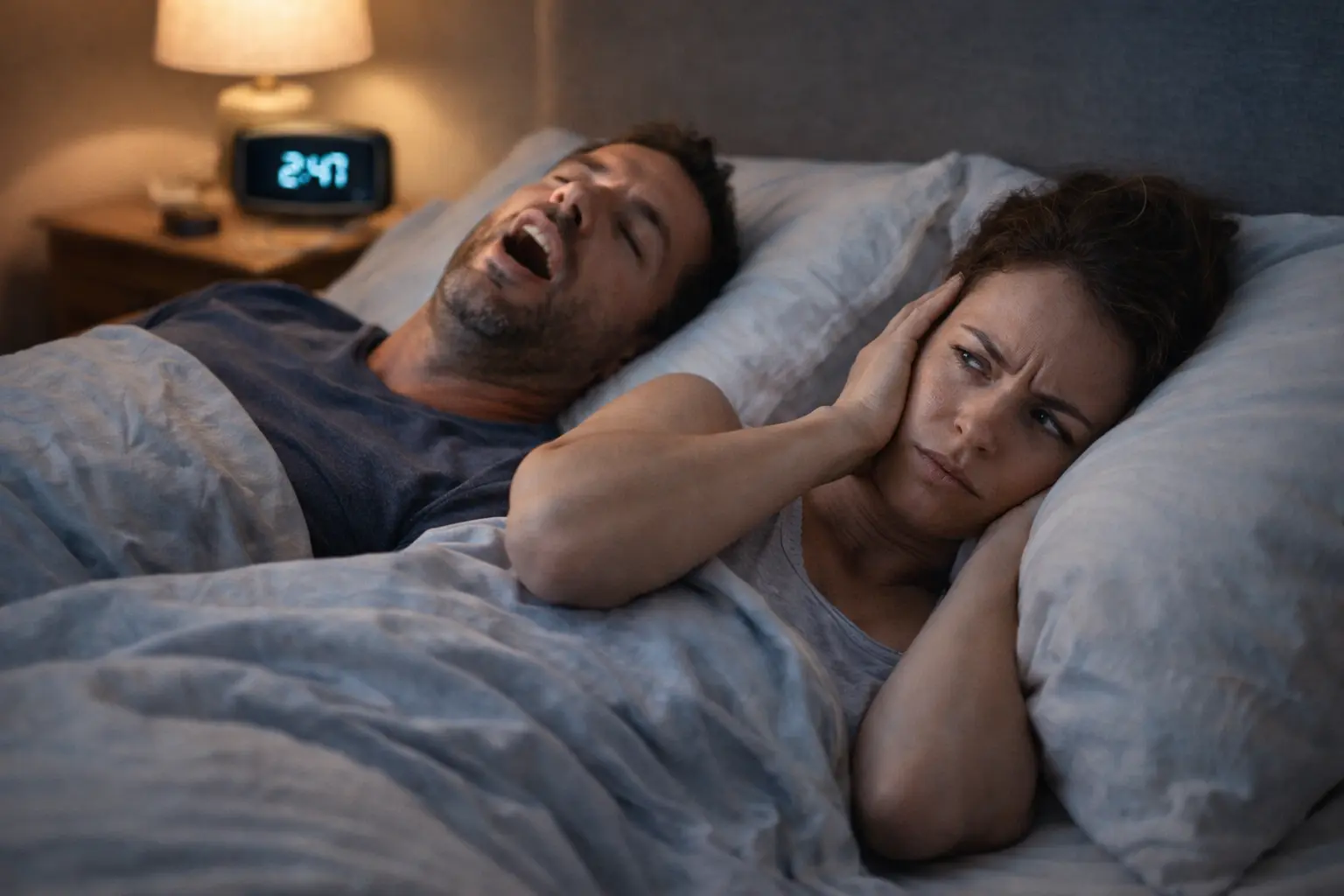
You’re waking up gasping for air, your partner’s complaints about your snoring are getting louder, and you’re exhausted no matter how many hours you spend in bed, and what you’re experiencing are obstructive sleep apnea symptoms that deserve real answers.
Understanding obstructive sleep apnea symptoms
Obstructive sleep apnea occurs when the upper airway becomes partially or fully blocked during sleep, causing breathing pauses that can last from a few seconds to over a minute. Picture this: your throat muscles relax, the airway narrows, and suddenly oxygen flow stops. Your brain detects the drop in oxygen and jolts you awake just enough to resume breathing, often without you fully realizing it happened. Common signs include loud snoring that disrupts your partner’s sleep, gasping or choking sounds during the night, and excessive daytime fatigue that makes afternoon activities feel impossible. Many seniors describe it as feeling like they never truly sleep, waking up with a dry mouth, headaches, or a sense of never being refreshed. Some experience sudden awakenings where they feel their heart racing or sense a panic-like moment. The severity varies widely, from mild episodes a few times per night to severe cases with dozens of breathing interruptions per hour.
Mechanisms of obstructive sleep apnea
The primary mechanism involves the relaxation of throat muscles during sleep, which causes the soft tissues in the airway to collapse inward. When you’re awake, muscle tone keeps your airway open, but during sleep, especially in deeper stages, these muscles naturally relax. In people with obstructive sleep apnea, this relaxation goes too far. The airway narrows or closes completely, blocking airflow to the lungs. This obstruction reduces oxygen levels in your bloodstream, triggering your brain’s arousal response. Your nervous system essentially forces you to partially wake up to tighten those throat muscles and restore breathing. This cycle can repeat dozens of times per hour throughout the night. Over time, your body becomes conditioned to these interruptions, and your sleep architecture becomes fragmented. The repeated oxygen drops also activate your sympathetic nervous system, the fight-or-flight response, which increases heart rate and blood pressure. This constant stress on your cardiovascular system is why untreated sleep apnea carries serious health risks.
Signs and risks of untreated sleep apnea
Ignoring obstructive sleep apnea symptoms can lead to serious health consequences that extend far beyond poor sleep quality. The repeated oxygen drops strain your heart, increasing the risk of high blood pressure, irregular heartbeat, and heart disease. Studies show that untreated sleep apnea significantly raises the risk of stroke, sometimes by up to four times in severe cases. Beyond cardiovascular concerns, chronic sleep deprivation from untreated apnea impairs cognitive function, memory, and decision-making abilities, which is particularly concerning for seniors managing medications or living independently. You might notice increased irritability, depression, or anxiety. Some people experience sudden drops in oxygen that can trigger heart attacks or strokes, especially during sleep. The daytime fatigue can lead to dangerous situations like falling asleep while driving or operating equipment. Additionally, untreated sleep apnea worsens existing conditions like diabetes and can complicate recovery from surgery. Seeking medical evaluation through a sleep study is essential to determine the severity and appropriate treatment options tailored to your specific situation.
- Consult a healthcare professional who can review your symptoms and medical history, then refer you for a sleep study to diagnose and measure the severity of sleep apnea.
- Explore treatment options including continuous positive airway pressure (CPAP) therapy, which uses gentle air pressure to keep your airway open during sleep.
- Make lifestyle changes such as weight loss if applicable, avoiding alcohol and sedatives before bedtime, and sleeping on your side rather than your back.
🔬 Science-backed benefits in 2 minuteschoose where to begin:
Managing sleep apnea symptoms
Effective management of obstructive sleep apnea involves a combination of lifestyle modifications and medical interventions tailored to your needs. Maintaining a healthy weight reduces pressure on your airway, though even modest weight loss can improve symptoms significantly. Sleeping on your side rather than your back helps gravity keep your airway more open, and many people use positional pillows or devices to maintain this position throughout the night. Avoiding alcohol, sedatives, and heavy meals close to bedtime prevents additional airway relaxation. Nasal strips or saline rinses can help if nasal congestion contributes to your symptoms. Medical interventions like CPAP machines deliver pressurized air through a mask, keeping your airway open throughout sleep. Some people benefit from oral appliances that reposition the lower jaw forward, enlarging the airway space. Others find relief through positional therapy devices or even surgical options in specific cases. The key is working with your healthcare team to find what works for your lifestyle and body. Many seniors report that once they find the right treatment, their energy returns, their mood improves, and they finally experience restorative sleep.
Impact of age on sleep apnea symptoms
As you age, your risk of developing obstructive sleep apnea increases significantly due to natural changes in your body. Muscle tone throughout your body decreases with age, and this includes the muscles that keep your airway open during sleep. The structure of your upper airway changes, with tissues becoming less firm and more prone to collapse. Hormonal shifts, particularly in women after menopause, can increase sleep apnea risk. Seniors often have multiple health conditions like high blood pressure or heart disease that both increase apnea risk and make the condition more dangerous. Medications you take for other conditions may worsen sleep apnea by relaxing muscles or affecting breathing patterns. The prevalence of sleep apnea in people over 65 is substantial, with studies suggesting that moderate to severe sleep apnea affects a significant portion of the elderly population. Regular monitoring and treatment become increasingly important because the consequences of untreated apnea compound with age. Your body’s ability to handle repeated oxygen drops diminishes, making cardiovascular complications more likely. This is why healthcare professionals recommend screening for sleep apnea in older adults, especially those with symptoms or risk factors.
Research and clinical trials on elderly sleep apnea
Ongoing research continues to deepen our understanding of how obstructive sleep apnea affects the elderly population specifically. Scientists are investigating why older adults experience different patterns of apnea compared to younger people, and how age-related changes in breathing control and muscle function contribute to severity. Clinical trials are evaluating new treatments designed specifically for seniors, including less invasive devices, improved CPAP mask designs that are more comfortable for extended wear, and oral medications that may help maintain airway muscle tone. Researchers are also studying the long-term outcomes of various treatments in older populations to understand which interventions provide the most benefit with the fewest side effects. Some studies focus on the relationship between sleep apnea and cognitive decline in aging, exploring whether treating apnea can slow memory loss or reduce dementia risk. Other trials examine combination therapies that address multiple contributing factors simultaneously. These research efforts aim to provide seniors with evidence-based treatment options that fit their unique health profiles and improve both sleep quality and overall longevity. Participating in clinical trials can give you access to cutting-edge treatments while contributing to medical knowledge that helps future generations.
Obstructive sleep apnea symptoms can significantly impact your quality of rest, daily energy levels, and overall health, particularly as you age. Recognizing signs like snoring, gasping during sleep, and excessive daytime fatigue, then seeking medical evaluation through a sleep study, are crucial first steps. Understanding the mechanisms behind your symptoms helps you appreciate why treatment matters so much. Exploring treatment options ranging from lifestyle changes to CPAP therapy or oral appliances, and staying engaged with ongoing research, empowers you to take control of your sleep health and protect your cardiovascular system for years to come.
Can sleep apnea symptoms worsen with age?
Yes, age-related changes in muscle tone, airway structure, and hormonal shifts can increase both the likelihood of developing sleep apnea and the severity of existing symptoms in older individuals. Regular assessment and appropriate treatment are essential to prevent complications and maintain quality of life.
Are there natural remedies for alleviating sleep apnea symptoms?
While lifestyle changes like weight loss, positional therapy, avoiding alcohol before bed, and sleeping on your side can help manage mild sleep apnea symptoms, medical interventions such as CPAP therapy are often necessary for moderate to severe cases to effectively maintain airway patency and prevent serious health consequences.
Others also read:
Disclaimer: This article is for informational purposes only and is not a substitute for professional medical advice. Always consult a healthcare professional for personal guidance.
This article has been prepared and reviewed by the GlobalHealthBeacon editorial team and is based on current medical research and published scientific literature available in 2026. It provides structured, evidence-based information to support informed health decisions.
← Back to the Main page on: obstructive sleep apnea symptoms
