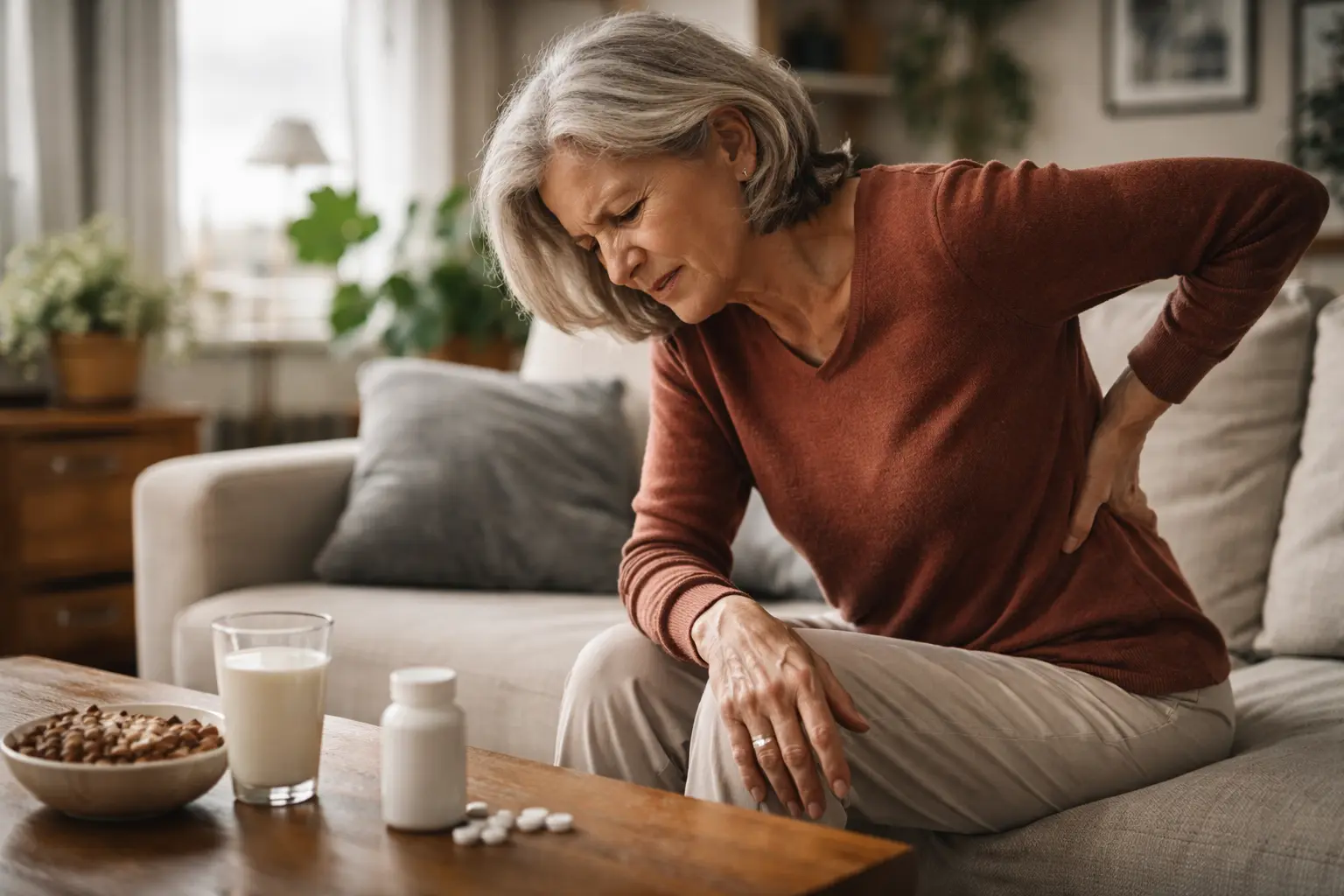
Your bones are silently weakening right now, and most young adults have no idea osteoporosis risk factors are already shaping their skeletal future, but the good news is you can completely reverse course starting today.
Understanding osteoporosis risk factors
Osteoporosis risk factors are like warning lights on your bone health dashboard. Think of your skeleton as a living structure that’s constantly breaking down and rebuilding itself. When you understand what threatens this process, you gain real power to intervene. Age matters, but here’s what surprises most young adults: your 20s and 30s are when you build peak bone mass, which directly determines your fracture risk decades later. Gender plays a role too. Women face higher risk, especially after menopause when estrogen drops. But men aren’t off the hook. Family history is a significant predictor. If your parents or grandparents had osteoporosis, your genetic blueprint may predispose you to weaker bones. Lifestyle factors are equally critical and often overlooked. Someone working a desk job, skipping exercise, and living on processed foods is essentially fast-tracking bone loss. Smoking accelerates bone deterioration by interfering with calcium absorption. Excessive alcohol consumption does the same. Medical conditions like thyroid disorders, celiac disease, and certain cancers can compromise bone density. Some medications, particularly corticosteroids used for asthma or autoimmune conditions, actively weaken bones over time. The key insight: many of these factors are within your control right now.
- Physical inactivity is a significant risk factor for osteoporosis.
- Smoking and excessive alcohol consumption can weaken bones.
- A diet low in calcium and vitamin D increases the risk of osteoporosis.
- Family history of osteoporosis can predispose you to the condition.
- Certain medical conditions and medications can impact bone health.
Taking charge: lifestyle tweaks for bone health
This is where you move from understanding risk to actually building stronger bones. Weight-bearing exercise is non-negotiable. Walking, dancing, jogging, or hiking forces your bones to work against gravity, which triggers them to strengthen. A 25-year-old who walks 30 minutes daily is already ahead of peers who don’t. Resistance training amplifies this effect. Lifting weights, using resistance bands, or doing bodyweight exercises like push-ups directly stimulates bone-forming cells. Start with what feels manageable. Three sessions weekly is enough to see measurable improvements in bone density within months. Nutrition is equally foundational. Calcium isn’t just about drinking milk. Greek yogurt, leafy greens like kale and collard greens, fortified plant-based milks, and sardines all deliver calcium. Vitamin D is the absorption enabler. Without it, calcium passes through your system unused. Spend 15 to 30 minutes in sunlight several times weekly, or include fatty fish, egg yolks, and fortified foods. Quitting smoking removes a major bone-weakening accelerant immediately. Your bones begin recovering within weeks. Limiting alcohol to moderate levels (one drink daily for women, two for men) protects bone density. These aren’t restrictions. They’re investments in your skeletal future.
📘 Fix your day in under 2 minuteschoose where to begin:
Bone density testing: when and why
Bone density testing sounds clinical, but it’s simply a snapshot of your bone strength. A DEXA scan is the standard test, using low-dose X-rays to measure bone mineral density. You lie still for 10 to 30 minutes while the machine scans your hip, spine, and sometimes forearm. It’s painless and radiation exposure is minimal. The results give you a T-score, which compares your bone density to a healthy young adult. A score of minus 1 or higher is normal. Between minus 1 and minus 2.5 indicates osteopenia, or bone loss that hasn’t yet reached osteoporosis levels. Below minus 2.5 means osteoporosis. Here’s the practical part: most healthy young adults don’t need testing unless they have risk factors. If you have a family history, take medications affecting bone health, have an eating disorder history, or engage in extreme athletic training, ask your doctor about testing. Getting a baseline now lets you track changes over years and catch problems early. If testing reveals low bone density, you have time to reverse it through lifestyle changes before fracture risk becomes serious. Think of it as preventive intelligence.
Nutritional supplements for bones
Supplements fill gaps your diet can’t cover alone. If you’re lactose intolerant, vegan, or simply don’t eat enough calcium-rich foods, supplementation makes sense. Calcium citrate absorbs better than calcium carbonate, especially if you have low stomach acid. A typical dose is 500 to 600 milligrams twice daily with food. Vitamin D supplementation is increasingly important, particularly if you live in northern climates with limited winter sunlight or work indoors. Most young adults benefit from 600 to 1000 IU daily, though some need more. Your doctor can test your vitamin D levels to determine your specific requirement. Magnesium and vitamin K2 also support bone health, though research is still evolving. Before starting any supplement regimen, consult your healthcare provider. Some supplements interact with medications. If you take thyroid medication, for instance, calcium supplements must be taken hours apart. Your doctor can also assess whether your diet truly falls short or if you’re already meeting needs through food. Supplements aren’t magic. They work best alongside exercise and a whole-foods diet.
Stay informed: regular checkups and monitoring
Your bone health doesn’t exist in isolation. Regular checkups catch emerging issues and keep you accountable. During annual physicals, mention your family history and lifestyle factors. Your doctor can assess your individual risk and recommend testing or interventions tailored to you. Bone health evolves. Hormonal changes, medication adjustments, or life transitions like pregnancy or menopause shift your risk profile. Staying informed means reading credible sources, not just headlines. Medical organizations like the National Osteoporosis Foundation publish evidence-based guidance. Your doctor can point you toward reliable resources. Consider keeping a simple log of your exercise, diet quality, and any symptoms. This tangible record helps you spot patterns and stay motivated. If you notice increased fractures, height loss, or back pain, report it immediately. These can signal accelerated bone loss. The empowering truth: osteoporosis is largely preventable when you act early. Your 20s and 30s are the critical window. The habits you build now determine your bone strength at 60 and beyond. Regular monitoring keeps you on track and confident.
Understanding osteoporosis risk factors, adopting healthy habits, undergoing bone density tests, considering supplements, and staying informed are key steps in preventing osteoporosis and safeguarding your bone health.
What are the primary risk factors for osteoporosis?
Primary risk factors for osteoporosis include aging, female gender, family history of the condition, low body weight, smoking, excessive alcohol consumption, and a sedentary lifestyle.
How can I improve my bone health naturally?
To improve your bone health naturally, engage in weight-bearing exercises, consume a balanced diet rich in calcium and vitamin D, quit smoking, limit alcohol intake, and consider supplements if necessary.
Others also read:
Disclaimer: This article is for informational purposes only and is not a substitute for professional medical advice. Always consult a healthcare professional for personal guidance.
This guide has been prepared and reviewed by the GlobalHealthBeacon editorial team and reflects current medical research as of 2026. It provides structured, evidence-based information to support informed health decisions.
