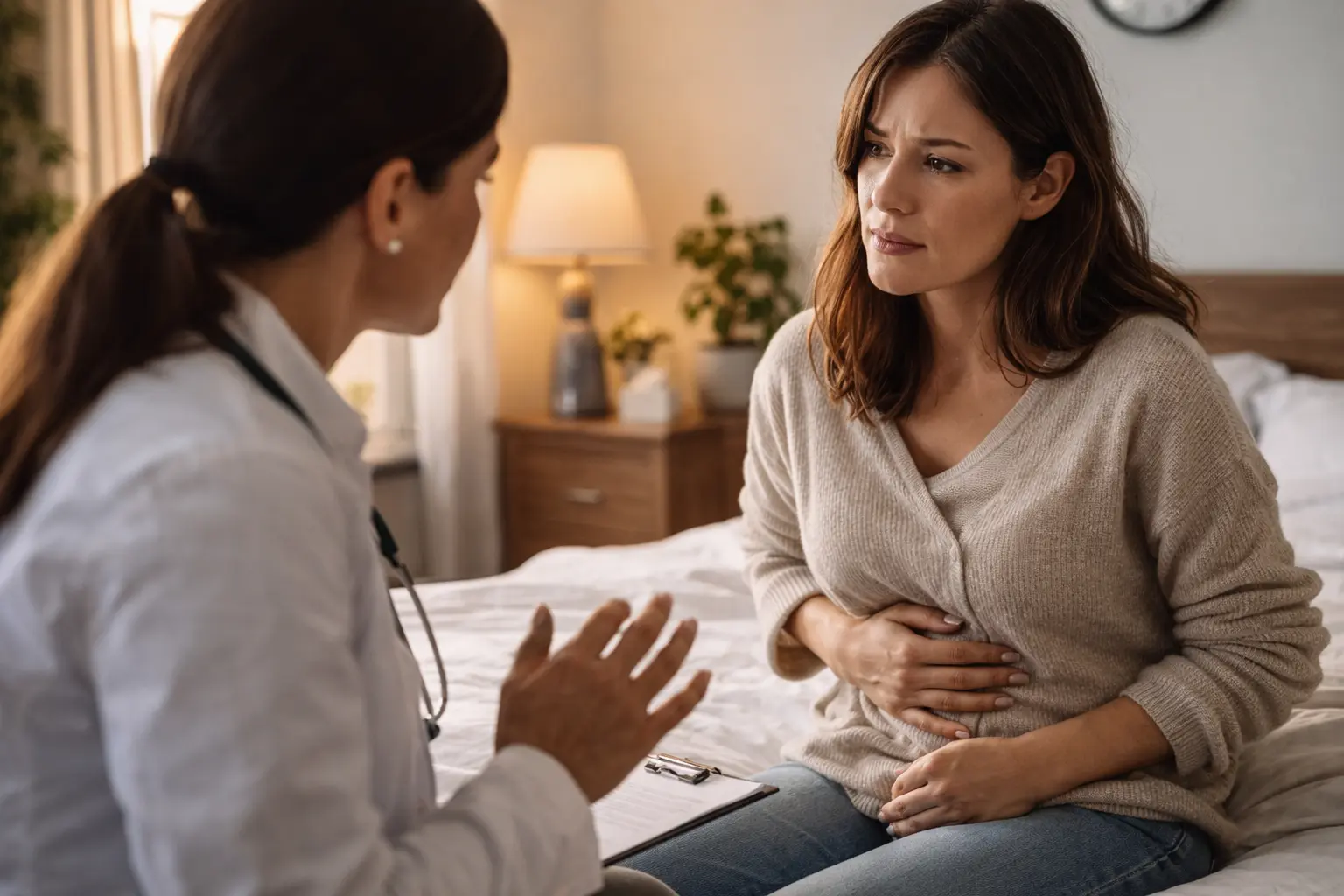
You’re exhausted before noon, your skin won’t cooperate, your period vanishes for months, and nobody seems to get why you feel like your body turned against you – welcome to living with PCOS symptoms explained through the eyes of those actually experiencing it.
Understanding PCOS: unraveling the mystery
PCOS hits different when you’re in your twenties or thirties. You might notice your period skipping months, then showing up unexpectedly heavy. Your skin breaks out in places you never had acne before. Weight creeps on despite eating relatively well and exercising. Then there’s the hair situation – unwanted facial hair or thinning on your scalp that makes you question what’s happening inside your body. The real frustration sets in when you realize these aren’t just random issues. They’re connected. PCOS is a hormonal disorder where your body struggles to regulate insulin and androgens, creating a domino effect throughout your system. One young adult described it as feeling like her body was playing a prank on her – nothing worked the way it should. Understanding that these symptoms cluster together under one condition can feel like finally getting answers after months of confusion and self-blame.
- Irregular menstrual cycles that can last months or appear unexpectedly
- Hormonal imbalances affecting skin, hair, and weight
- Risk of insulin resistance leading to metabolic challenges
Coping with emotional upheaval
The physical symptoms are one thing, but the emotional weight of PCOS often catches people off guard. Imagine scrolling through social media watching friends announce pregnancies while you’re worried about whether you’ll be able to conceive. Or dealing with mood swings so intense that you snap at people you care about, then feel crushing guilt afterward. Many young adults with PCOS describe feeling isolated because nobody around them understands why they’re struggling. You might look fine on the outside, but internally you’re battling anxiety about your health, depression about body image changes, and frustration about feeling broken. One person shared how she stopped going to beach days because she felt self-conscious about facial hair and weight gain. The mental health piece deserves real attention because it’s not weakness or drama – it’s a legitimate response to navigating a chronic condition during years when you’re supposed to feel confident and carefree.
💬 Ready to feel better in 2 minutes?choose where to begin:
Managing physical symptoms: a daily battle
Waking up with new facial hair growth or noticing your hair thinning more than usual can genuinely shake your confidence. You might find yourself spending extra time on grooming routines that feel exhausting and expensive. Acne breakouts in unexpected places, weight gain concentrated in areas you can’t control, and persistent fatigue that no amount of sleep seems to fix – these aren’t just cosmetic concerns. They affect how you show up in the world. One young adult talked about how she avoided certain social situations because she felt too self-conscious about her appearance. Another described the exhaustion as bone-deep, making it hard to maintain her workout routine, which then made the weight management even more challenging. The key insight many people discover is that these physical symptoms aren’t personal failures. They’re biological responses to hormonal imbalances. Recognizing this shift in perspective can be transformative, moving from shame to problem-solving mode where you can explore treatments and lifestyle adjustments that actually address the root cause.
Finding support and empowerment
One of the most powerful moments in many people’s PCOS journey is connecting with someone else who truly gets it. Online communities, support groups, or even one friend who also has PCOS can shift everything. You realize you’re not alone in these struggles, which sounds simple but feels revolutionary when you’ve been silently suffering. Sharing experiences – whether it’s comparing medication side effects, swapping tips about managing fatigue, or just venting about the frustration – creates a sense of belonging. Some young adults find empowerment through learning about their condition deeply, becoming their own health advocates. Others discover it through lifestyle changes that actually improve their symptoms. The journey isn’t linear or quick, but understanding that thousands of other young adults are navigating the same challenges, the same emotional rollercoaster, and the same body image struggles can be incredibly grounding. This knowledge transforms PCOS from something happening to you into something you’re actively managing with support and community behind you.
PCOS symptoms can affect every aspect of life, from physical appearance to mental well-being. Understanding the challenges faced by young adults with PCOS is crucial for offering support and empathy.
Can PCOS be cured?
While there is no cure for PCOS, symptoms can be managed through lifestyle changes, medications, and sometimes fertility treatments.
Is PCOS a lifelong condition?
PCOS is a chronic condition that requires long-term management, but with the right support and treatment, many individuals lead fulfilling lives.
Others also read:
Disclaimer: This article is for informational purposes only and is not a substitute for professional medical advice. Always consult a healthcare professional for personal guidance.
This article presents an experience-based perspective and has been reviewed by the GlobalHealthBeacon editorial team in 2026. It provides structured, evidence-based information to support informed health decisions.
