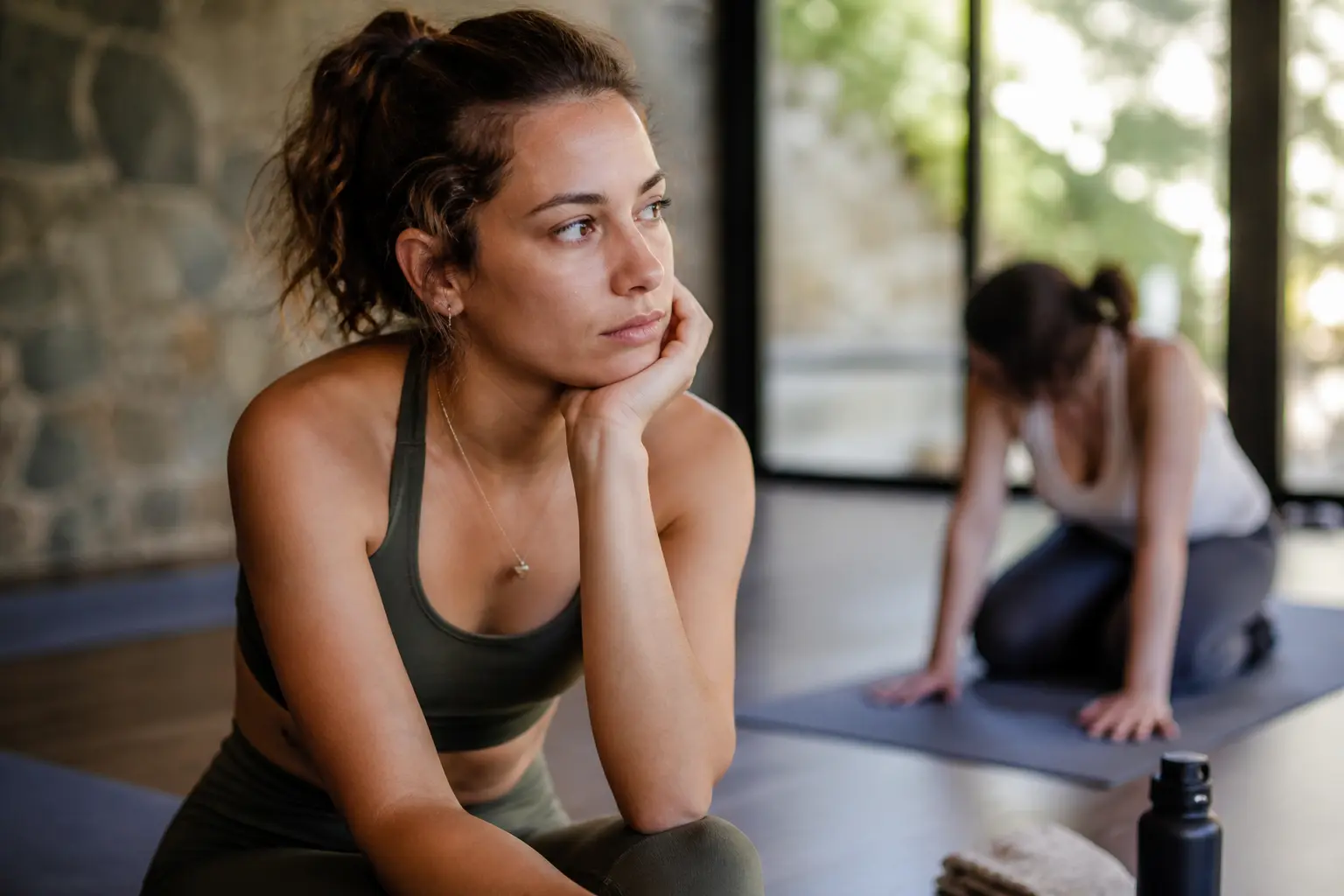
Your body is screaming for relief from constant stress, your shoulders live in your ears, and you have no idea whether pilates versus yoga cortisol management is the answer you actually need.
Understanding the basics: pilates and yoga explained
Pilates and yoga are fundamentally different approaches to movement, though both deliver real results for women managing stress and cortisol. Pilates is a precision-based system that emerged in the early 1900s, designed to build core strength through controlled, deliberate movements. You perform exercises on a mat or specialized equipment, focusing on alignment, breathing, and engaging deep abdominal muscles. Think of it as strength training with intention. Yoga, by contrast, is an ancient practice spanning thousands of years that weaves together physical postures called asanas, breathing techniques called pranayama, and meditation. When you practice yoga, you are not just moving your body; you are cultivating awareness and calm simultaneously. A woman might choose pilates if she wants visible muscle definition and postural improvements, or yoga if she seeks a more meditative, full-body integration approach. Both practices improve flexibility and balance, but they get there through different pathways.
- Pilates targets specific muscles for strength and tone.
- Yoga emphasizes holistic well-being through physical and mental practices.
- Both can improve flexibility, balance, and posture.
Managing cortisol levels: the impact of pilates
Cortisol is your body’s primary stress hormone, and when it stays elevated for weeks or months, it triggers fatigue, weight gain, poor sleep, and weakened immunity. Pilates directly addresses this by creating a calm, focused environment where your nervous system downregulates. During a pilates session, you concentrate intensely on breath and movement, which naturally pushes aside racing thoughts and work deadlines. The controlled breathing patterns in pilates activate your parasympathetic nervous system, the part responsible for rest and recovery. Additionally, pilates reduces physical tension stored in your muscles, especially the neck, shoulders, and lower back where stress accumulates. A woman who does pilates three times weekly often reports sleeping better within two weeks and feeling less reactive to daily stressors. The practice also builds resilience; as you strengthen your core and master challenging movements, you develop confidence that extends beyond the studio into your daily life, helping you handle pressure with greater composure.
📘 Fix your day in under 2 minuteschoose where to begin:
Stress reduction benefits of yoga
Yoga is specifically designed to calm your mind and body through the marriage of movement, breath, and mindfulness. When you hold a yoga pose, you are not just stretching muscles; you are signaling safety to your nervous system. Styles like restorative yoga and yin yoga are particularly powerful for cortisol reduction because they involve longer holds in gentle poses, allowing your body to fully relax. The breathing techniques in yoga, especially extended exhales, activate the vagus nerve, which is like a reset button for stress. Many women find that a 30-minute yoga session leaves them feeling mentally clearer and emotionally lighter than they felt before. The meditative component of yoga also rewires how you respond to stress over time; regular practitioners report fewer anxious thoughts and greater emotional resilience. Unlike pilates, which emphasizes strength building, yoga emphasizes surrender and acceptance, making it ideal if your stress manifests as tension, racing thoughts, or emotional overwhelm rather than a need for physical strengthening.
Choosing the right practice for you
The choice between pilates and yoga depends on your specific goals, body type, and what your stress looks like. Ask yourself: Do you feel weak or unstable in your core, or do you feel mentally scattered and emotionally drained? If you have poor posture from desk work and want visible muscle tone alongside stress relief, pilates is your answer. If you feel emotionally overwhelmed, struggle with racing thoughts, or need permission to slow down, yoga is likely the better fit. Consider also your schedule and preferences. Pilates classes are often 45 to 60 minutes of focused intensity, while yoga ranges from gentle 30-minute sessions to vigorous 90-minute flows. Some women thrive with structure and challenge; others need gentleness and space to breathe. You might also factor in accessibility. Pilates typically requires equipment or a studio membership, while yoga can be done anywhere with a mat. Try both for at least two weeks before deciding; your body will tell you which one feels more sustainable and enjoyable.
Creating your ideal routine
The most effective approach for many women is combining both practices strategically. You might do pilates twice weekly on Mondays and Thursdays to build strength and postural awareness, then practice yoga on Wednesday and Saturday for stress relief and flexibility. This combination addresses cortisol from multiple angles: pilates reduces physical tension and builds confidence, while yoga calms your nervous system and quiets mental chatter. Start with what feels most urgent. If stress is your primary concern, begin with yoga and add pilates later. If weakness or poor posture bothers you, start with pilates and layer in yoga for recovery. Listen to your body; some weeks you might need more yoga if work is intense, while other weeks pilates feels more grounding. Track how you feel after each practice for two weeks. Note your sleep quality, energy levels, mood, and stress response. This data helps you identify which practice serves you best and in what proportion. Remember that consistency matters more than intensity; three weeks of regular practice beats sporadic intense sessions.
Pilates and yoga offer distinct but complementary pathways to managing cortisol and reducing stress. Pilates builds strength and postural awareness while calming your nervous system through controlled movement and breathing. Yoga emphasizes mindfulness, flexibility, and deep relaxation, making it powerful for emotional stress relief. The ideal approach for most women involves combining both practices based on your specific needs, schedule, and stress patterns. Start with whichever resonates most, then experiment with blending them into a sustainable routine that keeps cortisol in check and supports your overall well-being.
Can pilates and yoga help reduce cortisol levels?
Yes, both practices actively lower cortisol by activating your parasympathetic nervous system, reducing physical tension, and promoting mental calm. Pilates does this through controlled movement and breathing, while yoga combines physical postures, breath work, and meditation for a comprehensive stress-reduction effect.
Which practice is better for stress relief: pilates or yoga?
Both are effective, but they work differently. Pilates is better if you need strength building and postural correction alongside stress relief. Yoga is superior if your stress manifests as mental overwhelm, emotional tension, or racing thoughts. Many women benefit most from combining both practices strategically.
Others also read:
Disclaimer: This article is for informational purposes only and is not a substitute for professional medical advice. Always consult a healthcare professional for personal guidance.
This guide has been prepared and reviewed by the GlobalHealthBeacon editorial team and reflects current medical research as of 2026. It provides structured, evidence-based information to support informed health decisions.
