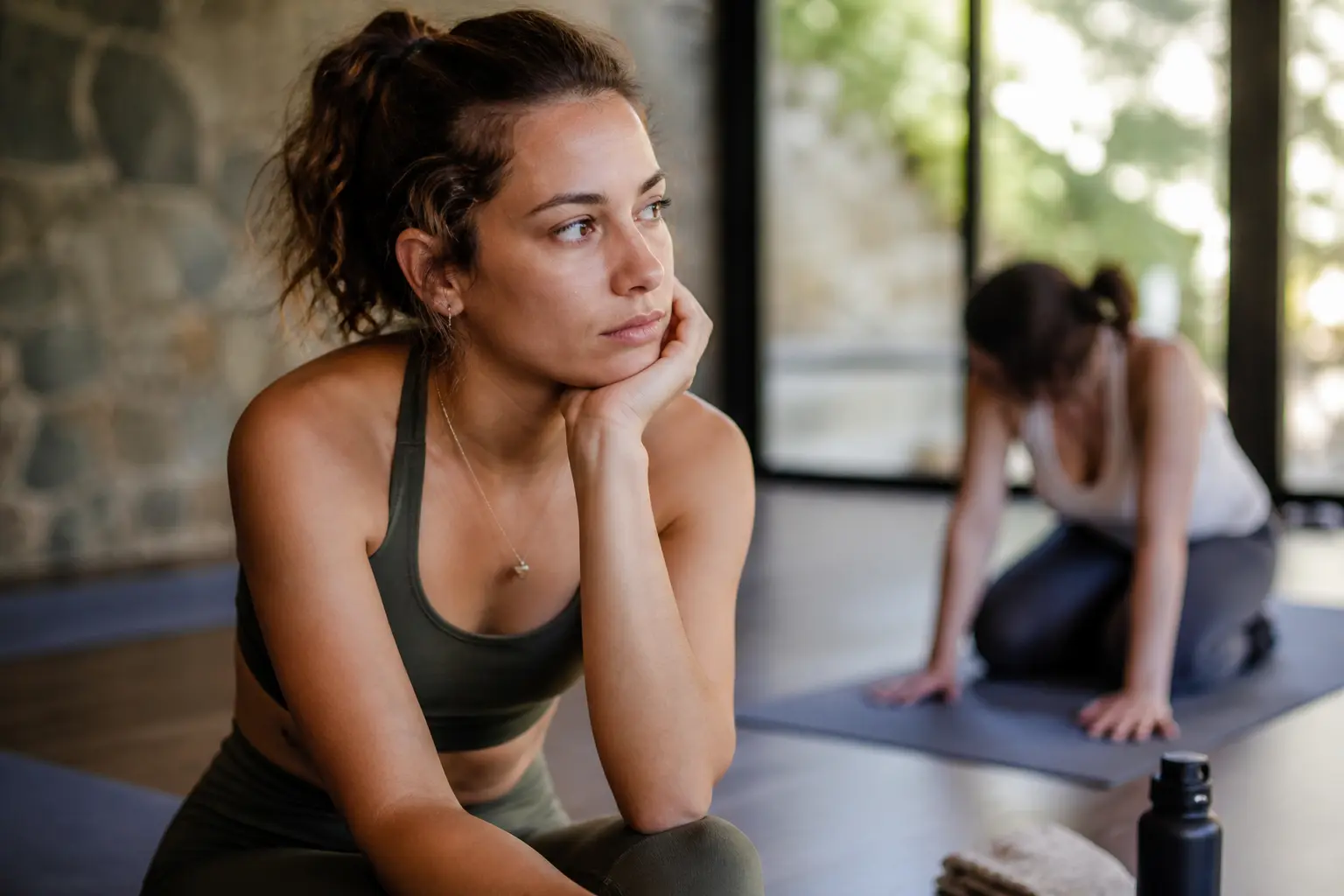
Your shoulders are constantly tense, you wake up exhausted even after eight hours of sleep, and stress seems to live permanently in your chest—this is what unchecked cortisol feels like, and the pilates versus yoga cortisol debate might actually hold the answer to finally feeling like yourself again.
Understanding the basics
Pilates and yoga approach movement differently, and understanding these distinctions helps you pick the right tool for your stress management toolkit. Pilates is a structured system built around controlled, precise movements that demand your full mental attention. You focus on engaging your core, maintaining alignment, and moving with intention—think of it as strength training meets meditation. Yoga, by contrast, weaves together physical postures called asanas with breathing techniques and mindfulness meditation. A typical yoga session might flow through standing poses, forward folds, and restorative stretches while you synchronize your breath with movement. Both practices activate your parasympathetic nervous system, the part responsible for calming your body down. When you practice either regularly, your nervous system learns to downregulate stress responses, which directly lowers cortisol production. The key difference is that Pilates emphasizes physical precision and core engagement, while yoga emphasizes breath awareness and mental stillness. For young adults juggling work, relationships, and personal goals, both offer accessible entry points into stress reduction.
- Pilates emphasizes controlled movements and resistance training.
- Yoga incorporates relaxation techniques and mindfulness practices.
- Both Pilates and yoga can enhance overall well-being and reduce cortisol levels.
Pilates for stress relief
Pilates works as a stress reliever because it demands complete mental presence—you cannot zone out during a session. When you are performing a Pilates move like the hundred or a controlled leg circle, your brain is fully engaged in coordinating breath, core engagement, and precise movement patterns. This focused attention naturally crowds out the anxious thoughts and work worries that fuel cortisol production. Imagine you have had a chaotic day of back-to-back meetings and emails. You step into a Pilates studio, lie on the reformer, and begin a series of controlled movements. Within minutes, your mind shifts from problem-solving mode to body-awareness mode. Your nervous system recognizes this shift and begins releasing tension. Regular Pilates practice strengthens not just your core muscles but also your mental resilience. You develop better body awareness, improved posture, and a sense of physical control that carries into your daily life. Many young adults find that Pilates provides tangible physical results alongside stress reduction, making it easier to stay consistent with the practice.
📘 Fix your day in under 2 minuteschoose where to begin:
Yoga for mind-body balance
Yoga operates on a different principle: it teaches your nervous system to find calm through breath and stillness. During a yoga session, you move through poses while maintaining steady, conscious breathing. This breath-body connection is powerful. When you practice slow, deep breathing in poses like child’s pose or supported forward fold, your vagus nerve activates, signaling safety to your entire system. Cortisol levels drop as your body recognizes there is no immediate threat. Consider a scenario where you are feeling overwhelmed by life decisions. You attend a gentle yoga class. The instructor guides you through grounding poses, encouraging you to notice sensations without judgment. By the end of the session, your nervous system has shifted from fight-or-flight into rest-and-digest mode. Yoga also builds emotional resilience through its mindfulness component. You learn to observe thoughts and feelings without being controlled by them. This skill translates directly into better stress management in your daily life. Young adults often report that yoga provides not just physical relaxation but also mental clarity and emotional balance, making it ideal for managing the psychological weight of modern life.
Choosing your practice
The best practice is the one you will actually do consistently, so honest self-assessment matters. Ask yourself what appeals to you more: structured, precision-based movement or flowing, breath-centered practice? Consider your current fitness level, schedule, and stress triggers. If you thrive on measurable progress and physical challenge, Pilates might feel more motivating. If you crave mental quietness and emotional release, yoga might resonate more. Try this approach: commit to four weeks of Pilates classes, then four weeks of yoga, and notice how each makes you feel. Pay attention to your energy levels, sleep quality, and how stressed you feel during the week. Some young adults discover they prefer one practice, while others find they need both. There is no wrong answer. Common mistakes include choosing based on trends rather than personal fit, expecting immediate results and quitting too soon, or forcing yourself into a practice that does not align with your personality. Give yourself permission to experiment without judgment. Your cortisol levels will respond best to whichever practice you can sustain long-term.
Incorporating both into your routine
You do not have to choose between Pilates and yoga. Many people find that combining both creates a comprehensive stress-management strategy. A practical weekly structure might look like this: two Pilates sessions for strength and mental focus, two yoga sessions for flexibility and nervous system regulation, and one rest day. This combination targets different aspects of stress and physical fitness simultaneously. Pilates strengthens your body and sharpens mental focus, while yoga calms your nervous system and improves flexibility. Together, they address cortisol from multiple angles. For example, if you have a high-stress week at work, you might lean more heavily into yoga to soothe your nervous system. During calmer weeks, you might increase Pilates to build physical resilience. Young adults often appreciate this flexibility because life is unpredictable. You can adjust your routine based on what your body and mind need. Start with one class of each per week, then gradually build from there. Listen to your body and adjust frequency based on recovery and how you feel. This balanced approach maximizes both the physical and psychological benefits of movement.
Exploring the differences between Pilates and yoga can help you find a mind-body practice that suits your needs. Both disciplines offer unique benefits for stress reduction and cortisol management, allowing you to enhance your well-being through movement and mindfulness.
Can Pilates and yoga help reduce cortisol levels?
Yes, both Pilates and yoga have been shown to have stress-reducing effects and can help lower cortisol levels when practiced regularly.
Which practice is better for beginners, Pilates or yoga?
Both Pilates and yoga offer beginner-friendly classes and modifications, making them accessible to individuals of all fitness levels. It ultimately comes down to personal preference and goals.
Others also read:
Disclaimer: This article is for informational purposes only and is not a substitute for professional medical advice. Always consult a healthcare professional for personal guidance.
This guide has been prepared and reviewed by the GlobalHealthBeacon editorial team and reflects current medical research as of 2026. It provides structured, evidence-based information to support informed health decisions.
