Part of: Gut Health
Prebiotics are non-digestible food components that serve as fuel for beneficial bacteria living in the human digestive system. Unlike probiotics, which introduce live bacteria directly into the gut, prebiotics work by nourishing the microorganisms already present, creating an environment where healthy bacteria can thrive and support overall digestive function. Understanding which foods contain prebiotics is essential for anyone seeking to optimize gut health through dietary choices.
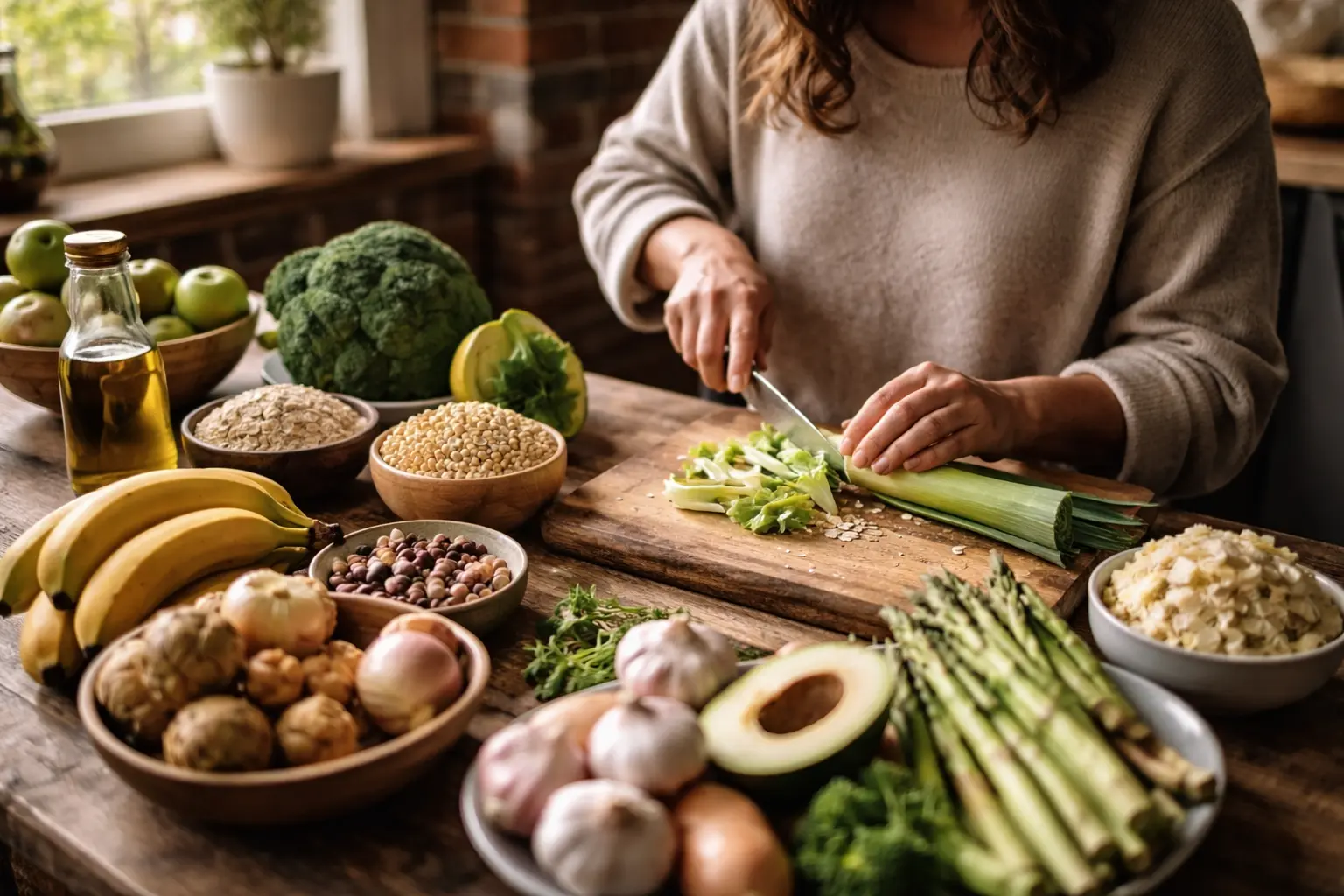
A comprehensive prebiotics foods list typically includes a variety of plant-based sources rich in soluble and insoluble fiber. Common prebiotic foods span multiple food categories: fruits such as bananas and apples, vegetables including garlic, asparagus, and sweet potatoes, whole grains like barley and oats, and legumes such as beans and lentils. These foods contain specific types of fiber—inulin, fructooligosaccharides (FOS), and resistant starch—that human digestive enzymes cannot break down, allowing them to reach the colon intact where they feed beneficial bacteria.
The science behind prebiotics demonstrates clear connections between dietary fiber intake and digestive health outcomes. By consuming prebiotic-rich foods regularly, individuals may experience improved digestion, enhanced nutrient absorption, better immune function, and overall wellness optimization. However, understanding the distinction between prebiotics and probiotics, recognizing which foods deliver meaningful prebiotic content, and learning how to incorporate these foods into daily eating patterns requires accessible, evidence-based guidance tailored to different life stages and health situations.
This comprehensive resource provides detailed exploration of prebiotic foods from multiple perspectives, including foundational science, practical implementation strategies, and real-world experiences across different demographic groups. Whether seeking to address specific digestive concerns, improve energy levels, or simply enhance nutritional intake, users will find in-depth articles covering the mechanisms of action, evidence-based food recommendations, honest evaluations of effectiveness, and actionable steps for dietary integration.
This Mayo Clinic page explains the difference between probiotics and prebiotics, noting that prebiotics are non-digestible components in high-fiber foods that help beneficial gut bacteria grow and support digestive health. → Click here