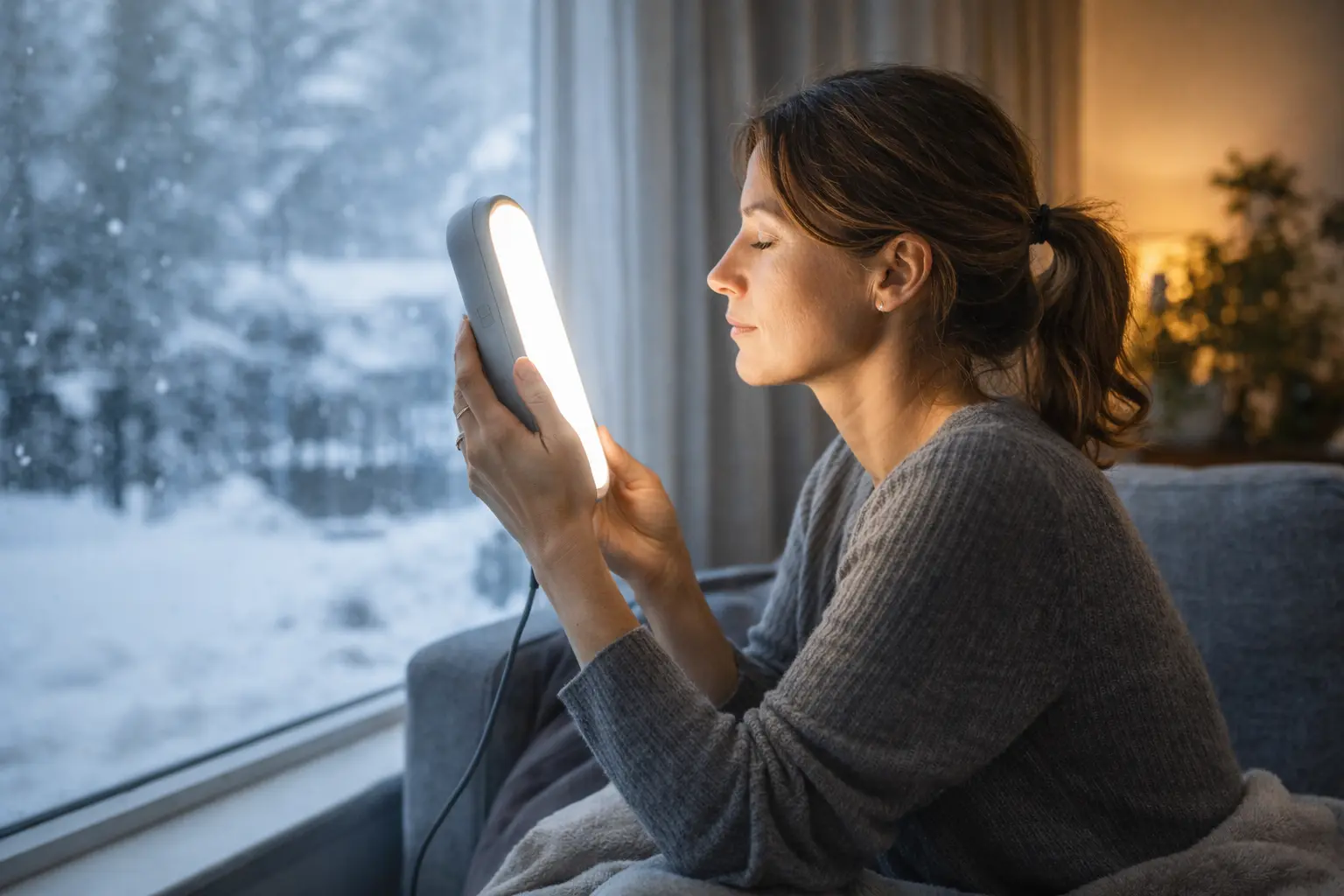
When the sun disappears by 4 PM and you can’t shake that heavy, suffocating darkness from your chest, you know something deeper than bad weather is happening to prevent winter depression symptoms from taking over your life.
Recognizing the signs of seasonal affective disorder
Picture this: it’s November, and Margaret, a 68-year-old retired teacher, notices she’s canceling her weekly book club meetings. Her favorite hobbies feel pointless. She’s sleeping 12 hours a day but still feels exhausted. These aren’t just winter blues. Seasonal Affective Disorder in seniors manifests as persistent changes in appetite, crushing fatigue that no amount of rest fixes, overwhelming feelings of hopelessness, and irritability that surprises even them. Many seniors dismiss these shifts as normal aging, but they’re not. The key difference is intensity and duration. SAD symptoms linger and deepen as winter progresses. Light therapy, increased physical activity, and maintaining connections with loved ones become vital lifelines. Recognizing these patterns early gives you power to act before the darkness fully settles in.
- Decreased interest in activities once enjoyed
- Difficulty concentrating or making decisions
- Increased fatigue and lethargy
Embracing light therapy for mood elevation
James, 72, sits in front of his light therapy lamp each morning at 6 AM, sipping coffee while the bright glow washes over his face. Within weeks, he feels like himself again. Light therapy works by mimicking natural sunlight and resetting your body’s internal clock, which gets thrown off during darker months. For seniors, this is transformative. The bright light signals your brain to regulate serotonin and melatonin production, naturally lifting mood and restoring energy. Most experts recommend 20 to 30 minutes of exposure to a 10,000-lux light therapy lamp in the early morning. The timing matters. Morning exposure is far more effective than evening use, which can interfere with sleep. Many seniors notice improvements within three to seven days. It’s not magic, but it’s remarkably close.
💬 Ready to feel better in 2 minutes?choose where to begin:
Cultivating social connections for emotional support
Rosa used to dread winter because isolation made everything worse. She’d sit alone in her apartment while darkness pressed against the windows, her thoughts spiraling. Then she joined a virtual painting class and started calling her grandchildren weekly. That human connection became her anchor. Isolation amplifies SAD symptoms dramatically. When seniors withdraw, the depression deepens, creating a painful cycle. Staying socially engaged, whether through video calls with family, attending community center activities, joining hobby groups, or even texting friends regularly, provides emotional ballast. These connections remind you that you matter, that life continues beyond the gray skies. For many seniors, knowing someone is checking in on them gives them reason to get out of bed. Social engagement isn’t optional when battling winter depression. It’s medicine.
Prioritizing physical activity and mindful practices
Harold, 70, started taking 20-minute walks each morning, even in the cold. Within two weeks, his mood shifted. His body felt less stiff, his mind clearer. Regular movement, whether walking, tai chi, yoga, or swimming, directly combats SAD by releasing endorphins and regulating your nervous system. Seniors often underestimate how powerful gentle exercise is. You don’t need intense workouts. Consistent, moderate activity works better. Pairing movement with mindfulness practices like meditation or deep breathing amplifies the benefits. Even five minutes of focused breathing can calm anxiety and ground you in the present moment. Many seniors find that combining a morning walk with light therapy and an evening yoga session creates a powerful routine that prevents depression from taking hold. The key is consistency, not perfection.
Seasonal Affective Disorder in seniors can be debilitating, affecting mood, energy, and daily life. Recognizing the signs, utilizing light therapy, staying connected, and engaging in physical and mindful practices are key strategies to combat winter depression symptoms effectively.
How can seniors differentiate between regular winter blues and Seasonal Affective Disorder?
Seniors experiencing persistent feelings of sadness, hopelessness, or loss of interest in activities should consult a healthcare professional for a proper diagnosis. Seasonal Affective Disorder is more severe than typical winter blues and may require targeted interventions.
Are there any natural remedies that can help seniors manage Seasonal Affective Disorder symptoms?
In addition to light therapy, seniors can explore natural remedies like increasing exposure to natural sunlight, maintaining a healthy diet rich in omega-3 fatty acids and vitamin D, and practicing relaxation techniques to alleviate SAD symptoms.
Others also read:
Disclaimer: This article is for informational purposes only and is not a substitute for professional medical advice. Always consult a healthcare professional for personal guidance.
This article presents an experience-based perspective and has been reviewed by the GlobalHealthBeacon editorial team in 2026. It provides structured, evidence-based information to support informed health decisions.
